
Getting the Heat Right in Your Husky HyPET Systems
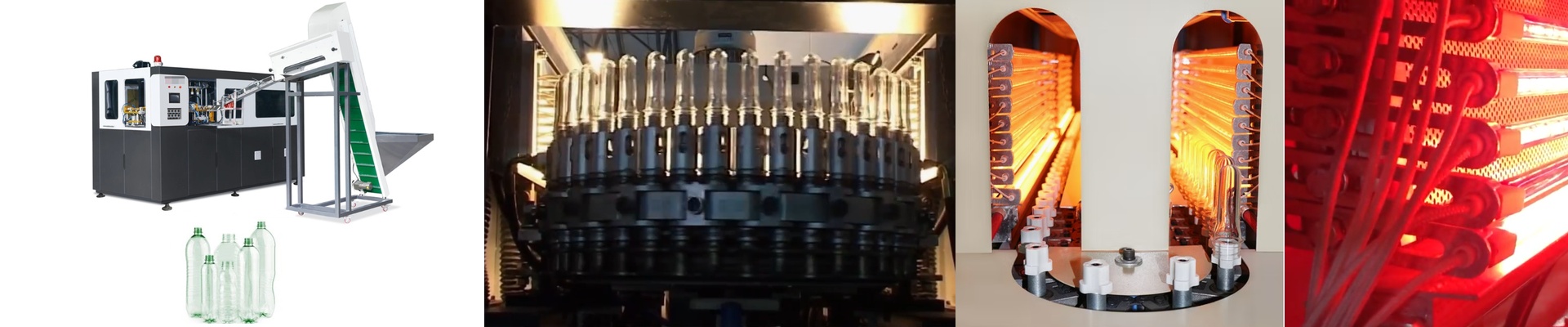
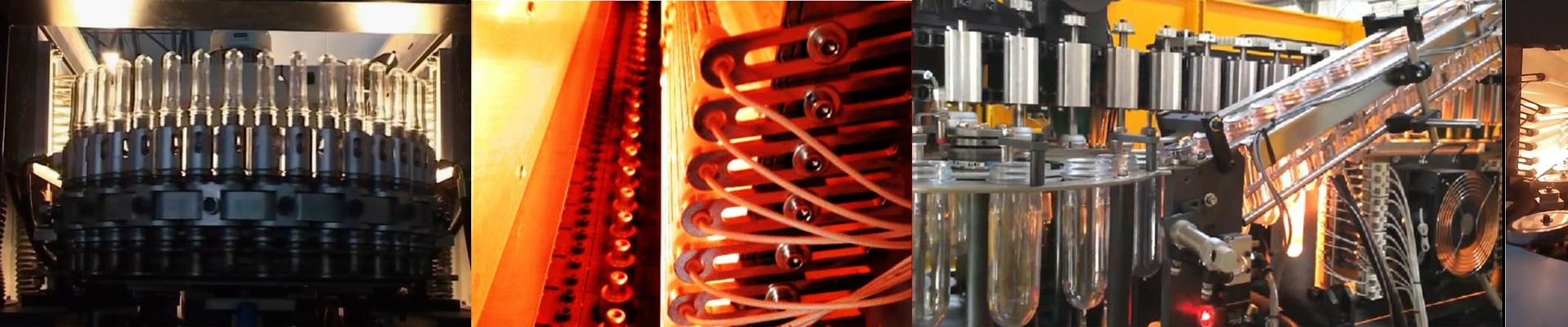
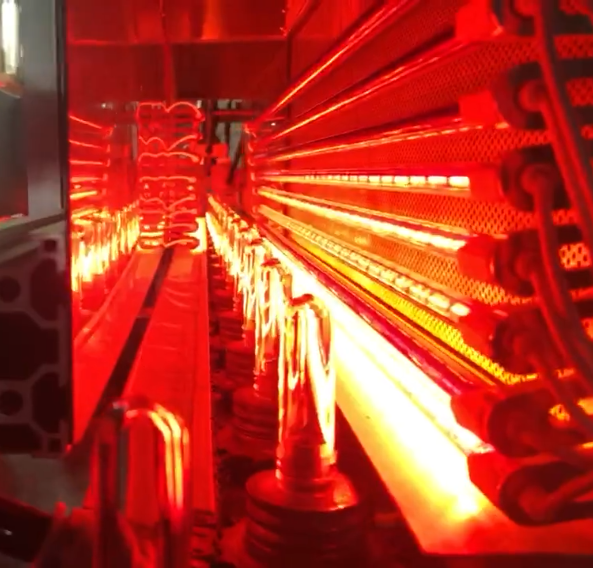
If you’ve spent any time running high-speed PET blow molding, you know the headache. You’re pushing for speed, but the preform just won’t cooperate. The outside gets scorched, but the thick parts stay cold. Then you get those uneven walls or, worse, a total structural fail. It’s frustrating. We’ve been there. That’s why we built our replacement lamps—specifically to stop that “cold core” problem in Husky HyPET setups. The secret is in how the heat moves. Most standard lamps just blast the surface. It’s like trying to thaw a frozen steak with a blowtorch; the outside burns before the middle even wakes up. We did things differently. We shifted the light toward the shortwave infrared range. Instead of sitting on the surface, the energy actually dives deep into the plastic. It hits the glass transition temperature evenly, all the way through. No guesswork, just consistent heat. They just fit. Nobody wants to spend three hours fighting with alignment in the oven. These are drop-in replacements. We matched the physical footprint of the original SMI lamps exactly, so they slide right in. We also used high-purity quartz glass. Why? Because rapid cycling is brutal on materials. This glass can take the thermal shock without cracking. And the power? We kept it tight. High-speed lines have those annoying voltage swings that make lamps flicker or dip. Our lamps handle that stress, keeping your wattage stable and your cycle times locked in. If your power supply is a bit weird or custom, just let us know. We’ll spec the filament to match your exact voltage. Real talk: The shop-floor side of things. Here is the thing: when you push more energy into a preform, the oven gets hotter. It’s just physics. You have to keep an eye on your cooling blowers. If they’re clogged with dust or the airflow is blocked, you’re going to scorch the PET, even with better penetration. Keep those blowers clean. One last detail: we reinforced the end-caps. We got tired of seeing lamps burn out at the contact points. By toughening those up, you spend less time swapping bulbs and more time actually running your line.