Can a simple lamp swap actually speed up your Nissei ASB?
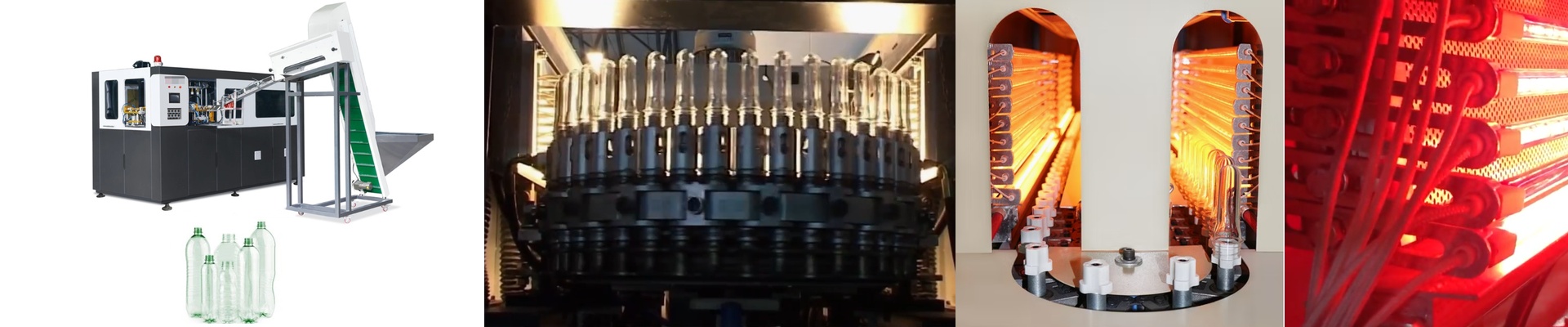
If you’re running an older Nissei ASB, you’ve probably noticed things slowing down. The cycle speed just isn’t what it used to be. A lot of shop owners assume the machine is just getting old and it’s time to drop a huge chunk of change on a new one to hit those bottle-per-hour targets. But usually, that’s not the real problem. The issue is almost always that the heat isn’t getting deep enough into the preform. Here’s the thing: you don’t need a new machine. You might just need better lamps. Swapping out those tired old bulbs for high-density infrared quartz tubes can give your throughput a serious boost without the headache of a full overhaul.
Let’s talk heat
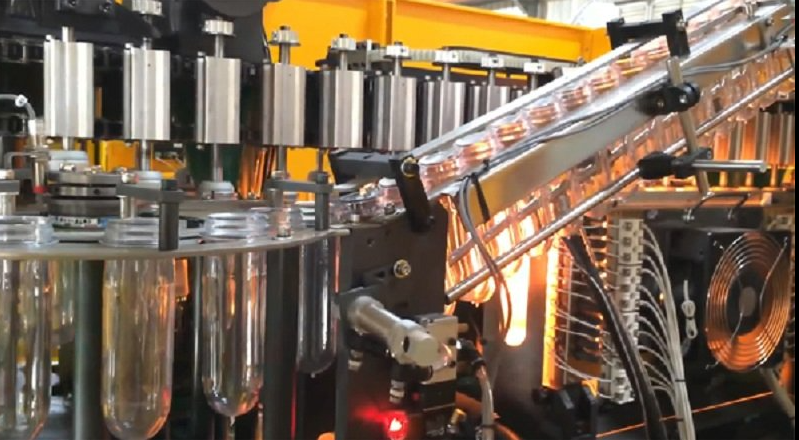
It all comes down to how fast that PET preform hits its melting point. We lean toward short-wave infrared because it punches through the plastic wall way faster than the long-wave stuff. If you put a lamp with higher wattage into the same space, you get a much stronger heat flux. And when the heat is more intense, you don’t have to let the preform sit there as long. You shave off time. It’s that simple.
The gear inside
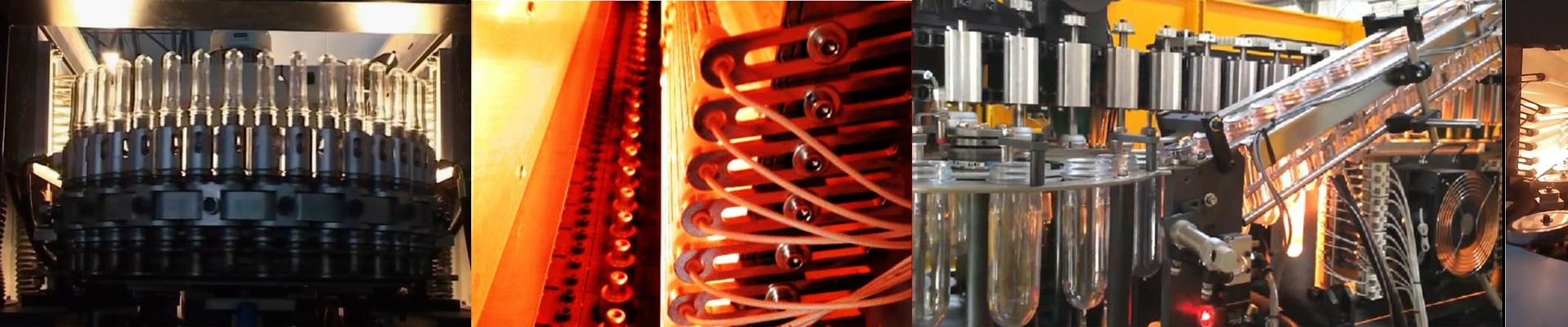
We use heavy-wall quartz glass for a reason. High heat makes cheap tubes bow and warp. These stay straight. We also use R7s or SK15 connectors so they actually fit tight and stay put. Plus, we add halogen gas into the mix. This stops the tungsten filament from evaporating and clouding up the glass. Why does that matter? Because a clear tube lets the energy fly straight at the preform. If the glass is cloudy, the lamp just ends up heating itself, which is a total waste of power.
The catch (because there’s always one)
Now, you can’t just crank up the power and call it a day. There’s a trade-off. If you drop in high-wattage lamps to speed things up, your cooling fans are going to have to work a lot harder. You can’t just ignore the ventilation. If the oven gets too hot inside, the neck of your preform will overheat. Then you’re looking at deformed bottles and a lot of wasted plastic. Just make sure your air-cooling can keep up with your new wattage, and you’ll have a smooth, stable process.