Making IR Lamps That Actually Fit Your PET Blow Molding Line
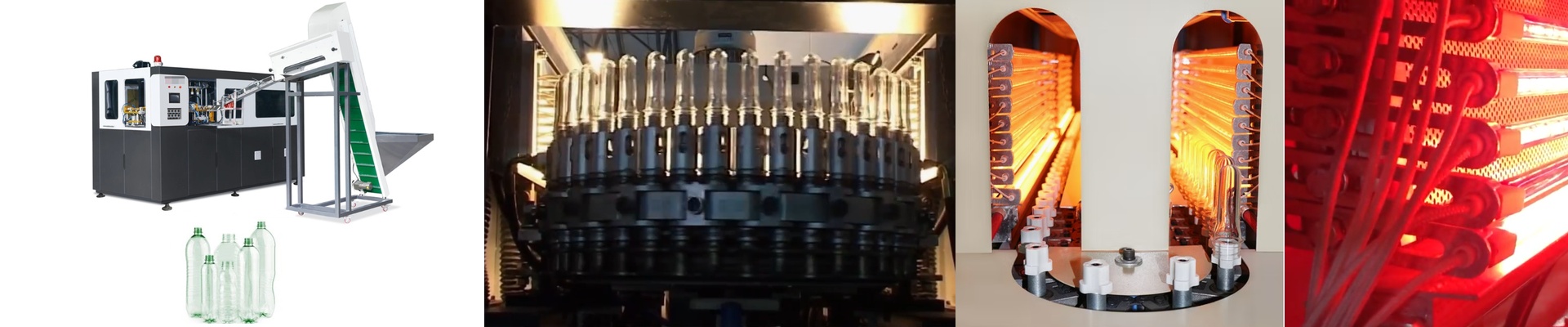
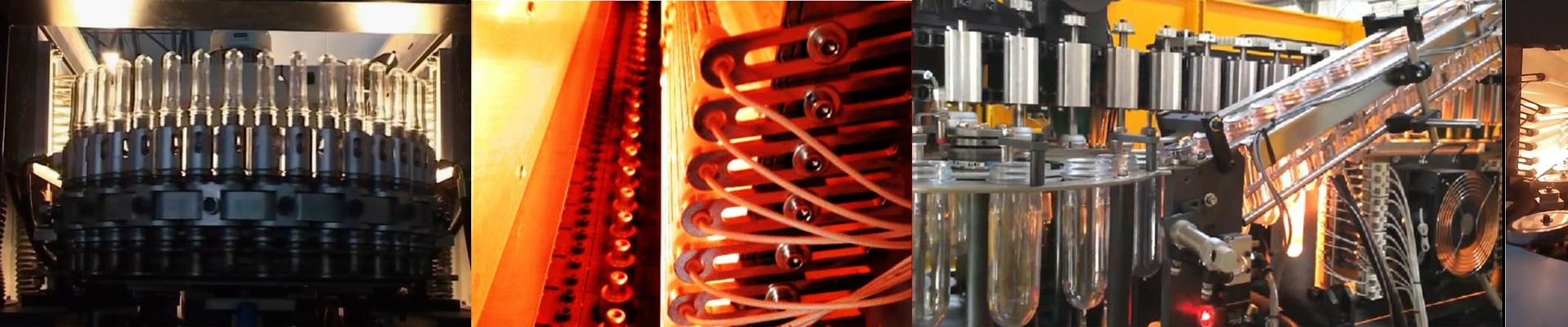
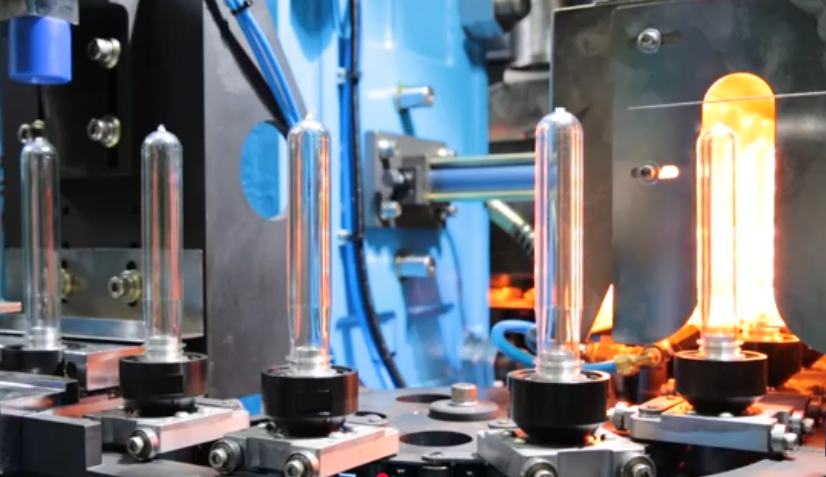
If you’ve ever spent a shift fighting with a blow molding line, you know that the heating stage is where everything happens. If the IR lamps aren’t hitting the preforms just right, you’re looking at a mess of uneven plastic and wasted material. We wanted to fix that. We built our replacement lamps to work with Sidel and other big global brands, but we didn’t overcomplicate it. We just focused on the stuff that actually keeps the line moving: the power, the size, and the heat. The nitty-gritty on the specs Here’s the thing about voltage. If your lamp is off by even 5%, you’re asking for trouble. It’ll either burn out way too fast or it just won’t get the plastic hot enough. That’s why we stick to the standard 230V or 400V rails that most industrial ovens already use. We also use high-purity quartz glass. Why? Because when you’re cranking up the heat to melt PET, cheap glass warps. Ours doesn’t. It stays straight and steady, even when things get intense. Plugging them in Nobody wants to spend an hour hunting for a custom adapter when the line is down. We use R7s and SK15 connectors because they’re the old reliable workhorses of the industry. You just pop them in and get back to work. Inside the tube, we use a halogen cycle. It sounds technical, but it basically just stops the tungsten filament from evaporating and gunking up the glass. It keeps the light clear. Plus, we use specific coatings to make sure the heat actually sinks into the plastic instead of just scorching the surface. Real talk: The shop floor Look, these lamps are tough, but they aren’t magic. They put out a massive amount of heat. If your oven’s cooling fans are clogged with dust or just plain broken, the end caps will overheat and the lamp will pop. It doesn’t matter how good the lamp is—airflow is everything. Keep those fans clean. And because we know how it feels to have a machine sitting idle while you wait weeks for a “proprietary” part from a big brand, we keep these in stock. You get your parts, you swap them out, and you get your production back on track. Simple.