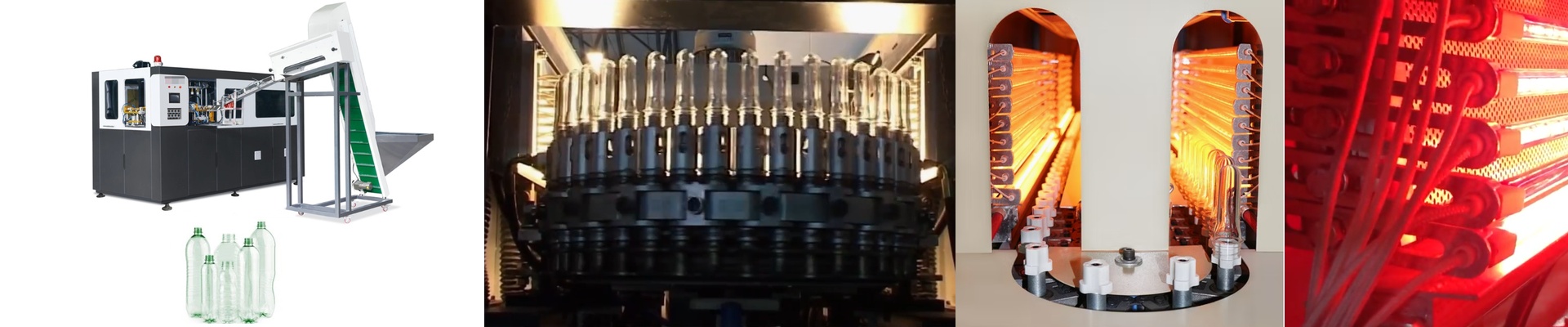
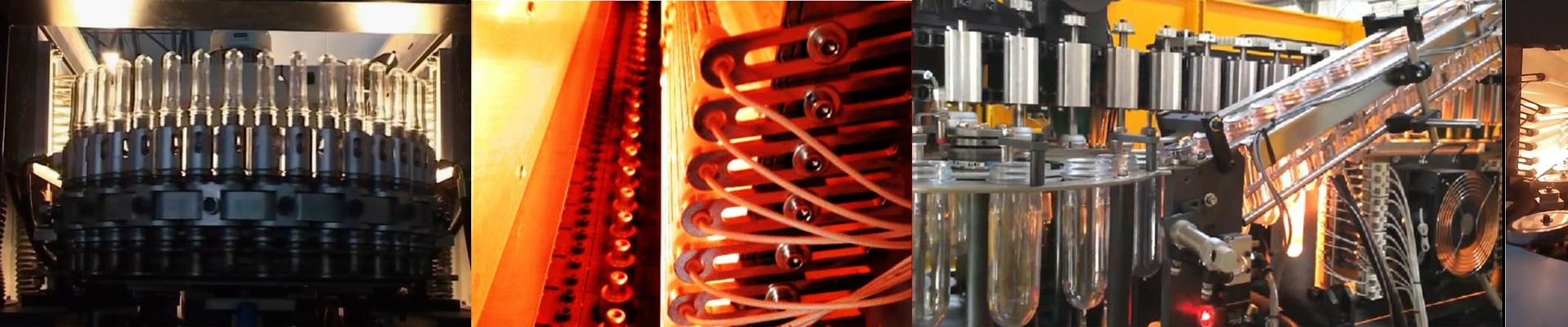
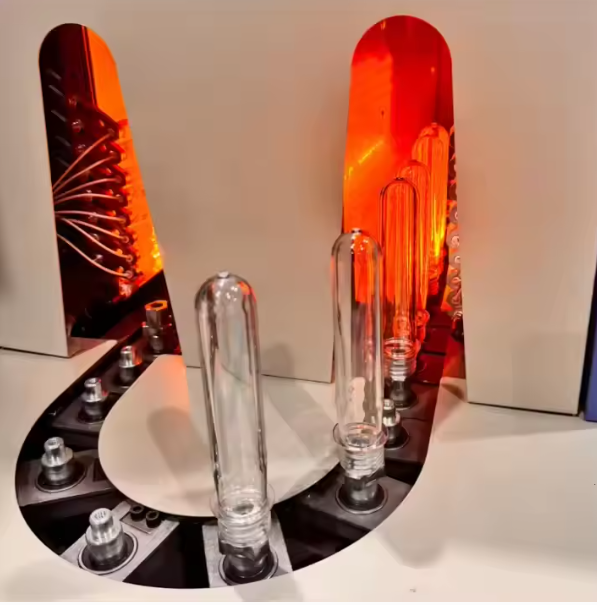
Out on the plant floor, nothing kills a blow molder’s rhythm faster than an uneven preform temperature profile. One minute you’re running, the next you’re staring at off-spec bottles—thin walls, stress marks, crystallized necks. When that happens, the heating tunnel is always the first place to look. If the lamp output starts drifting, you can feel your cycle time and yield slipping away.
What matters, technically
We build our blow molding heater lamps as short-wave infrared quartz emitters, sized to fit the tight geometry of preform heating tunnels. Each lamp is specified by length, diameter, wattage density, and terminal type—usually R7s—so the power profile matches the cavity and the reflector geometry. The filament layout and quartz wall thickness are chosen for rapid response and stable output over thousands of hours, so you get repeatable heating without constantly chasing setpoints.
Why it holds up in real production
This lamp is engineered to drop straight into mainstream blow molding platforms, including Sidel Matrix, Krones Contiform, and Husky HyPET. Matching the OEM lamp envelope, voltage, and connector keeps the replacement clean, and the spectral output stays aligned with PET absorption for even heating across the preform wall. In practice, that translates to fewer temperature swings, more consistent stretch behavior, and fewer rejects. We’ve seen units run 5,000+ hours with less than 5% output drop, which keeps line speed stable and maintenance windows predictable.
The details that bite you if you ignore them
Installation is straightforward, but the details still matter. Confirm the exact lamp length and terminal orientation against your holder—get that wrong and you’ll end up with contact pressure issues. And check the reflector: if it’s worn or damaged, you’ll change the heating pattern more than the lamp itself will. Also, verify voltage and cooling airflow. These emitters need the right conditions to keep the quartz hot and the output stable. Undersized airflow will shorten service life fast.