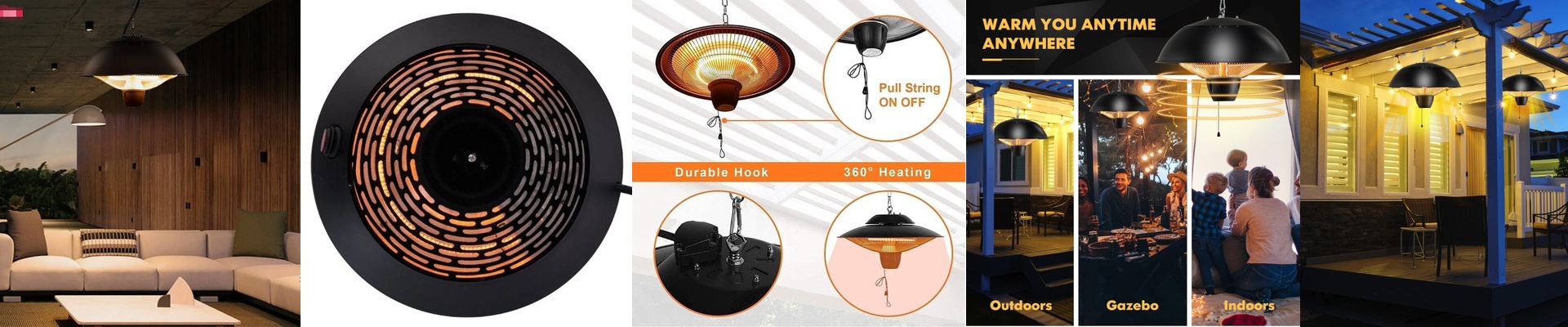
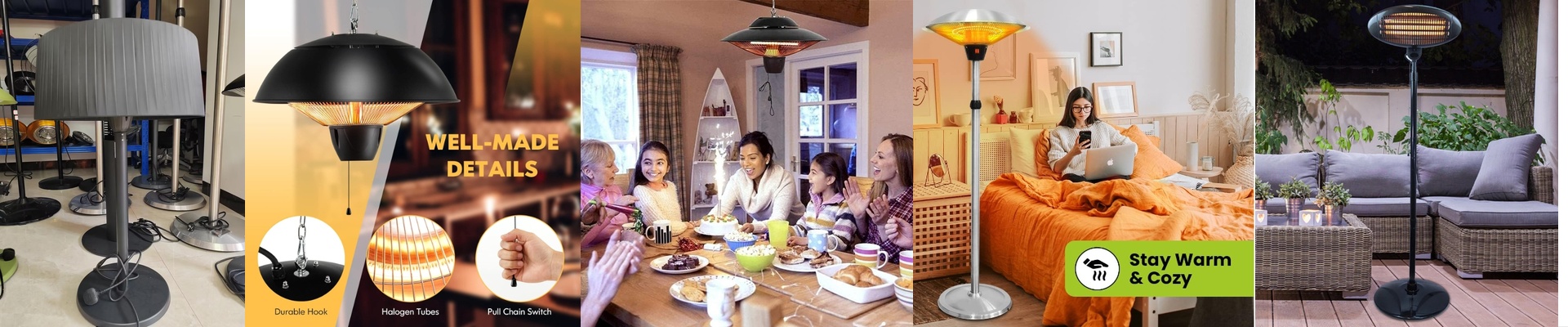
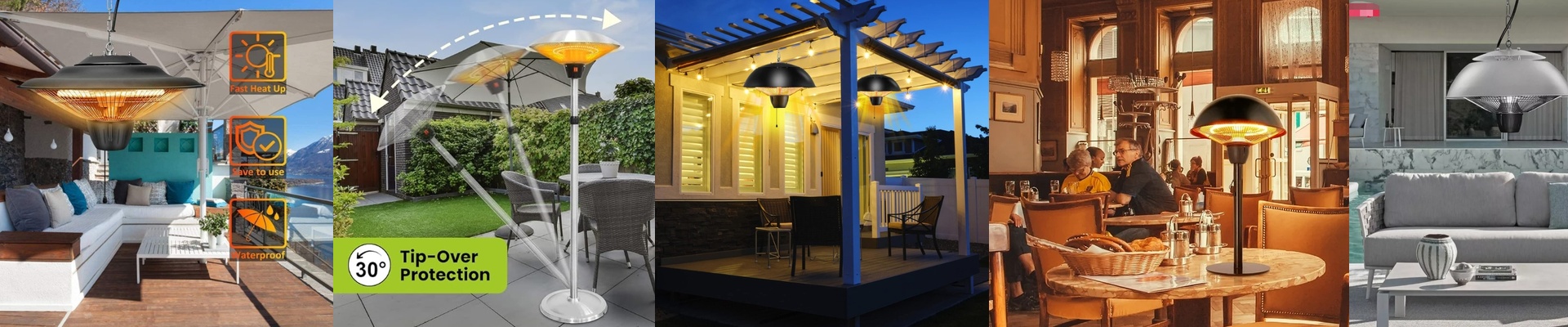
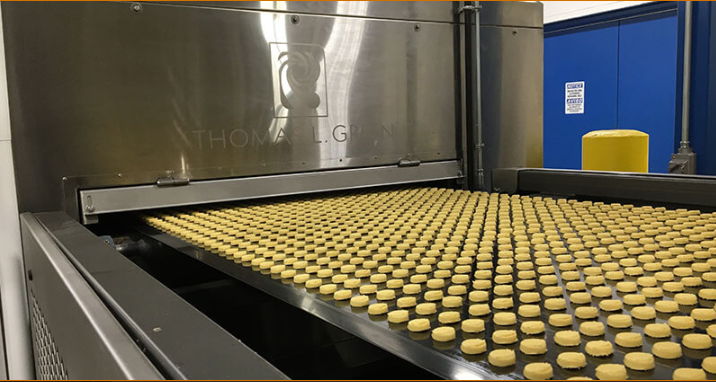
When the dinner rush hits, your heat bridge is supposed to keep plates moving—not sit there waiting on the lamp. A slow warm-up or uneven heat ripples through the line: cold spots on the crust, edges that overcook, and tickets piling up while the oven chases temperature. That’s exactly when a solid replacement heat lamp earns its keep.
What matters technically
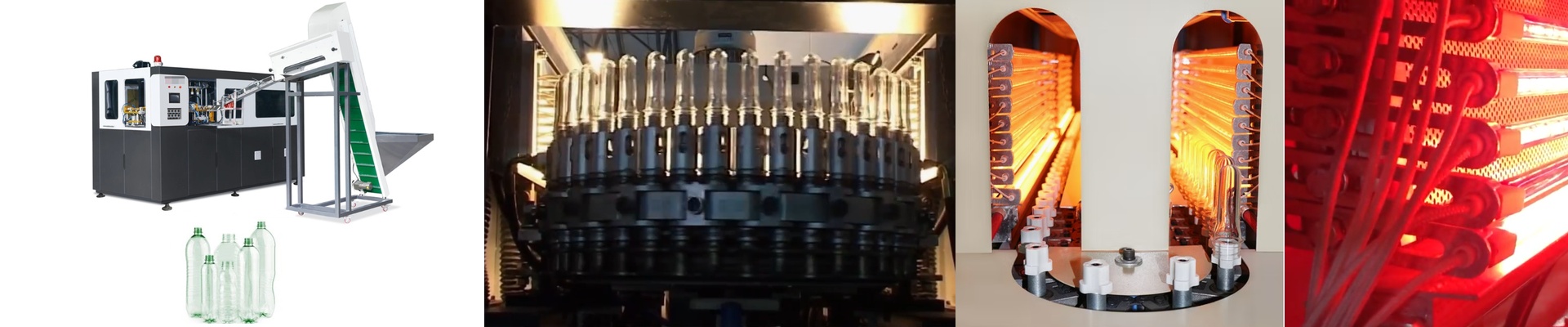
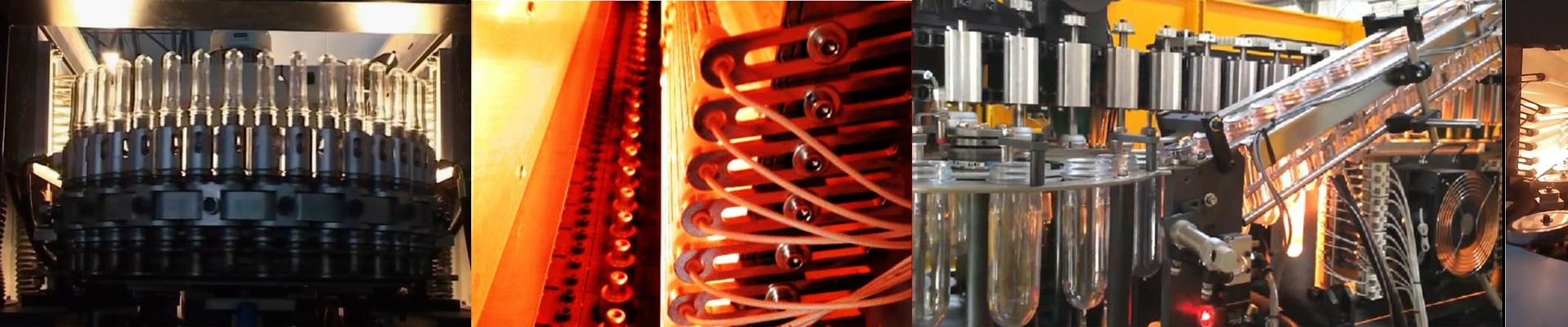
We built this replacement heat lamp for the heat bridge environment, using a short-wave infrared (IR) emitter that throws intense, directional radiant heat. It comes up fast—usually hitting target output within seconds—so the bridge snaps back to holding temp after door cycles. The quartz envelope stands up to repeated thermal shock, and the filament geometry inside keeps output steady across the beam. Specs are picked for commercial reliability: 240V or 120V depending on your setup, a compact form that drops into standard mounting brackets, and a terminal block connection that stays tight under vibration and repeated service.
Why it works in a heat bridge
In a restaurant heat bridge, the lamp isn’t just “warming food.” It’s protecting texture and timing. With this lamp, you cut the preheat lag that holds up the first plate, and you keep the baking chamber more uniform, so every slice or pastry gets the same radiant profile. That means more consistent crust color, better caramelization, and fewer rejects. The fast response also shortens idle stretches, which helps control energy use per service and keeps the workflow predictable when the rush is heavy.
The practical details
Installation is straightforward, but match the lamp to your socket and mounting hardware, and confirm the rated wattage lines up with the heat bridge’s design. **Infrared lamps run hot at the surface.**Keep clearances as specified, and make sure the team treats that area as a high-temperature zone. For the longest life, keep the lamp clean and dry—oil or moisture on the envelope causes uneven heating and shortens service life.