Stop Heating the Air: A Better Way to Handle Your Bakery’s Heat Bridges
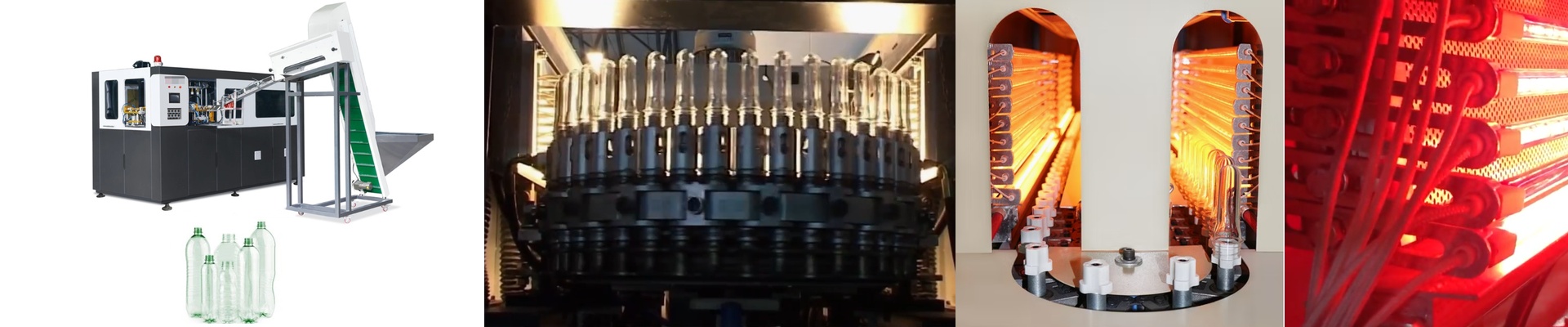
If you’re still using those old-school resistance heating wires in your heat bridges, you’re basically paying to heat the air around your bread. It’s a slow process. The wires get hot, the air gets hot, and then—finally—the dough starts to cook. It’s a massive waste of energy. Switching to infrared (IR) heaters changes the whole game. Instead of waiting on the air, IR sends electromagnetic waves straight into the dough. It’s direct. It’s fast. It just makes more sense. Cutting the Power Bill Those old wires have a lot of “thermal inertia.” That’s just a fancy way of saying they take forever to warm up and stay hot long after you’ve flipped the switch. Our IR lamps aren’t like that. They hit your target temperature almost instantly. No more long, expensive pre-heat cycles that bleed money. Since the heat goes straight into the product, you can usually dial back the overall power draw without losing that perfect crust. You stop paying to heat the room and start paying to bake the bread. Getting It Installed We designed these lamps to be drop-in replacements. They fit right into the footprints you already have. We use high-purity quartz because it lets the IR waves through without any interference. Depending on what you’re baking, we can set you up with shortwave or medium-wave output. Shortwave digs deep into the dough for a fast core bake, while medium-wave is your go-to for that golden-brown surface. Just a heads-up: double-check your voltage and wattage before you swap them out. If you’re moving to a higher-density emitter, make sure your wiring and controllers can handle the load. The Catch (And How to Fix It) Nothing is perfect. While IR is way faster, the lamps are a bit pickier. Flour dust and grease love to build up on those quartz tubes. If that happens, the IR waves get blocked, you get hot spots, and the tubes can burn out early. The fix is simple: keep them clean. Set up a quick, regular cleaning schedule, and your energy savings will stay consistent. It’s a small trade-off for a much faster, cheaper bake.