How to actually heat a gazebo (without wasting your money)
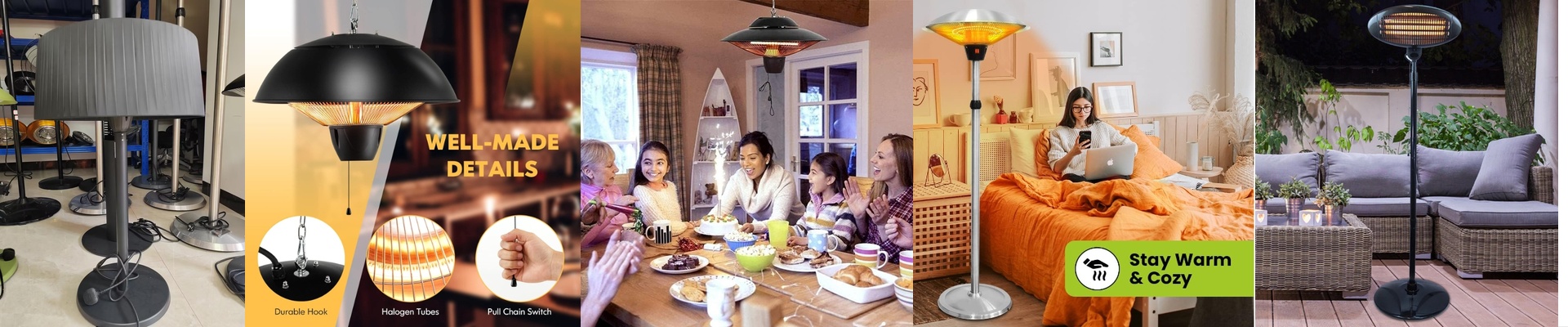
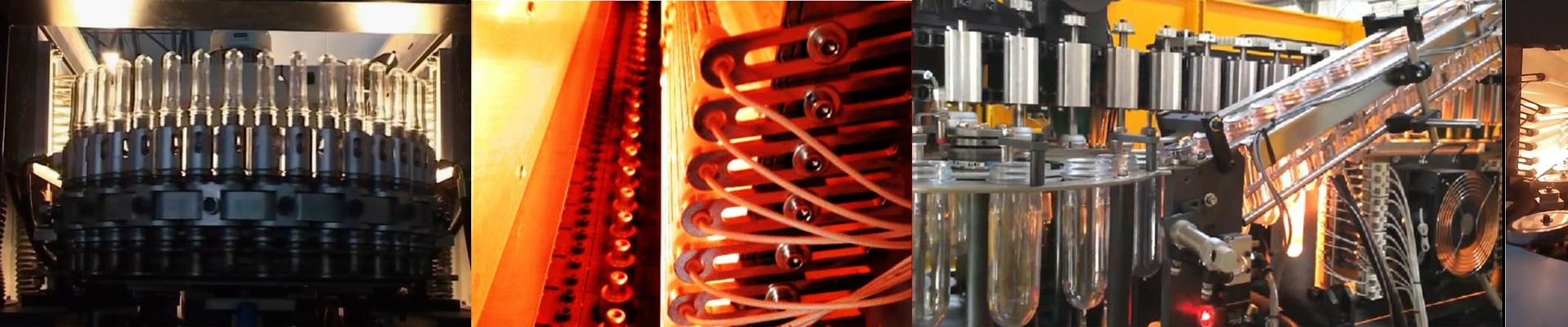
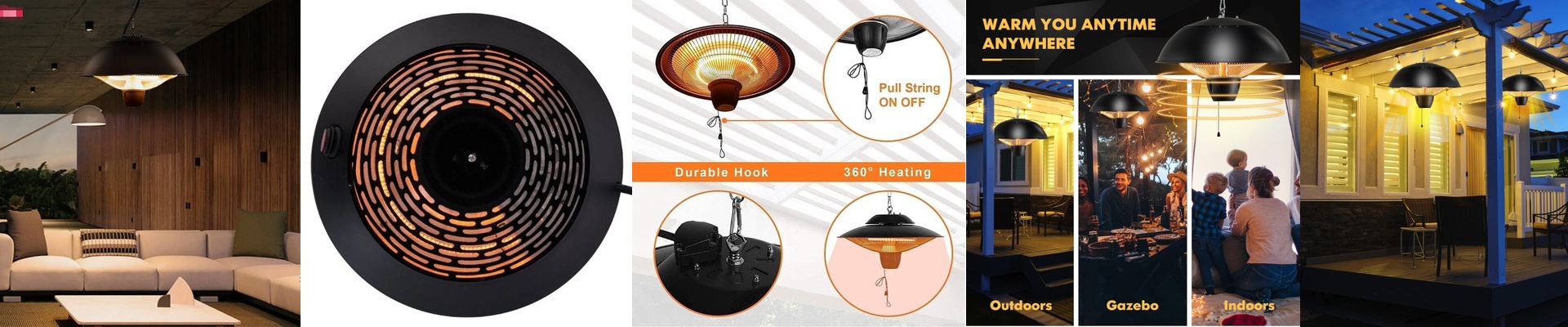
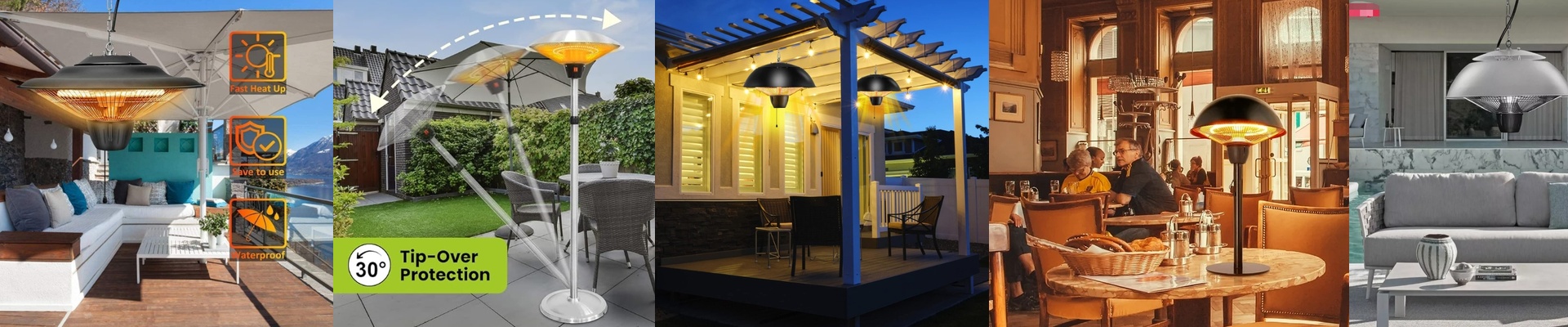
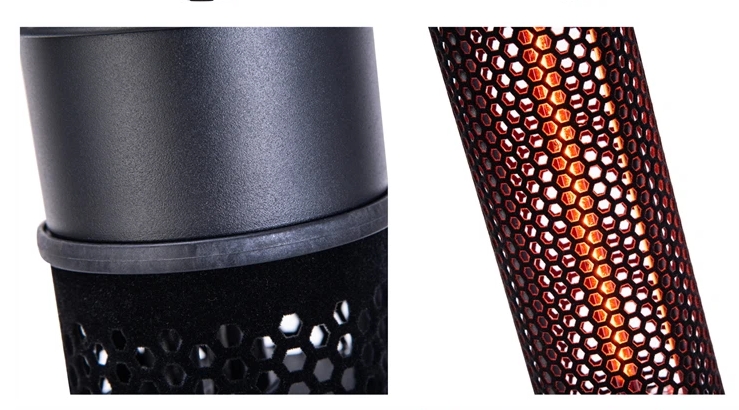
If you’ve ever tried to heat a gazebo or a changing area with a standard space heater, you already know the problem. You turn it on, the heater works its heart out, and the heat just… floats away. It’s like trying to fill a bucket with a hole in the bottom. That’s why we build our 1500W ceiling heaters differently. Instead of trying to warm up the air—which is basically impossible when there’s a breeze—we use short-wave infrared. Think of it like the sun. You can feel the sun’s warmth on your skin even if the air around you is freezing. Our heaters do the exact same thing. They skip the air entirely and heat you and your furniture directly. The “Instant Warmth” Factor The 1500W punch is there for a reason. When you’re standing in a drafty outdoor space, you need enough power to fight off that wind chill. Because of how we’ve tuned the radiation, the heat travels in a straight line from the ceiling to the floor. There’s no “waiting for the room to warm up.” You flip the switch, and you feel it immediately. The Nitty-Gritty Stuff We designed these specifically to live overhead. We use quartz glass to protect the tungsten filaments, which keeps the heat focused downward where you actually need it. A quick heads-up on the electrics: 1500W is a decent pull. If you’re installing this in an older building, you’ll probably want a dedicated circuit. You don’t want to be shivering in the dark because you tripped a breaker. We also use high-temp wiring throughout, so you don’t have to worry about insulation melting near the element. A Few Tips for the Best Setup This is great for turning a freezing changing room into a cozy spot in seconds. But there is one catch: distance matters. Short-wave infrared is powerful, but it has a limit. If you mount the heater too high up in a vaulted gazebo ceiling, the heat loses its punch before it reaches you. If your ceiling is higher than 3 meters, don’t try to “power through” with just one unit. You’ll end up with a few hot spots and a lot of cold patches. In those cases, it’s much better to install a few units to keep the warmth consistent across the whole area.