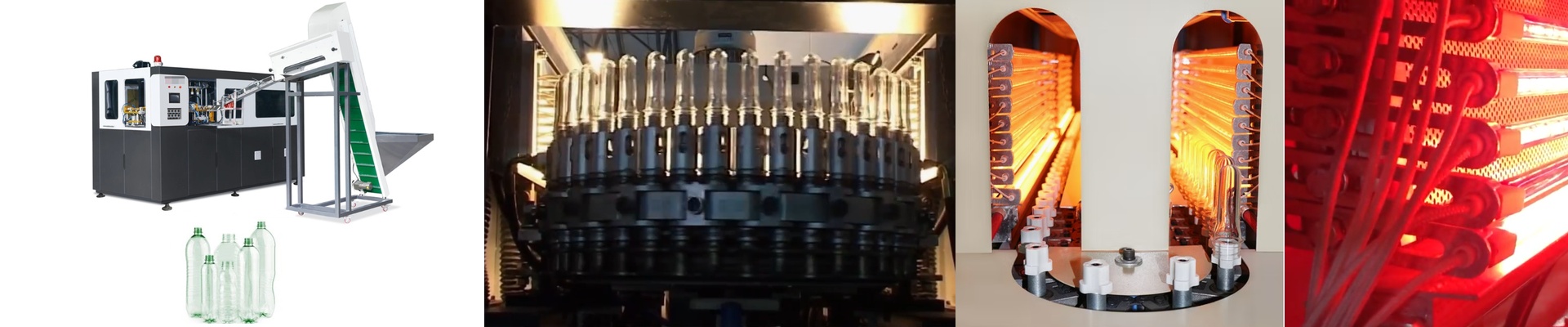
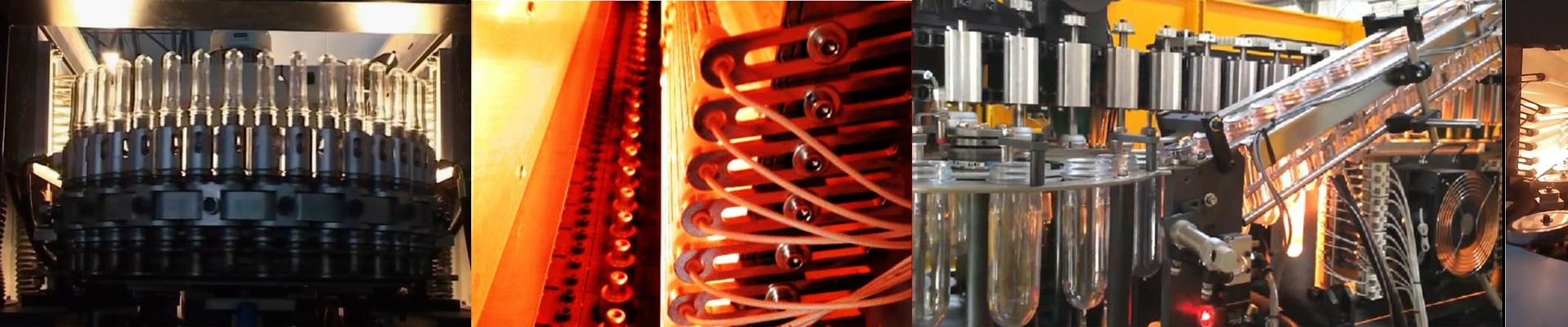
Can a simple bulb swap actually speed up your blow-molding?
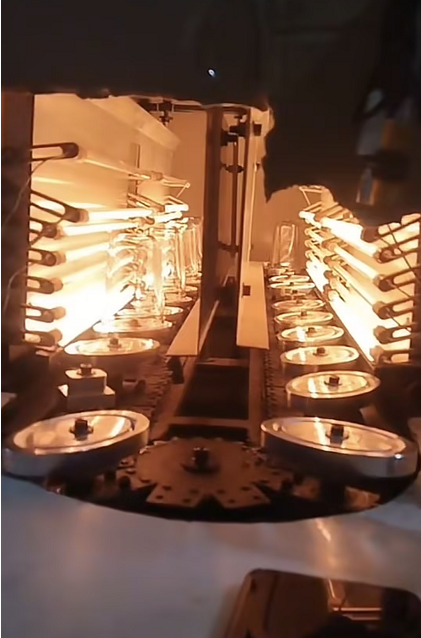
If you’re running older, mid-tier blow-molding machines, you’ve probably noticed the cycle speed starts to crawl as the heating elements get old. It’s frustrating. You start thinking you need a whole new machine, but honestly? Most of the time, the bottleneck is just the heat transfer rate of your infrared lamps. Here’s the thing about heat density. To move faster, you’ve got to get that PET preform up to blowing temperature quickly—but without scorching the surface. That’s where high-wattage shortwave infrared tubes come in. By packing more power into every millimeter, you cut down the time the preform has to sit in the oven. For example, if you drop in a 2500W tube over a 300mm length, you get this intense, immediate hit of thermal radiation. It lets you crank up the machine speed. But a word of warning: that extra heat puts a lot of stress on your reflectors. If they’re pitted or oxidized, you’re basically throwing half your energy away. The nitty-gritty on the gear. We use heavy-wall quartz glass because it can take the thermal shock without cracking. Most of our bulbs use R7s or Sk15 connectors. They aren’t just easy to plug in; they keep the electrical contact tight so you don’t get arcing under high current. We also have coated options. These are great because they shift the emission spectrum, focusing the energy directly on the PET rather than heating up the air around it. It keeps the oven ambient temperature lower, which means your preforms are less likely to deform. A few things to keep in mind. Swapping to high-output bulbs is a simple “drop-in” fix, but it isn’t magic. Plus, when you bump up the wattage, you need to make sure your wiring and power supply can actually handle the extra load. You’ll also want to tweak your cooling blowers. If you’re pushing more heat into the preform, you need a rock-solid cooling strategy to keep the neck stable. It’s a small change, but it makes a massive difference in how your floor actually runs.