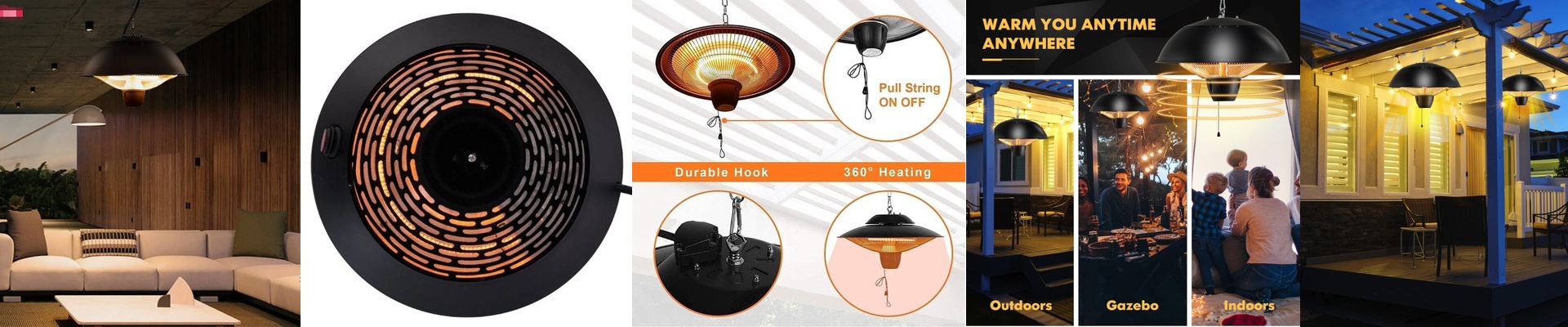
Stop Losing Money to the Winter Chill
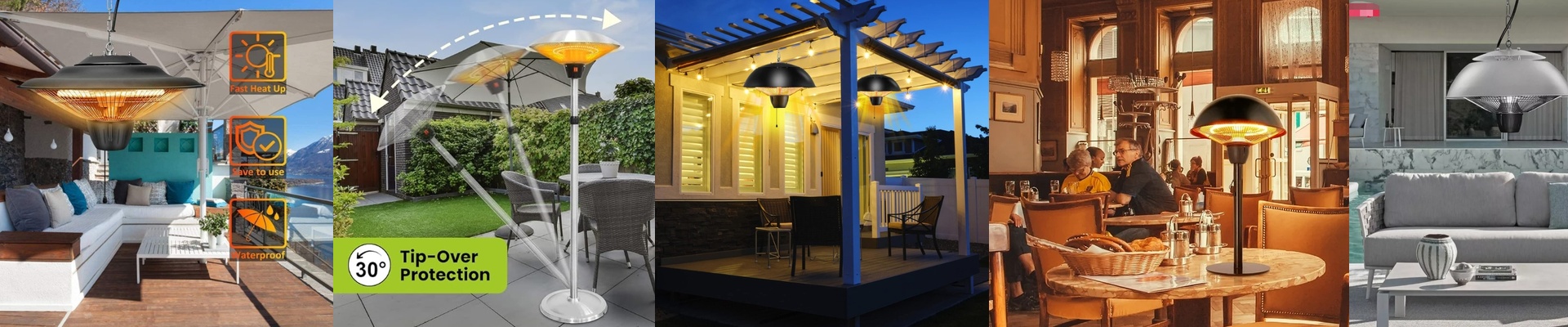
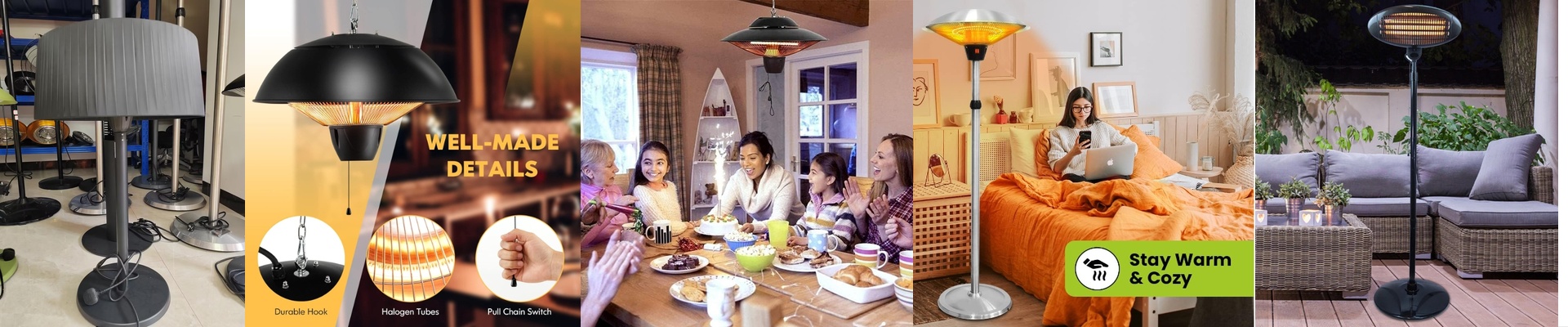
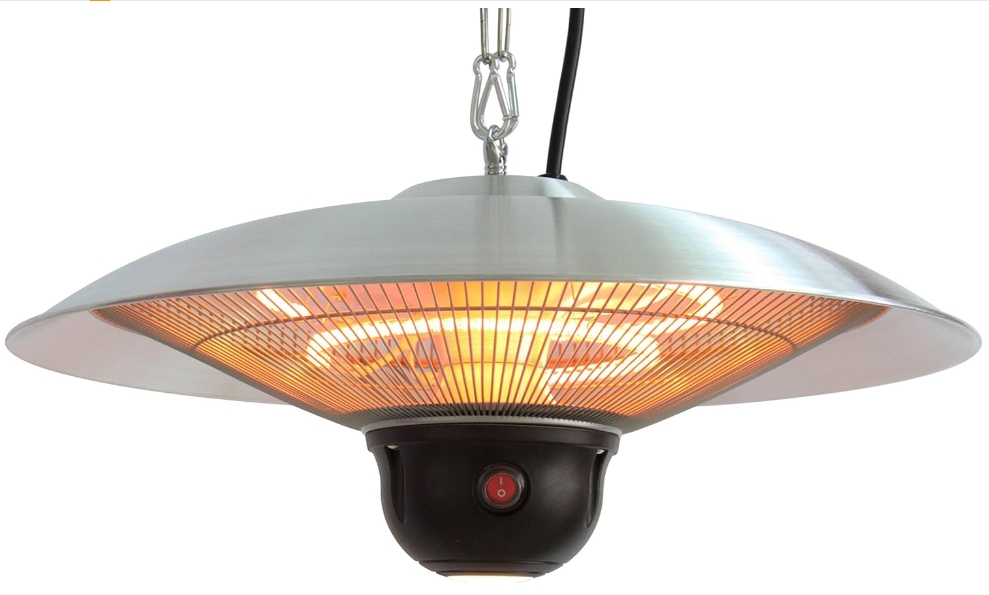
If you run an open-air restaurant, you know the feeling. It’s a beautiful November evening, but the second a cold breeze hits your guests, they’re gone. They don’t want to shiver through their appetizers, and you’re left with empty tables and lost revenue. Most people try to fix this with those big forced-air heaters. The problem? They just heat the air. And in an open space, that warm air just floats away or gets blown right off the patio. You’re basically paying to heat the sidewalk. That’s why we use ceiling-mounted infrared heaters. Instead of fighting the wind, these send out waves that warm the people and the furniture directly. It feels like sitting in the sun on a crisp day. The “Heat Umbrella” Effect We set these up to create what I call a heat umbrella right over the guest. Since the heat doesn’t rely on the air to move, it cuts right through the cold. When your guests actually feel warm—not just “less cold”—they relax. They linger. They order that second bottle of wine or a dessert they weren’t planning on. It’s a simple shift in comfort that makes a huge difference in your nightly take. A Quick Warning on Power Before you go all-in, we need to talk about your electrical panel. The higher your ceilings, the more power you’ll need to make sure the heat actually reaches the table. These units pull a lot of current. If you try to plug ten or twenty of these into an old system, you’re going to trip your breakers right in the middle of the Friday night rush. Not a great look. Check your wiring first. If it’s outdated, you’ll want an upgrade before you install the heaters. It’s a bit of a pain upfront, but it beats a blackout during dinner service. Turning a Seasonal Space into a Money-Maker The real win here is that your patio stops being a “summer-only” thing. Instead of shutting down half your seating in November, you keep those tables full all year. We’ve seen a pretty clear pattern: when the heat is consistent, the beverage and dessert sales climb. You’re taking a space that used to be a liability in winter and turning it into a steady stream of income.