Stop Letting Your Patio Go to Waste in Winter
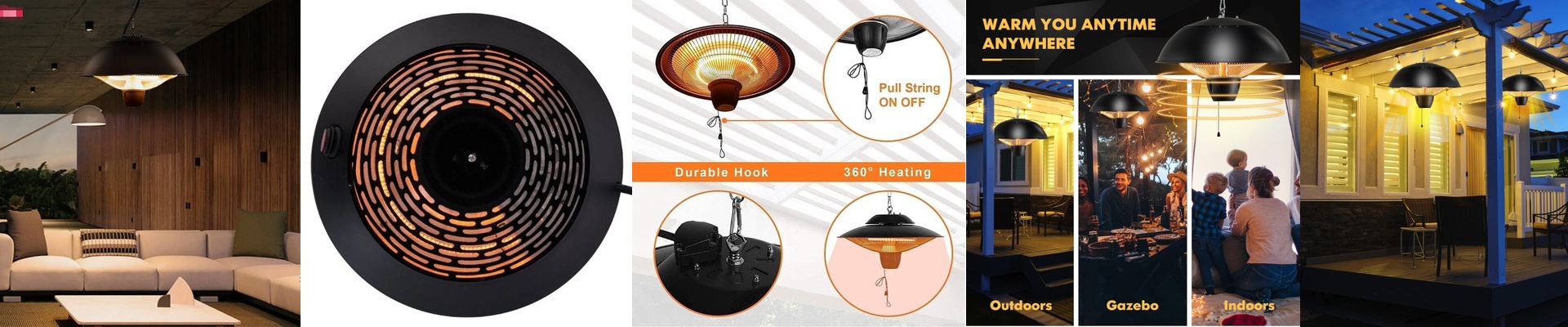
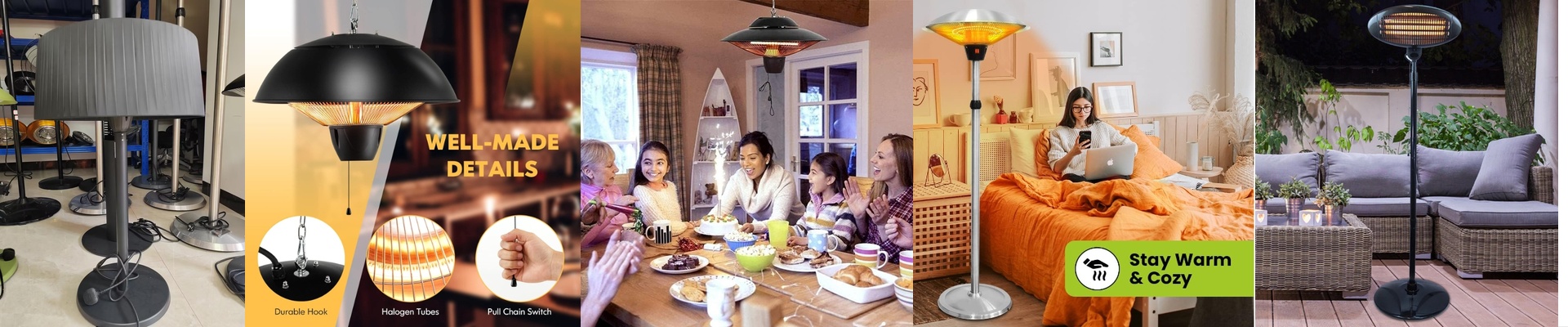
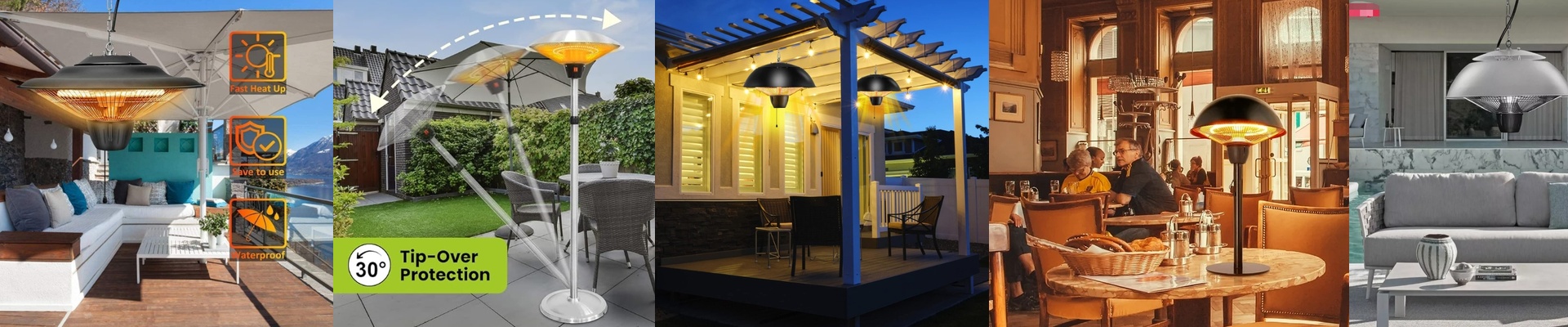
Most outdoor dining areas just… die when the temperature drops. You’ve got a beautiful pergola, but it becomes a ghost town for four months of the year. We fix that with waterproof infrared heaters. Here is the secret: don’t try to heat the air. If you use a forced-air system, you’re basically trying to heat the wind, and the wind always wins. Infrared is different. It beams heat directly onto your guests and their tables. You don’t even have to enclose the space to make it feel cozy.
How it actually works
We use heaters with high IP ratings, which is just a fancy way of saying they won’t fry the first time it rains. The tech uses short-wave infrared. These waves travel through the air without losing their punch. The moment they hit something—like a guest’s wool coat or a wooden table—they turn into warmth. It’s instant. But you have to get the power right. If your ceiling is high, you’ll need more kick. Usually, a 1500W to 2500W unit is plenty to keep people happy when it’s 5°C outside. And please, don’t skimp on the spacing. Put a unit every 2 to 3 meters. There is nothing worse than a guest stepping two feet to the left and suddenly feeling a freezing draft. Those “cold spots” kill the mood.
The “Gotchas” of Installation
A quick heads-up on the electrics: these things are power-hungry. You can’t just plug five of them into a standard wall outlet or you’ll be staring at a tripped breaker in five minutes. You need a dedicated circuit and some heavy-duty cabling to make sure the power stays steady. Then there’s the height. High-output lamps get incredibly hot right at the source. If you mount them too low, you’ll end up roasting your guests’ heads while their toes are still freezing. Keep them at least 2.5 meters up. It spreads the heat more evenly.
The Bottom Line
It’s simple math. When people are warm, they linger. They order that extra bottle of wine or a dessert they weren’t planning on. By fixing the temperature, you stop worrying about the weather and start filling seats during the off-season. It turns a seasonal headache into a steady stream of revenue.