Stop Letting Your Patio Go to Waste This Winter
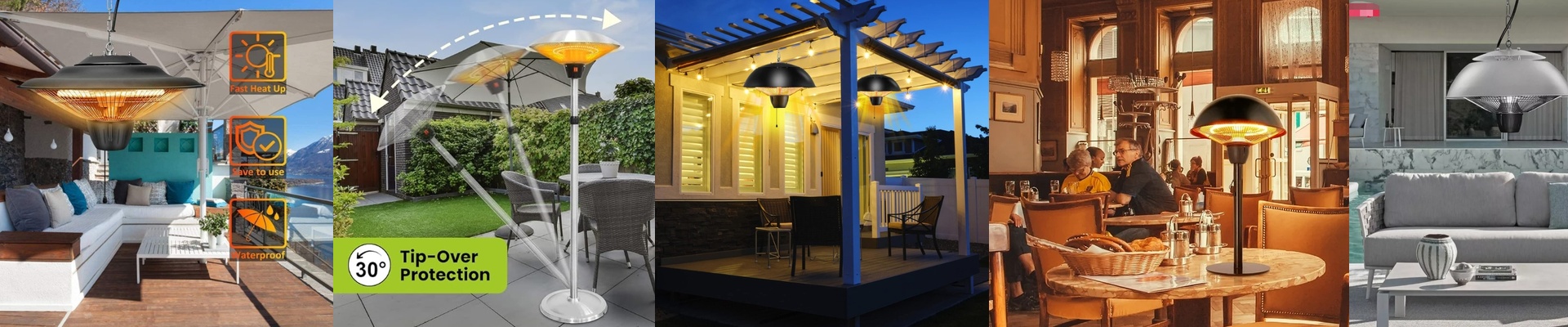
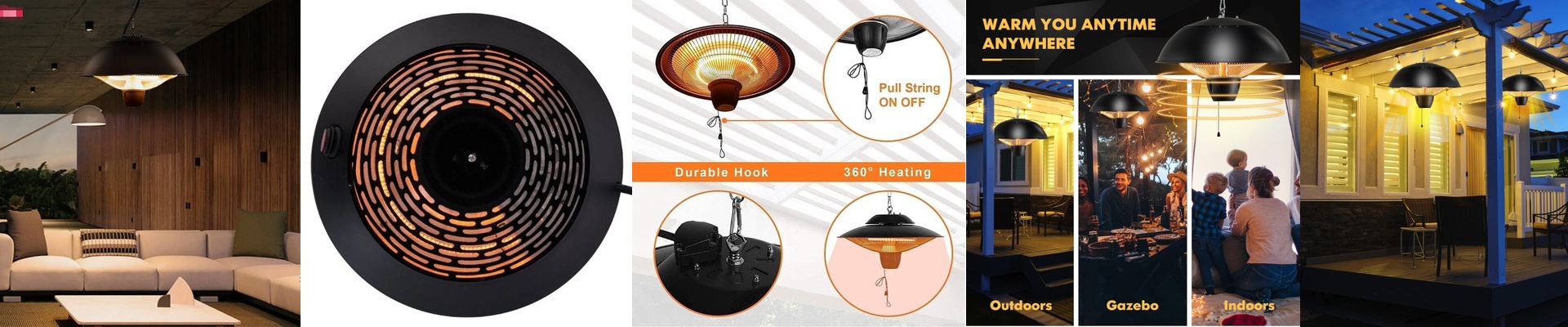
It’s a classic problem. You’ve got a great outdoor space, but as soon as the temperature drops, those tables sit empty. Most people try those forced-air heaters, but in an open-air setting, they’re basically useless. You’re just trying to heat the wind. That’s where shortwave infrared comes in. Instead of fighting the air, these emitters send heat straight to your guests and their furniture. It feels like standing in a patch of sunlight on a crisp day. If you’ve got high ceilings, this is really the only way to go.
The Trick to High Ceilings
Here’s the thing: if your heaters are hanging more than 10 feet up, you can’t just use any old lamp. The heat tends to scatter before it ever reaches the ground. To fix that, we use high-density quartz elements. They create a concentrated beam of warmth that actually hits the skin. Plus, because it’s shortwave radiation, a breeze won’t blow it away. If you go with longwave heaters on a windy patio, your guests will still be shivering in their coats.
More Warmth, More Revenue
Cold weather kills your occupancy. Simple as that. But when you put a grid of these heaters overhead, your patio stops being a “seasonal” spot and becomes a year-round money maker. Think about it. When people are actually warm, they hang out longer. They don’t rush through their main course to get inside. They stay for that extra round of drinks, the dessert, and the coffee. You aren’t just buying some hardware; you’re basically adding more square footage to your restaurant without having to build a new room.
A Few Things to Watch Out For
Before you go all in, you’ve got to look at your electrical panel. These high-wattage arrays pull a lot of power. There is nothing worse than having your breakers trip right in the middle of a Friday night dinner rush. We usually suggest dedicated circuits for every four units just to be safe. And don’t just slap them on the ceiling—get the angles right. You don’t want one person roasting while the person sitting right next to them is freezing. A little bit of planning goes a long way here.