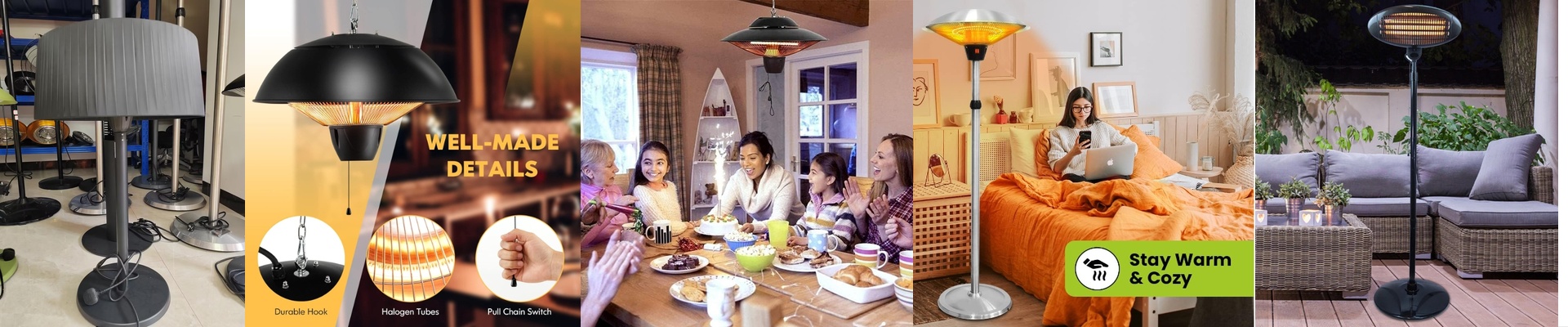


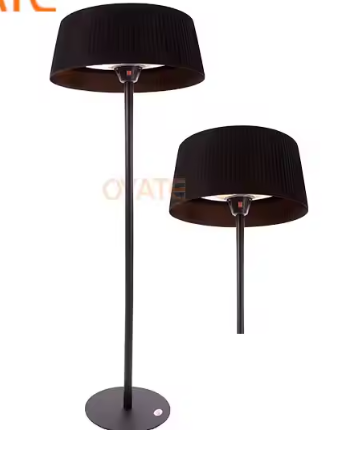
In a gallery, temperature is about more than comfort. It’s about preservation. When the air turns cold, the real threat isn’t chilly visitors—it’s the slow, quiet strain on canvas, pigment, and wood. Traditional forced-air heat stirs up dust, swings humidity, and pushes heat against surfaces. Infrared gazebo heaters take a different tack: they warm people and objects directly, leaving the air still and the collection untouched. What matters, technically Infrared gazebo heaters deliver radiant warmth through a focused element—usually a quartz tube or a carbon fiber filament—packed into a weather-ready housing that mounts to a wall or ceiling. The heat travels as electromagnetic energy, much like sunlight, so it doesn’t need air to carry it. In practice, that means skin and objects absorb warmth quickly, with no blowing air to kick up particulates. Many models run on standard electric circuits, offer adjustable output, and include a thermostat so the space holds a steady setpoint instead of swinging between too hot and too cold. For outdoor-adjacent galleries and covered walkways, a high IP rating keeps moisture and dust out of the internals, while a solid mount and guard keep the unit stable and safe around guests. Why it fits the space Galleries and museums need heat that knows where to stop. Infrared heating targets the occupied zone—where people stand, sit, and study—without driving convection currents that can dry or warp delicate materials. Since the warmth arrives directly, you can hold a stable microclimate near artwork without overheating the room. The payoff is consistent comfort with lower energy use, because you’re not heating empty air. Visitors feel it right away: a gentle, even warmth that invites longer viewing and a quieter space. Here are the practical details Radiant heat works best with a clear line of sight. Keep the heater’s path free of beams, shelves, or signage, and aim it toward seating and viewing areas rather than straight onto a single piece. And because radiant warmth heats surfaces, pick a unit with a protective guard and follow clearance requirements to prevent accidental contact. If you’re tying into an existing electric plan, confirm circuit capacity and wiring type to match the heater’s power draw—this keeps the system running reliably and safely, day after day.