Making Outdoor Heaters Actually Last
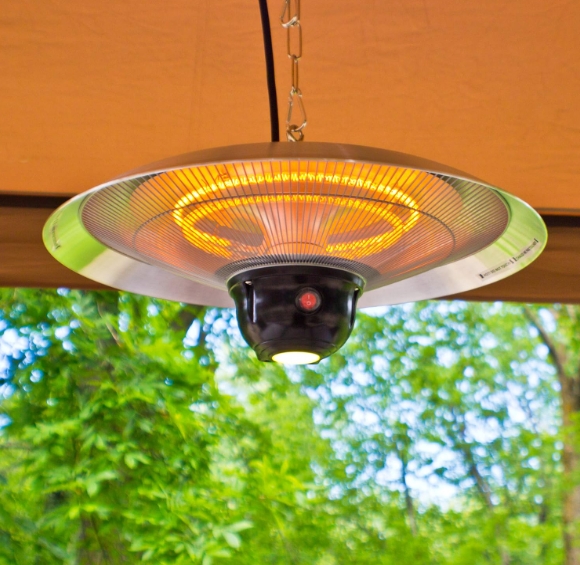
Let’s be honest: patios and outdoor bars are absolute death traps for heating elements. Between the humidity, the salt air, and that annoying condensation that settles on everything, most heaters just give up. They oxidize, they short out, and then you’re left with a cold patio and a dead circuit. We got tired of seeing that happen, so we built our infrared heaters to take a beating.
The battle against splashes and fog
Here is the problem: when a stray drop of water hits a scorching hot quartz tube, it doesn’t just evaporate. It causes “thermal shock.” The glass cracks. Just like that, your heater is trash. To stop this, we tucked everything inside a specialized housing with tight seals. We used an IP-rated enclosure because keeping water away from the electrical terminals isn’t optional—it’s the only way to keep the thing from frying. Then there’s the fog. You know that filmy layer that forms when humidity hits a cooling element? It kills the heat transfer. We fixed this by tweaking the airflow geometry. It basically nudges the moisture away from the emitter surface so the heat stays steady and strong.
Better guts, better glass
We didn’t go cheap on the materials. We use high-grade quartz glass with a protective coating that can handle the wild temperature swings of being outdoors. The wiring is a big deal, too. We used specs designed for high-humidity spots to stop corrosion from eating the connections. And please, no plastic clips here. We use reinforced seals that don’t warp or snap when things get hot.
The honest trade-off
Now, there’s a catch. Adding all those waterproof seals and anti-fog shields makes the unit a bit heavier. It also means it takes a few extra seconds to hit peak temperature compared to those naked, industrial lamps you see in warehouses. But honestly? It’s worth it. Without these protections, your heater will probably die within a single season. With them, you’ve got a piece of gear that can handle the weather and just keep running. One quick tip: just make sure your mounting brackets can handle the extra weight of the housing. You don’t want your heater sagging over time.