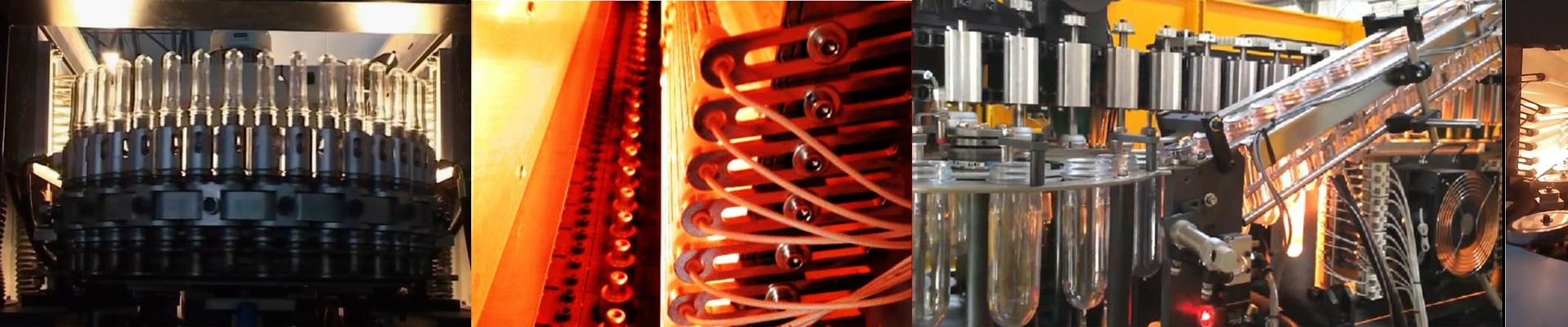
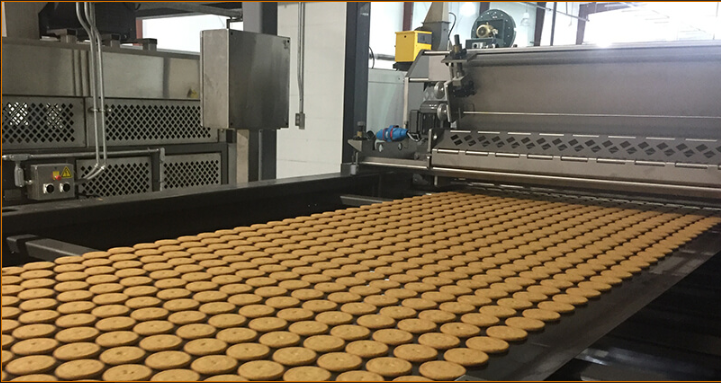
When service is live, the last thing you need is a holding area that can’t hold its own. If food comes up short on heat, you’re flirting with pathogens. If it runs too hot, you dry out everything you worked for—pizza, bakery items, grilled proteins—and you throw money away with every overcooked plate. A restaurant oven infrared lamp gives you tighter control over holding temps, so you can keep food safe without wrecking the texture you built. What matters, technically We spec short-wave infrared quartz lamps because they come up to temperature fast and respond immediately when the thermostat calls. Most units run on 240V, pull 2000–3000W, and lay down a focused heat pattern that warms the top of pans and the food surface without overloading the oven’s main baking chamber. The lamp sits in a shielded, high-temp ceramic housing, with a UL-rated cable and a standard plug, so you can add it to most deck ovens, rotary ovens, and convection ovens without rewiring the place. Warm-up is quick—often under 15 seconds—so the holding temperature settles fast after the door gets opened and closed. Here’s why it plays well in real kitchens. Different menus call for different holding moves. On pizza, the lamp keeps the top of the box and the cheese surface in the safe zone while the stone hearth stays hot enough to hold crispness. Bakery items hold without drying out because the infrared targets surface warmth, not the crumb. With grilled proteins, you get steady holding heat that keeps juices where they belong and makes temperature logs a lot less guesswork. The result is fewer swings, fewer failed checks, and fewer items that end up in the trash. Installation is straightforward, but clearance is non-negotiable. The lamp needs room from pans and oven walls to prevent hot spots and to keep components from cooking themselves too early. In very dry environments, keep the lamp clean and dry—moisture and dust can be rough on the quartz envelope. If your oven has a low ceiling or tight clearances, measure twice. This is focused heat, so pair it with probe thermometers and a documented holding routine. That’s how you get consistent, compliant results, shift after shift.