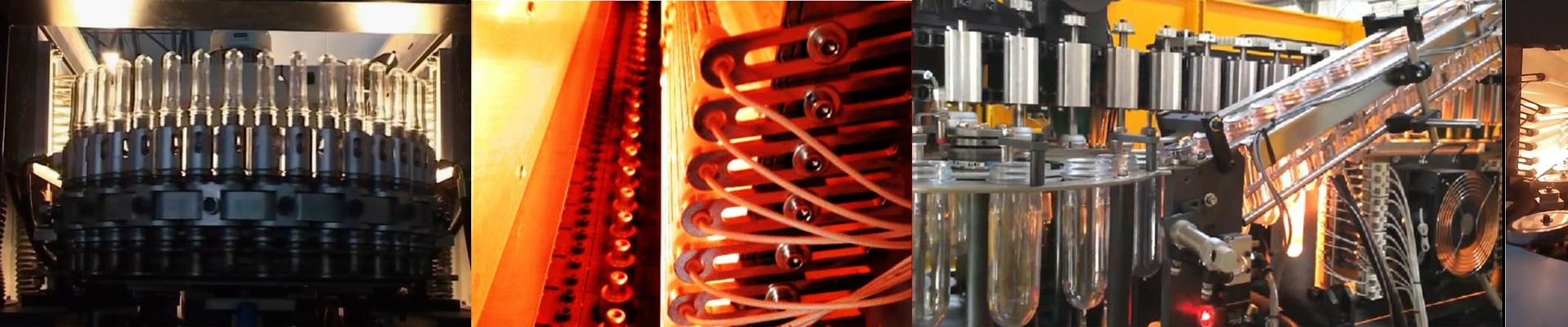
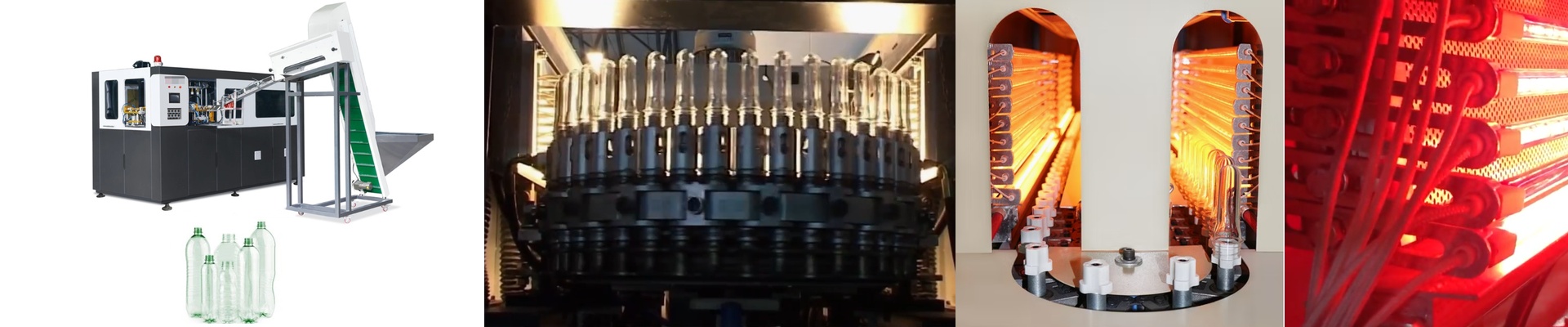
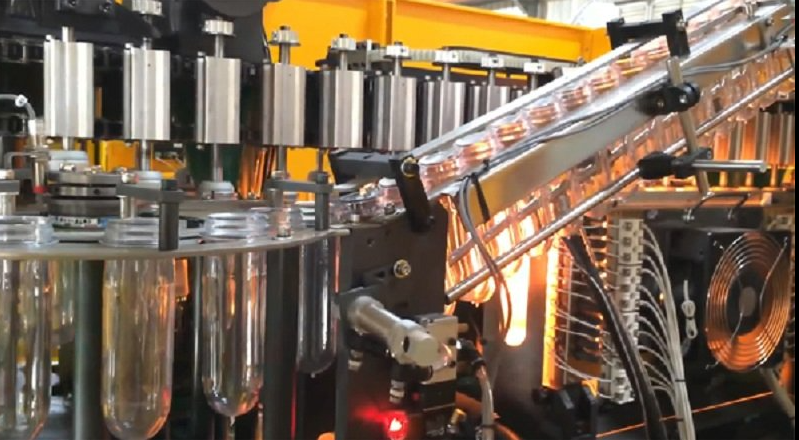
Every shift, that SIPA SFL heating tunnel has to nail repeatable preform temperature—period. When the lamps start to lag, you’re stuck making a hard choice: throttle the line down to dodge blisters and thin walls, or keep running and eat the scrap. Either way, you’re giving up output and cash. We built the SIPA SFL 6/4 heater lamp to get you off that ledge.
What matters under the hood
This is a short-wave infrared halogen emitter, cut to match the SIPA SFL 6/4 heating zone geometry and electrical envelope. The quartz tube runs at the wattage and voltage the machine calls for, with an R7s base and the exact lamp length so it sits square in the reflector—no hot spots, no shadowing. Infrared output peaks right where PET soaks up heat most efficiently, so the preform surface heats fast while the core stays even. That gives you a tighter temperature spread across the preform and far less sensitivity when line speed shifts.
Why it fits the SIPA SFL reality
On an SFL, heating consistency is the knob that controls both quality and uptime. Drop in the SFL 6/4 lamp and you get quicker warm-up after a restart, more stable zone temperatures, and fewer rejects tied to temperature swings. Fewer micro-stops for tweaks. Less scrap from crystallization or weak biaxial stretch. Energy use drops too, because the reflector geometry and lamp output are aligned—less wasted heat, more usable energy going into the preform.
The shop-floor details that matter
Match the lamp to the socket. Clean contacts, and verify voltage at the heater terminals; if the voltage is off, lamp life plummets and heating goes uneven. Handle the quartz tube with gloves or a clean cloth—skin oils create hot points that will come back to haunt you. Plan replacements around scheduled stops. When a lamp dies mid-run, you either kill the zone or gamble on quality drift. And keep the lamp within its rated cycle to avoid thermal shock—do that, and you’ll get long life and predictable output.