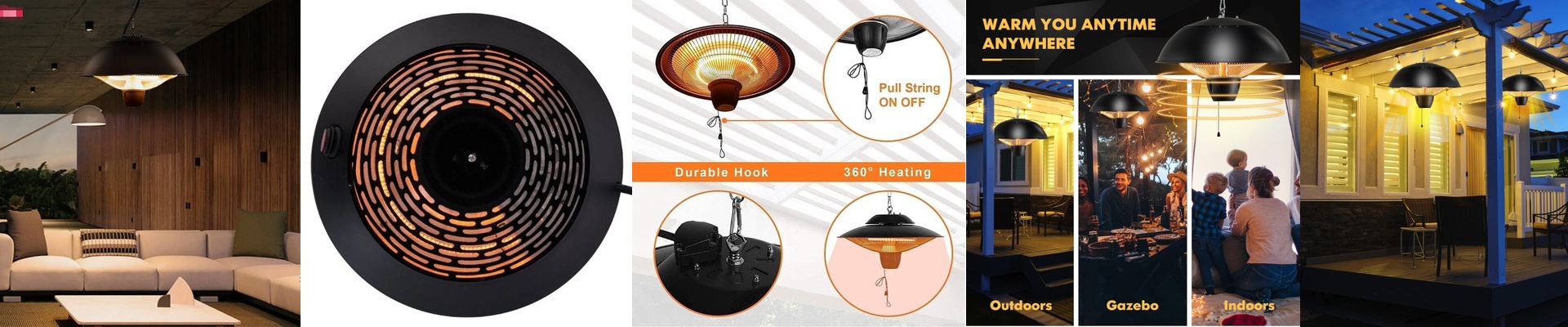
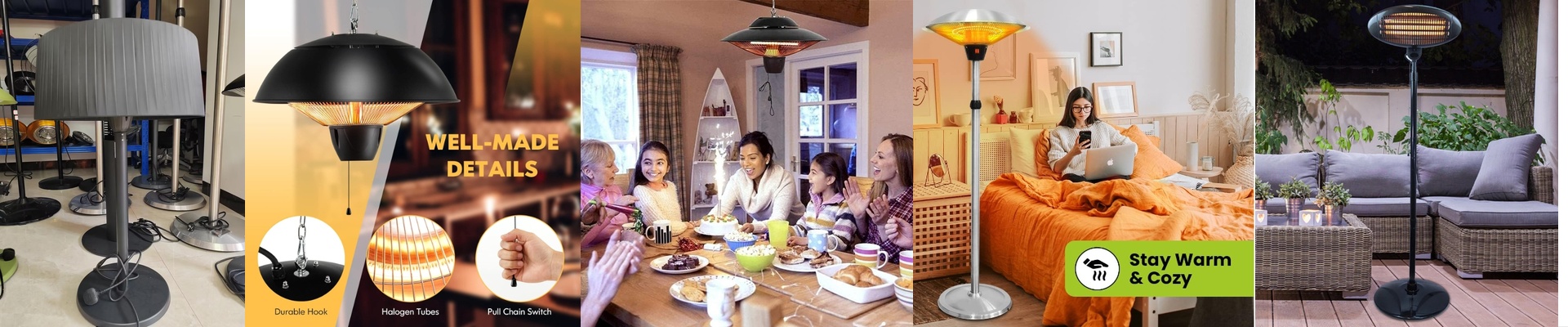
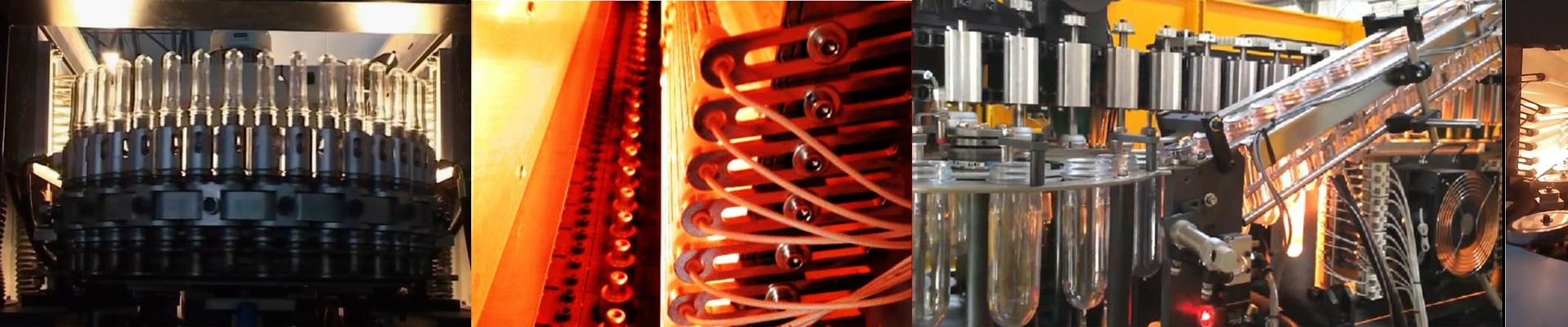
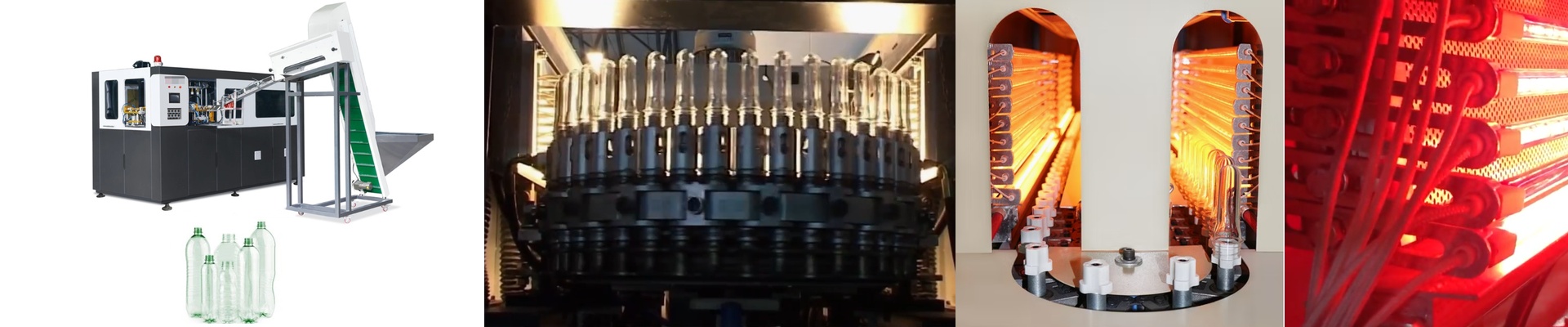
Load up a rotary oven for a steady run, and uneven heat shows itself fast. Bottoms stay pale while crowns burn. You end up cracking the door, trying to chase the temp back into line. That chase wastes time, burns energy, and kills the crust you worked to build. We built the nichrome infrared lamp system to stop that cycle where it starts—by delivering predictable radiant heat that keeps the baking chamber stable. The core is straightforward: a nichrome heating element paired with a focused infrared lamp. The nichrome wire comes up to temp quickly and holds steady, while the infrared output hits the dough surface and drives caramelization early, setting the crust fast. The payoff is even color across every pan, without hot spots that force you to rotate trays or babysit the thermostat. In practice, you get loaves and pizzas with a deep, even golden finish—crisp outside, open and tender inside. Out on the production floor, this matters. Rotary ovens live on repeatable cycles, and infrared heat cuts down the recovery time after loading, so you can keep the belt moving. You spend less time correcting under-bake or over-color, and more time shipping product. Energy use drops because the element hits target fast and holds it with minimal swing, and the lamp’s long service run means fewer interruptions for replacements. Plan for it. Infrared output is strong, so the lamp has to be positioned to match your pan height and spacing—shielding and proper mounting are a must. It also needs a dedicated circuit that can handle the inrush current at startup. Match the voltage and connector to your oven’s terminal block, and confirm clearance so it won’t contact pans or the oven interior during rotation. Once it’s set, the system runs clean—no extra fans, just consistent heat.