
How to actually speed up your baking line without ruining the bread
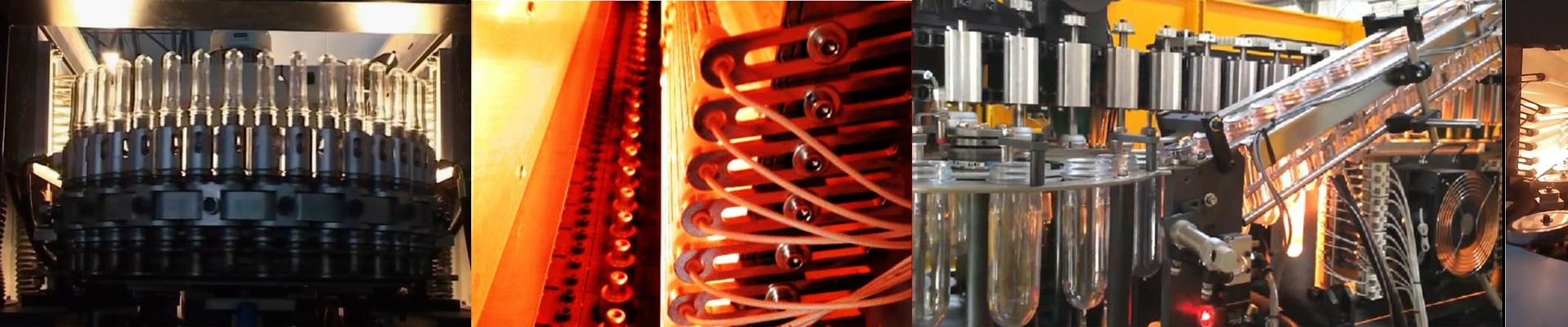
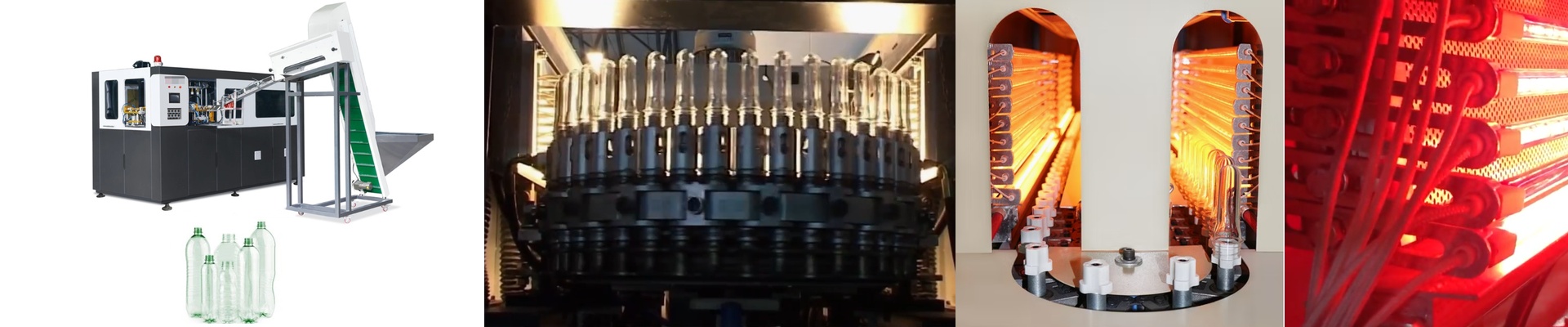
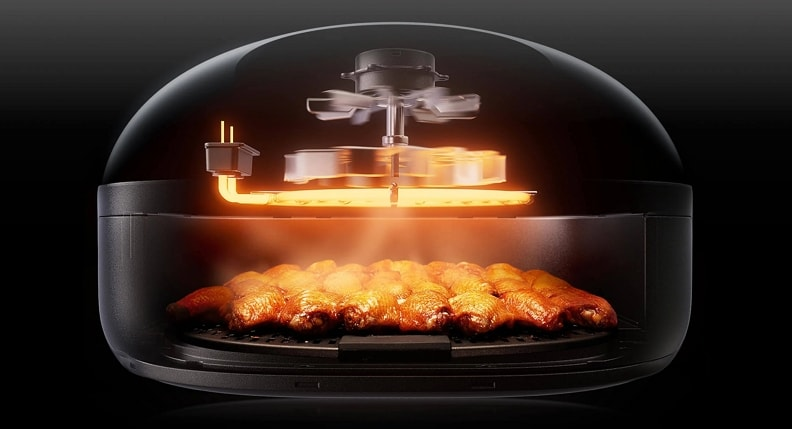
If you’re trying to push more loaves through your line every minute, you’ve probably hit a wall. Usually, that wall is just heat. Standard ovens rely on heating up the air first, and that takes forever. It’s slow. It’s clunky. That’s why we use shortwave IR lamps. Instead of waiting for the air to get hot, these lamps blast energy directly onto the surface of the dough. It’s instant. You aren’t heating the room; you’re heating the bread. Getting the timing right If you want to cut down your cycle times, you need raw power. We swap out those old standard elements for high-wattage quartz tubes. This pumps more radiant energy into the crust, so it browns way faster. We don’t just throw them in, though. We map out the temperature zones across your conveyor. If your line is lagging, it usually means you aren’t getting enough wattage per centimeter. Once you fix that ratio, you can crank up the conveyor speed without worrying about pale, underbaked bread. The gear (and where people mess up) We design these as drop-in replacements. You shouldn’t have to tear apart your electrical panels or redraw your schematics just to get more heat. Most of these use quartz glass because it lets the heat through without fighting it. Depending on whether you’re on 220V or 380V, we tweak the filament thickness so the lamp can handle the load without popping. But here is the catch:Your reflectors matter. I’ve seen people buy the most expensive lamps on the market, but their gold or aluminum reflectors are pitted, oxidized, or just plain dirty. If your reflectors are shot, you’re basically throwing 30% of your energy into the ceiling. And a quick warning—don’t just jam high-wattage lamps into a tight space and call it a day. More heat means more stress on your cooling fans. If you don’t have the airflow to match the power, you’ll fry your sockets. Keeping it running Installing these is pretty simple, but the fit has to be spot on. If there’s a gap in the mounting bracket, you’ll get weird, uneven browning. It looks unprofessional and wastes product. I always tell people to check their contacts for carbon buildup every few months. And for heaven’s sake, replace the tubes before they start flickering. If one lamp dies in a multi-zone oven, you get a cold spot. One cold spot means a whole batch of ruined bread. Not a great way to start the morning.