Stop Fighting Your SACMI Heaters: A Better Way to Handle Start-up Lag
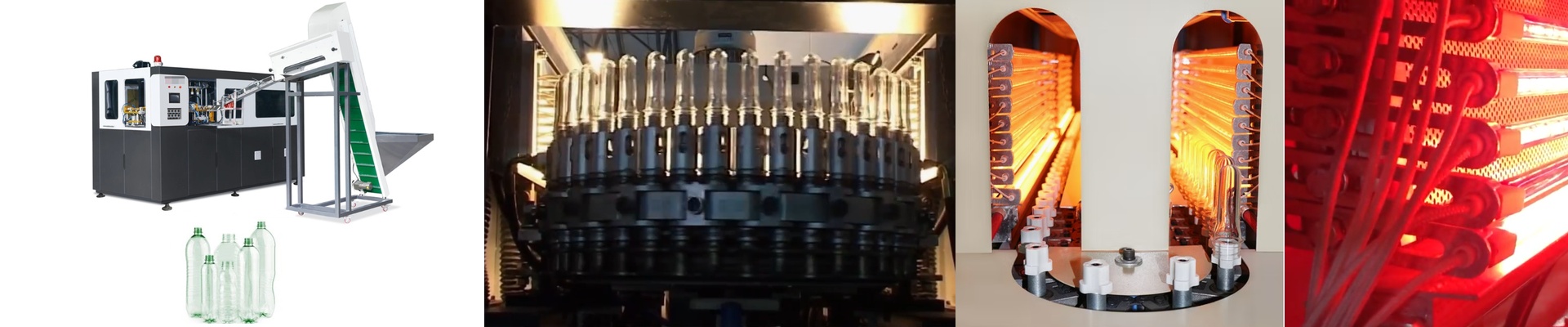
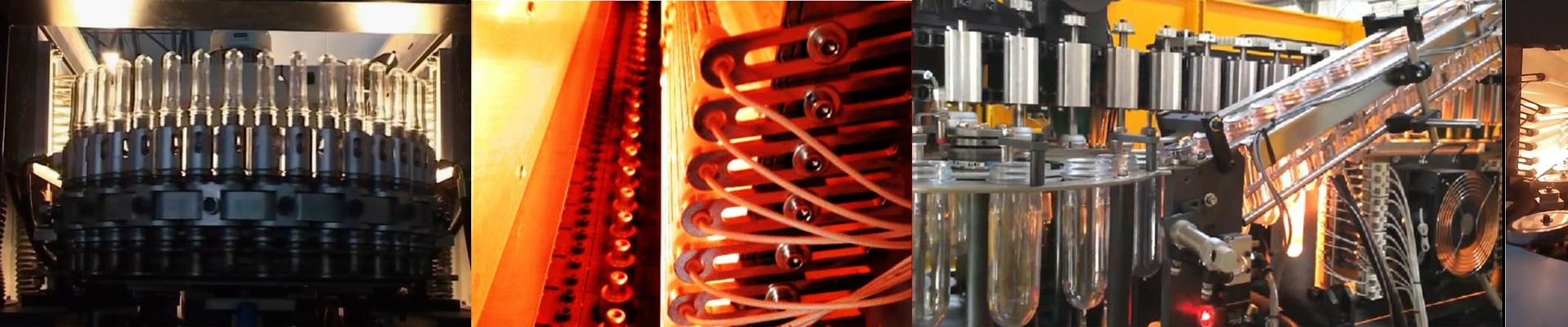
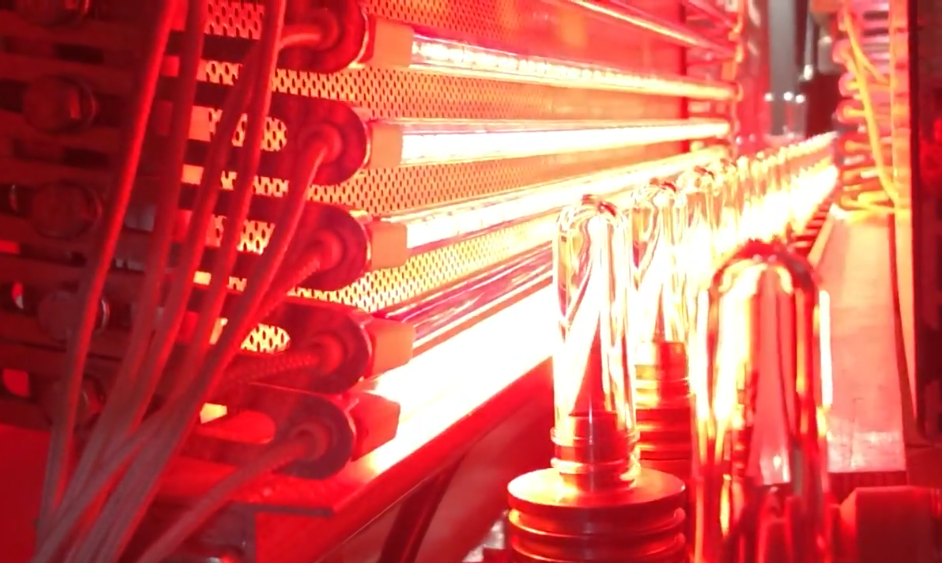
If you’ve spent any time around a SACMI rotary blow molder, you know how tight those cycles are. There isn’t any room for error. When your heaters lag, your preform temperatures go all over the place, and suddenly you’re staring at a pile of deformed bottles. It’s frustrating, and it kills your productivity. That’s exactly why we built our replacement infrared lamps. We wanted to kill that lag and just make the process stable. Getting the heat where it actually belongs To get your PET to the right temperature in a matter of seconds, you need raw power. We use high-wattage shortwave infrared tech because it doesn’t waste time heating up the air around the machine. Instead, it throws the energy straight into the material. We’ve tweaked the voltage and wattage ratios so the filament hits its peak temperature almost the moment you flip the switch. They’re drop-in replacements, meaning they fit the OEM footprint perfectly, but they ramp up way faster. The nitty-gritty on build quality We use high-purity quartz glass because nobody wants to deal with a lamp burning out in the middle of a shift. Some of our tubes even have special coatings that bounce the heat back inward, pushing more energy into the preform. As for the setup? It’s simple. We use standard R7s or Sk15 connectors. You just wire them in and you’re good to go—no need to hack apart your existing housing. We also keep the tolerances incredibly tight. The tubes fit snugly, so you don’t have to worry about them rattling or failing while the machine is spinning at high speeds. One thing to keep in mind… Here’s the catch: all this concentrated heat is a powerful tool, but it can be aggressive. Since these lamps are designed for a rapid start-up, they generate a lot of localized heat. If your cooling fans are clogged or your ventilation is acting up, those lamp holders can get way too hot. Before you swap in these higher-output tubes, just double-check your airflow. You don’t want to accidentally melt any of the surrounding plastic parts. Once you’ve got the airflow sorted, the result is simple. No more slow warm-ups, no more uneven heating zones, and way less scrap hitting the floor.