Stop Waiting for Your Ovens to Warm Up
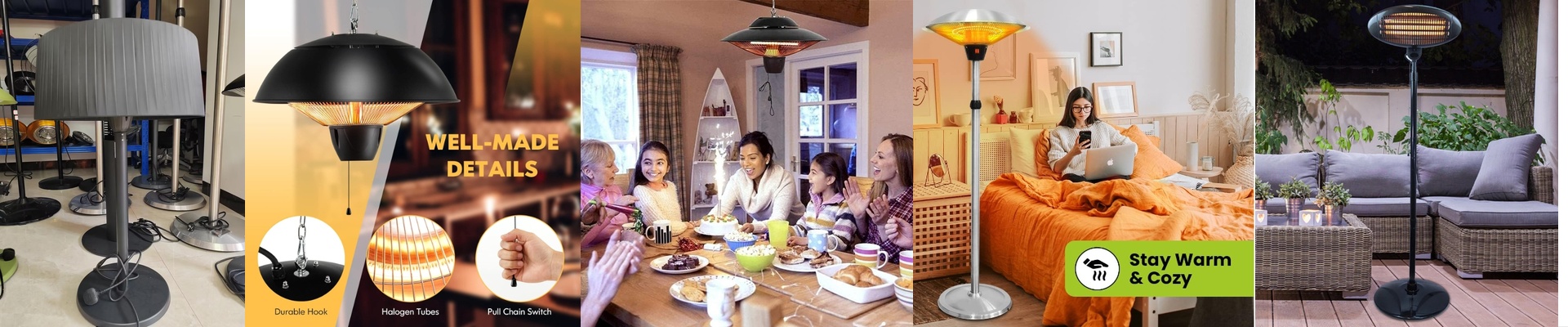
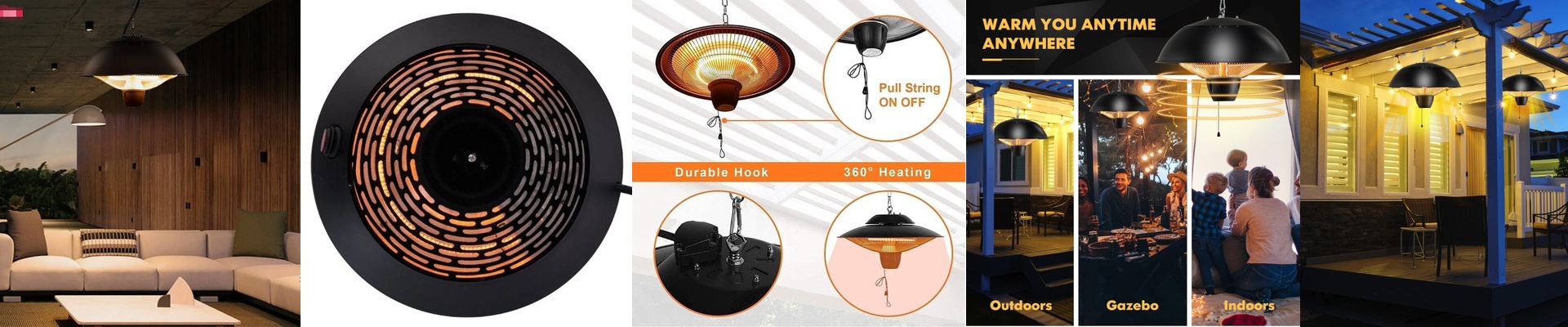
Nothing kills a production schedule like a slow oven. You’re standing there, watching the clock, waiting for the heat to finally hit the right spot while your throughput just tanks. When the main heating elements can’t keep up with the pace of your bakery, we bring in auxiliary infrared (IR) heating lamps. Now, these aren’t just fancy lights. They’re heavy-duty thermal tools that push energy straight into the dough. You aren’t waiting for the air to get hot first; you’re hitting the product directly. The trick to a fast start Most ovens rely on convection—basically just blowing hot air around. It works, but it’s slow. We use short-wave quartz lamps instead. They send out electromagnetic radiation that actually sinks into the surface of the dough. By wiring these into your auxiliary circuit, you can force that temperature spike right at the start of the bake. It’s fast. Really fast. And that changes everything for your workflow. The nuts and bolts We usually go with high-wattage quartz tubes. The quartz lets the filament get incredibly hot without reacting chemically with anything. One thing to watch: your voltage. If you’ve got a small setup, standard 220V tubes are fine. But if you’re running a massive industrial line, you’ll probably need higher voltage. It keeps the current from dropping too much over those long cable runs. The best part? They don’t take up much space. You can usually drop them into your existing frames without having to rebuild the whole oven. But a word of caution: these things getscorching. If you use cheap wiring, the lamp ends will melt right through the insulation. Do yourself a favor and use high-temp silicone or fiberglass sleeved leads. Trust me, you don’t want a burnout mid-shift. The trade-off Here’s the catch. Because IR lamps hit so hard and so fast, you can accidentally torch the outside of your bread before the middle is even warm. You have to play around with the distance and the timing. We recommend using a PID controller to pulse the lamps on and off. It keeps the crust from burning while the center of the loaf catches up. And just keep in mind, these aren’t “forever” parts. Eventually, the tungsten filament thins out and snaps. Just keep a few spares on the shelf, swap them out, and you’re back in business.