Dealing with Heat Spots in Your Krones Contiform S
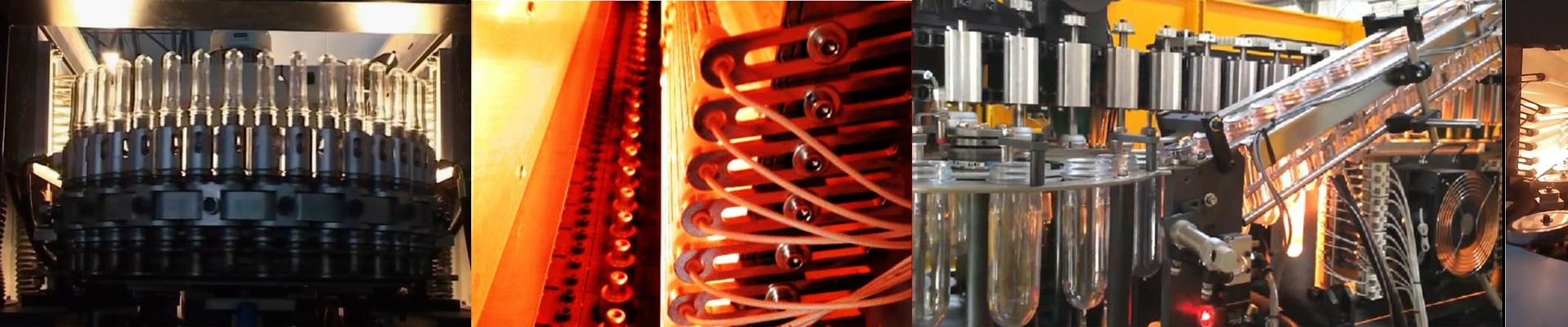
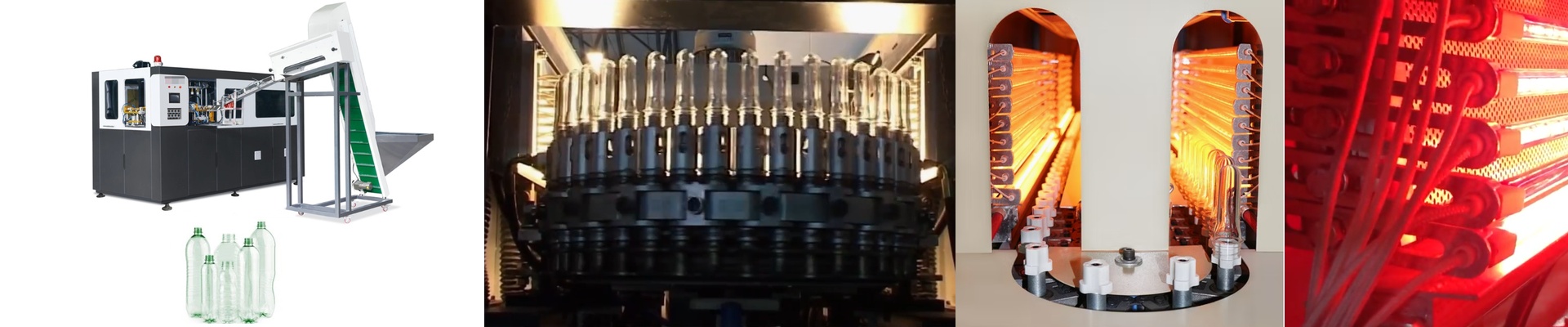
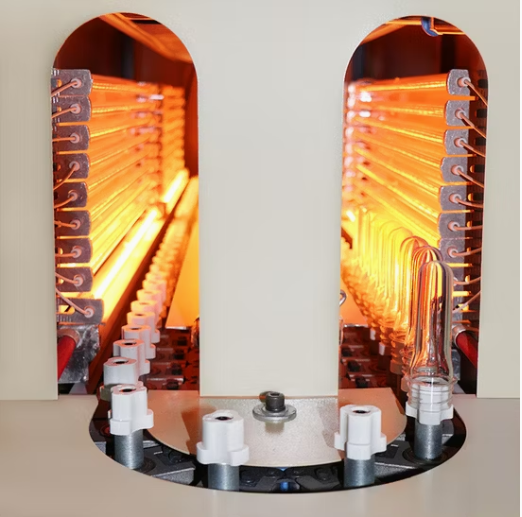
Ever look at your PET bottles and see those annoying wall thickness variations or that cloudy, pearlescent look? It’s frustrating. Usually, it comes down to “cold spots” in your thermal profile. Most of the time, the culprit is just old lamps that have degraded or don’t match the rest of the set. That’s why we make drop-in replacement quartz lamps. We’ve spec’d them to hit the exact same thermal footprint as the original OEM parts, so you don’t have to guess. The nitty-gritty on power We built these lamps to handle the high-voltage demands of the Contiform S series. We’re obsessive about the balance between wattage and voltage. Why? Because if the heat density isn’t constant across the whole tube, you’re in trouble. If you use a lamp with the wrong ohms, one of two things happens: you either fry the filament way too early, or the PET preform never actually hits that critical glass transition temperature. Neither is a good day at the office. What’s actually inside the glass? We use high-purity fused quartz. It has to be, otherwise the lamps would just crack under the stress of rapid heating and cooling. We also use a specific halogen cycle. This keeps the tungsten from building up and clouding the glass over time. For the jobs that need surgical precision with infrared absorption, we add a focused coating. This pushes the heat into the preform wall instead of just scorching the surface. Getting them installed (and a few warnings) The good news is these use standard R7s or Sk15 connectors. You just swap them out. No rewiring, no headaches. But here is a pro tip: don’t just crank up the wattage to make up for an old, leaky oven. That puts a massive strain on your cooling blowers. If you push it too hard, you might actually overheat your reflectors. Before you move to high-output lamps, take a quick look at your reflectors to make sure they aren’t worn out—you don’t want to accidentally scorch your preforms. And one last thing? Swap your lamps in batches. Keeping the sets matched is the only way to make sure your thermal field stays uniform across every single zone.