

Getting Your KHS Heating Actually Right
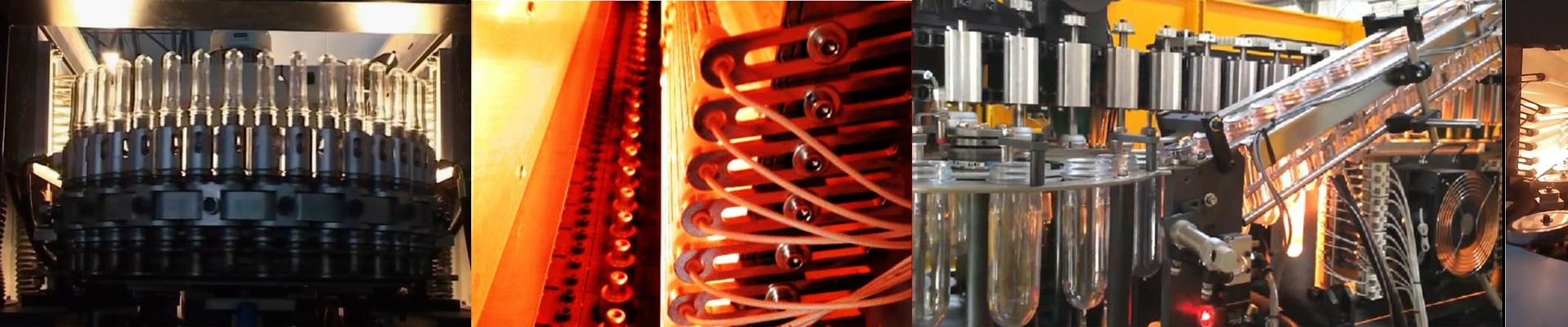
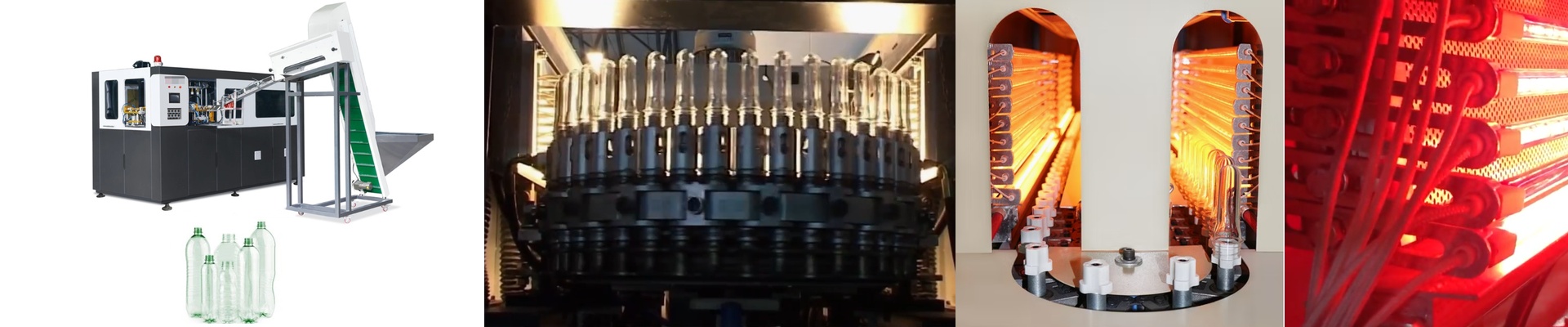
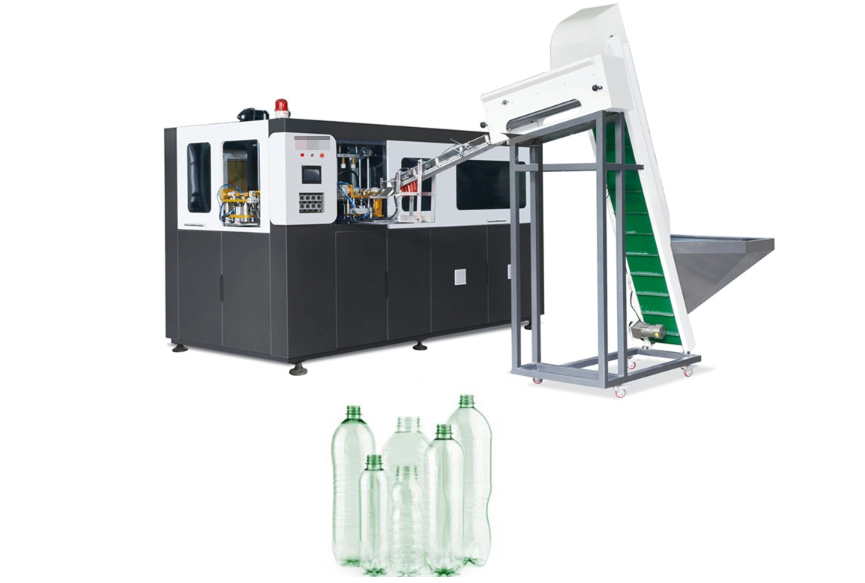
If you’ve spent any time with KHS blow molding machines, you know the headache of uneven heating. One minute you’re fine, the next you’ve got bottles with wonky wall thickness or, worse, total deformation. It usually comes down to “hot spots” that scorch the PET preform or “cold spots” that lead to blow-outs. It’s frustrating. We decided to tackle this by building quartz heating elements that fit KHS footprints perfectly, focusing specifically on how the tungsten filament is wound. That’s where the real fix happens. The secret is in the winding Here’s the thing: heat uniformity is all about linear power density. If the filament isn’t wound with total consistency, the infrared output jumps around. Cheap tubes often have a “center-heavy” profile—they blast heat in the middle and drop off at the ends. We use a controlled winding process to keep the wattage per centimeter steady. When you slide these into your oven, the heat actually levels out. You can stop spending your whole shift tweaking machine settings just to make up for a bad lamp. Fitting them in We use high-purity fused quartz because it can handle the shock of rapid heating and cooling without cracking. Plus, we use standard industrial connectors, so they just drop right in. No fuss. Depending on your setup, we can tweak the coatings to change the emission spectrum. Shortwave output hits the PET faster, which is great for speed, but there’s a catch: your reflectors have to be spotless. If they’re pitted or oxidized, you’re just wasting energy. A quick word of caution These high-density tubes put out a massive amount of heat. It’s powerful stuff, but it puts a lot of pressure on your cooling blowers. If you crank up the wattage to shave seconds off your cycle time, make sure your ventilation can actually pull the heat away from the lamp ends. If it can’t, you’ll burn out your sockets way sooner than you should. My advice? Keep an eye on your current draw during that first hour of operation. Just make sure the voltage is stable, and you’re good to go.