Getting Your Sidel Matrix Heaters Right
Here is the problem with swapping out heating lamps in a Sidel Matrix oven: one tiny slip in the temperature curve and everything goes sideways. If the wattage is off or the spectral output doesn’t line up with the original specs, you’re looking at PET preforms that are either barely warm or completely scorched. It’s a headache you don’t need. That’s why we build our quartz tubes to be a dead ringer for the original parameters.
The “Secret” to the Temperature Curve
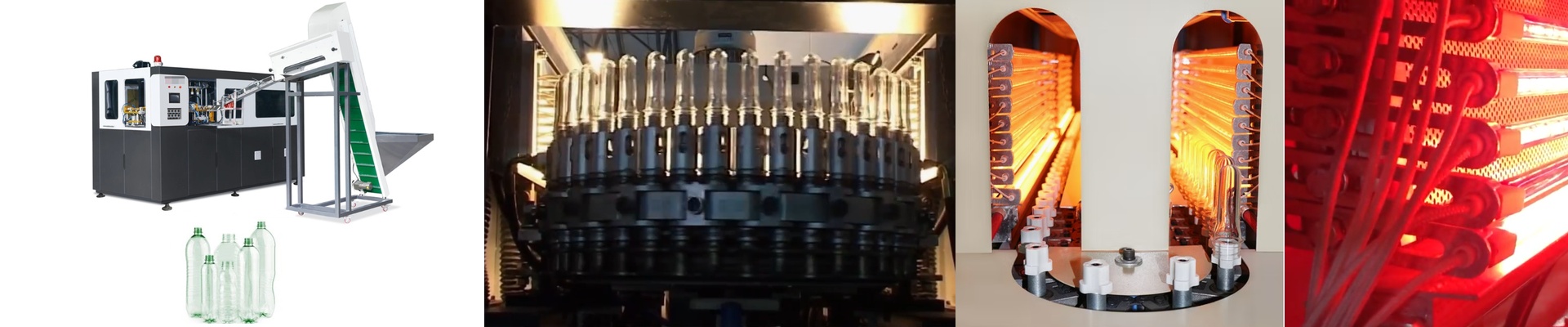
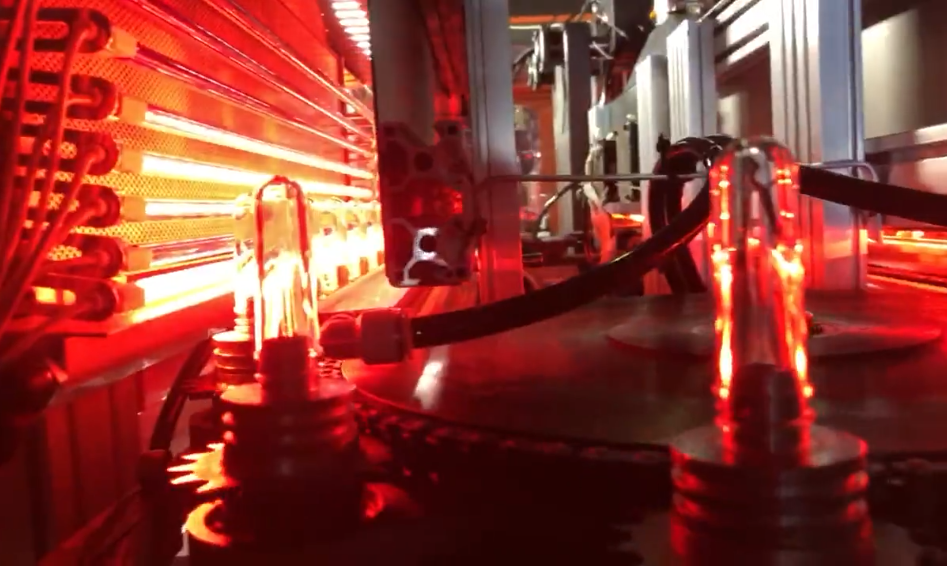
Getting a steady heat rise isn’t magic. It’s just a balance of voltage, wattage, and the length of the element. We make sure our tubes mirror the original Sidel electrical load. By nailing the resistance and power density, the infrared radiation hits the PET wall exactly the way the factory lamps do. You get the same heat flux. The best part? You don’t have to waste your entire afternoon recalibrating oven zones after you’ve changed a lamp. You just slide them in and get back to work.
Built for the Grind
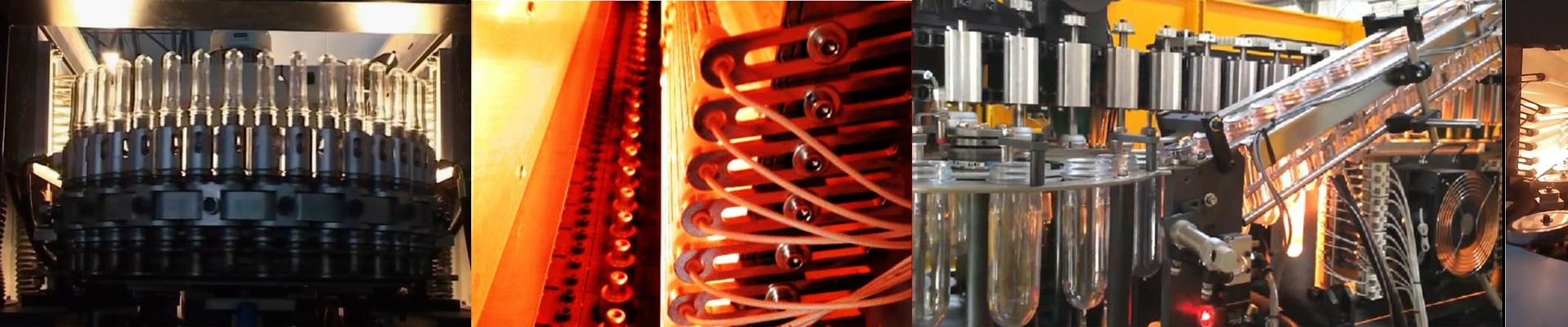
We use high-purity quartz glass because these things take a beating with rapid thermal cycling. The filaments are tuned for shortwave infrared emission, which is the only way to keep up with those high-speed blowing lines. And they’re true drop-in replacements. No forcing, no “making it fit,” and no swearing at the connectors. The dimensions and footprints are identical to the OEM parts. They just slide right into the sockets.
A Quick Reality Check
Now, here is the thing. These high-wattage tubes put out an intense amount of heat. That’s great for your throughput, but it puts a lot of pressure on your reflectors. If your reflectors are pitted or covered in grime, even a perfect lamp is going to underperform. The heat simply won’t bounce back into the preform. While you’re swapping the lamps, do yourself a favor and check the reflectors. If they’re dirty, you’ll get uneven heating no matter how precise the lamp is. Keep the assembly clean, and these tubes will do exactly what they’re supposed to do.