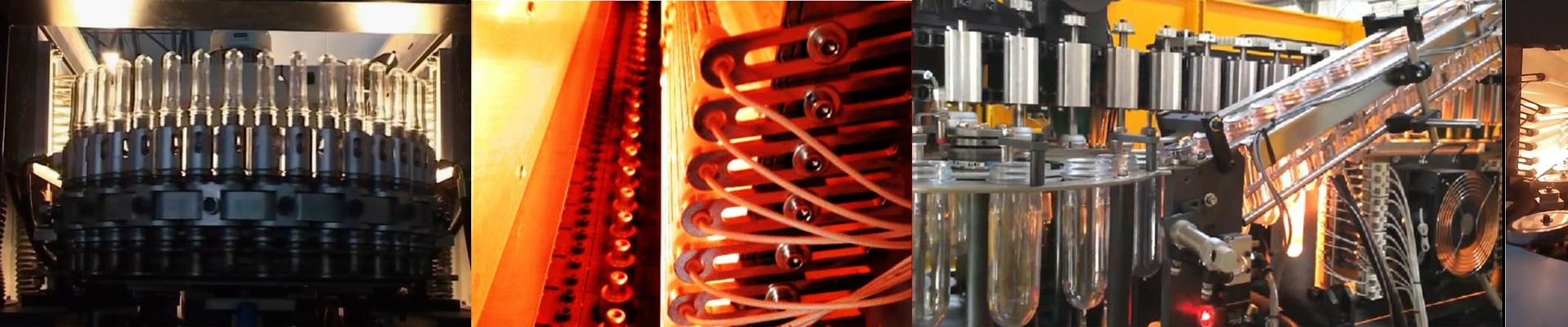
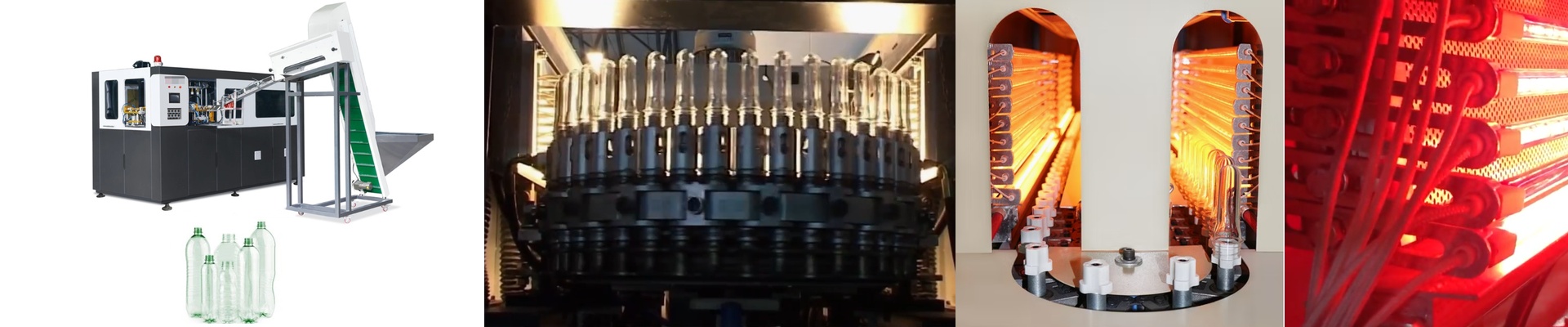
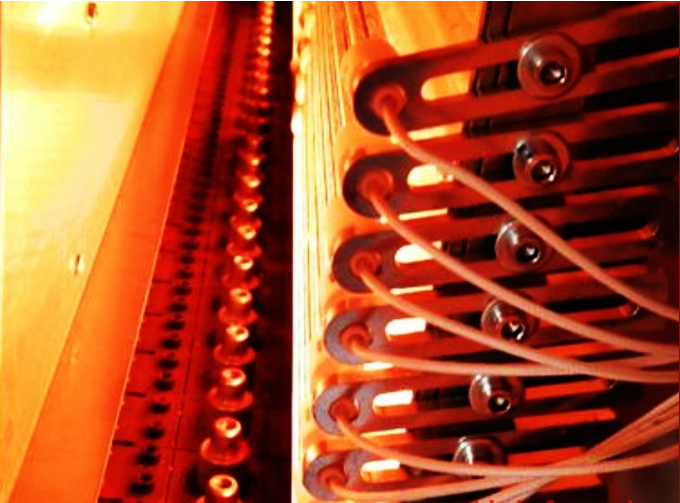
On the floor, a tired preform heater element doesn’t just throttle the line—it turns scrap into a daily headache. I’ve watched blow molders from Sidel to Krones fight inconsistent stretch, wall thickness that wanders, and a sudden jump in power draw as the heating tunnel scrambles to compensate. Then you get the downtime for lamp swaps, and the cheap replacements that never quite hit the thermal profile the machine was built around. What matters under the hood Our preform heater element is a 2500W short-wave infrared quartz emitter, built for fast response and steady output inside the heating tunnel. The 2500W rating lines up with the OEM heat demand, so the blow molder’s PID control can hold setpoint without hunting. Halogen-quartz construction delivers high-intensity infrared that penetrates the preform wall quickly, giving you repeatable heating cycle after cycle. It’s specced with an R7s connector and standard dimensions for direct fit into common heating modules, and the quartz tube handles repeated thermal shock without cracking. Why this fixes it in practice When you swap out that aging lamp, you’re restoring the original heating curve. That translates to shorter warm-up, fewer temperature swings, and a more consistent preform temperature right at the stretch blow stage. You’ll see fewer pinholes, better bottle weight control, and less scrap. Power consumption drops because the heater isn’t fighting to make up for lost output, and the longer service life means fewer lamp changes—fewer interventions, fewer line stops. A few shop-floor reminders Installation is straightforward, but keep the heating zone clean and aligned; even a little misalignment shifts the preform’s temperature distribution. Short-wave infrared runs hot, so check reflector condition and airflow around the lamp. If you’re running heavy cycles or extended hours, schedule periodic checks of the lamp socket and wiring to prevent oxidation and loose connections—those can cause flicker and uneven heating.