Getting Infrared Heating Right in Automated Kitchens
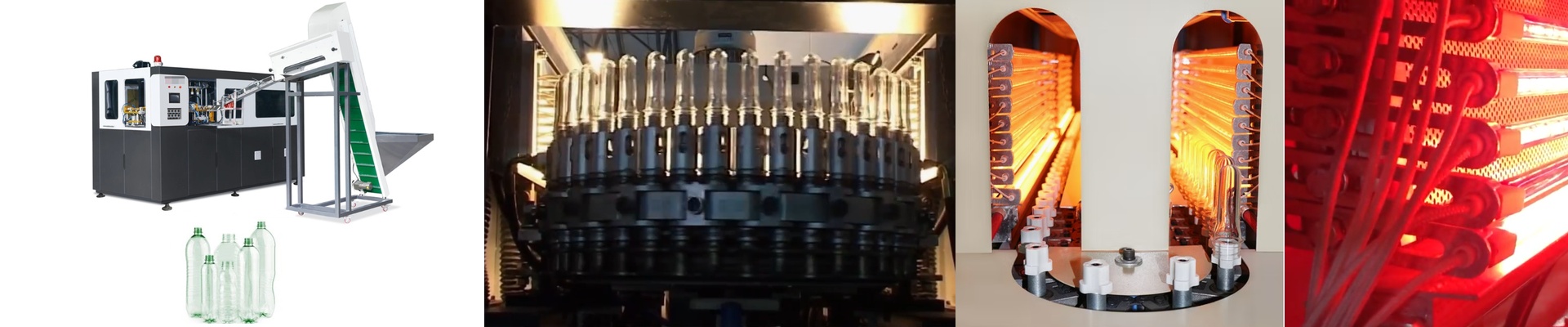
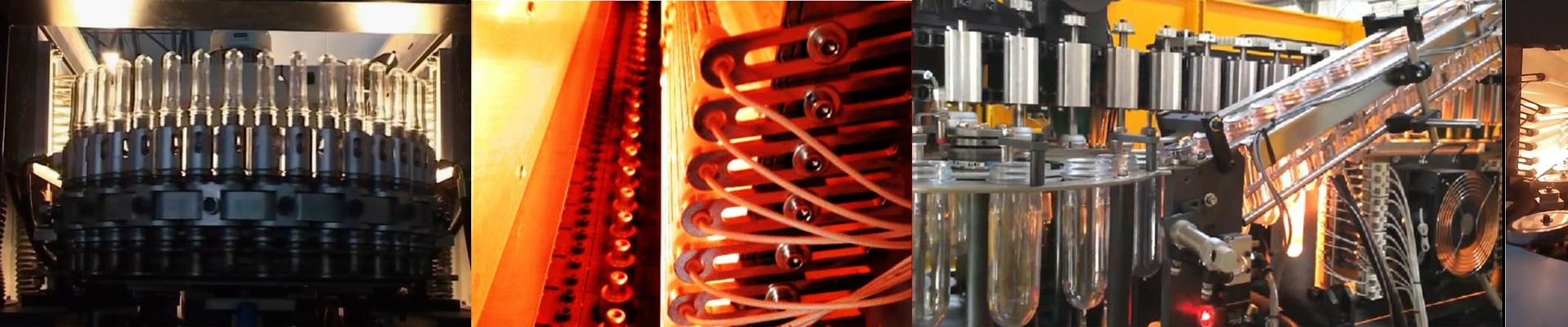
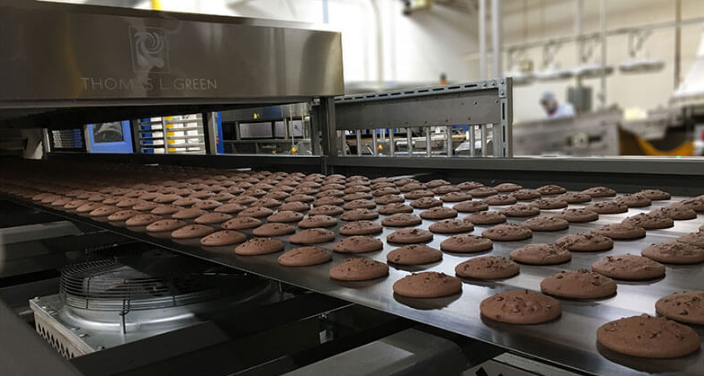
When you’re building an automated reheating system, speed is everything. That’s why we lean on infrared (IR) heating tubes. Think about a standard convection oven—it has to heat up all the air around the food first. It’s slow. IR tubes skip that whole step. They shoot energy straight into the food. It’s fast. Really fast. And that changes everything for your cycle times.
Making the Hardware Actually Behave
You can’t just plug these tubes in and hope for the best. If you do, you’ll end up with burnt edges and cold centers. To get it right, we hook them up to a PID controller. We use a K-type thermocouple or an IR pyrometer to keep an eye on the temperature, then let a Solid State Relay (SSR) handle the power. The secret is something called Pulse Width Modulation (PWM). Basically, the system flickers the power on and off in tiny, millisecond bursts. It keeps the temperature steady as a rock, so the food gets hot all the way through without scorching the surface.
The Trade-offs (Because Nothing is Perfect)
We usually go with quartz glass for the tubes. It’s great because it doesn’t crack when the temperature jumps up and down. But here’s the catch: quartz is fragile. If your machine vibrates or your trays shift around, those tubes can snap. I always recommend adding a protective cage or some reinforced brackets. It’s a small detail, but it saves you from a total meltdown later. Then there’s the power side of things. You can crank up the wattage density to get more heat, but that puts a lot of stress on your electrical setup. Just make sure your wiring and breakers can handle that initial surge of power when the system first kicks in.
Why This Works
The best part about IR tubes is that you can create “zones.” Instead of one big heat blast, you can tell the oven to push more heat into the center of the tray and dial it back at the edges. It’s a huge upgrade over slower methods. You just have to make sure your control loop is tuned properly, since infrared reacts almost instantly.