Stop Dealing with Cold Spots in Your Pizza
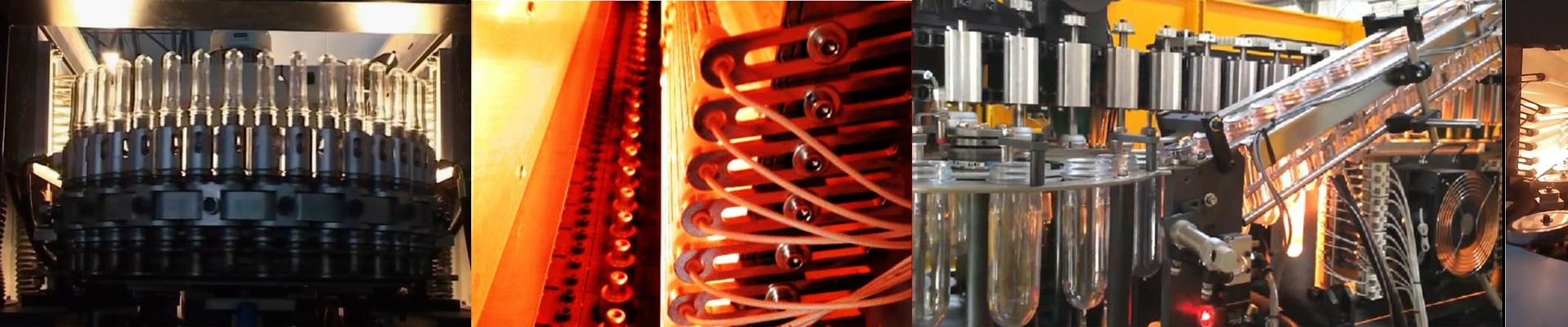
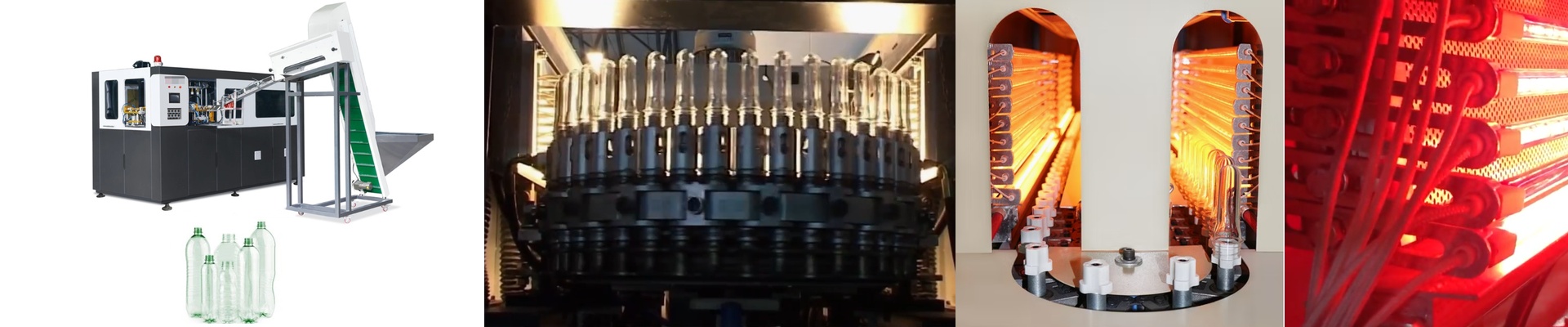
Ever pull a pizza out of a reheating line only to find the edges are charred but the middle is still cold? It’s frustrating. And when you’re running a business, those “cold zones” aren’t just annoying—they’re expensive. You end up tossing a lot of product in the trash because standard convection air just doesn’t move the way we need it to. That’s why we shifted to short-wave infrared (IR). Here’s the thing: IR doesn’t waste time heating up the air around the food. It just sends energy straight into the pizza. Getting the Melt Right The goal is a perfect, consistent melt across the whole crust. To do that, we obsess over the heat density. We pick IR lamps with a specific wavelength that can soak into the dough and the cheese at the same time. No more burnt toppings on top of a frozen center. By tweaking the wattage and how we space the elements, we create a steady field of heat. Your conveyor belt basically becomes a zone of total consistency. The Gear Under the Hood We use high-purity quartz tubes for these elements. Why? Because they can handle the shock of switching on and off rapidly without cracking. Depending on your power setup, we’ve got a few different voltage options. If you go with higher wattage, you’ll get a much faster ramp-up. Just a heads-up: make sure your control board can handle that extra pull so you aren’t blowing fuses during your lunch rush. And don’t worry about a massive teardown. We use standard connectors, so these are simple drop-in replacements. You just plug them in, calibrate your PID controller, and you’re back in business. A Few Things to Keep in Mind Now, there is a trade-off. High-intensity IR puts a lot of stress on the oven housing. Since the heat is so instant and powerful, it doesn’t just hit the pizza—it hits the oven walls, too. If your chassis isn’t well-insulated, you’re basically paying to heat your factory floor. Plus, your electronics might start to sweat. If you’re upgrading to those high-wattage tubes, take a quick look at your ventilation. It’ll keep your gear running cool and save you a headache down the road.