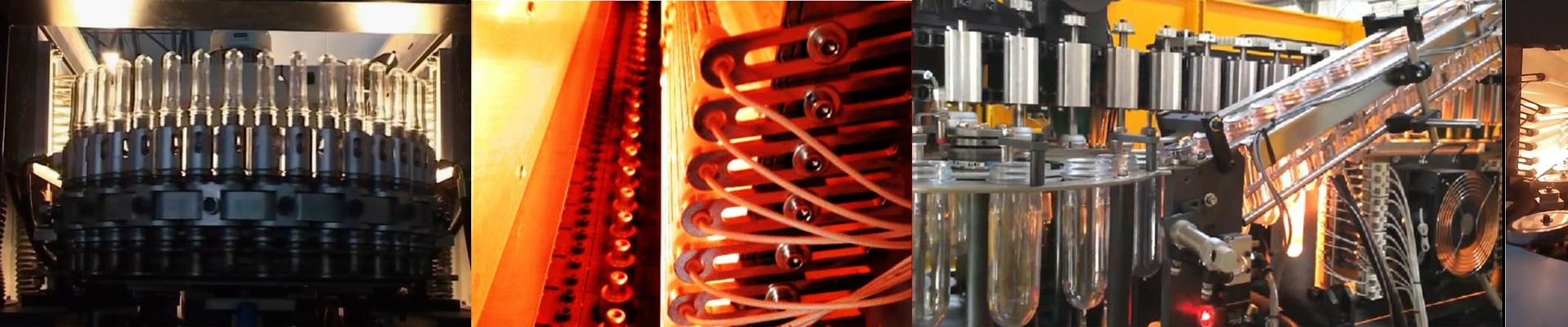
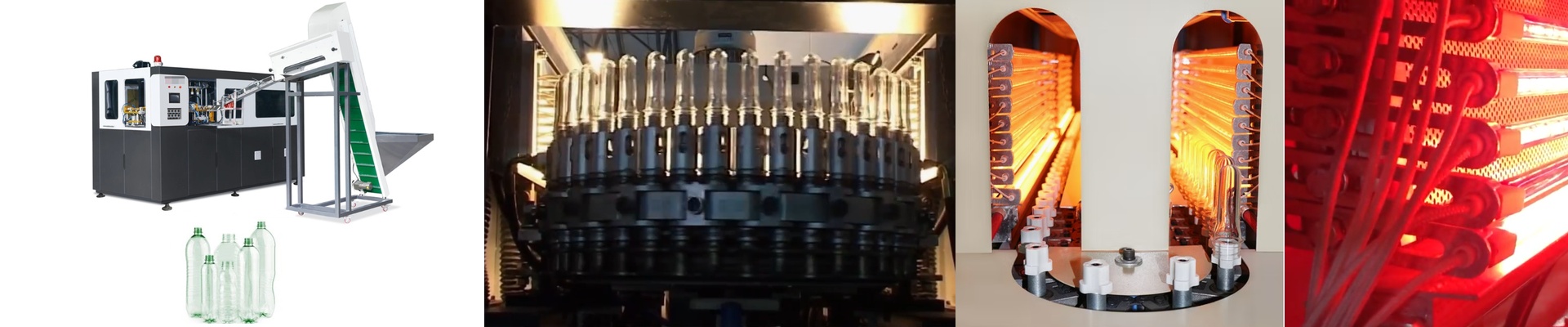
On the line, the Contiform C keeps humming. Preforms roll in, the heat soaks in, and the blow molder does its thing—until the heating tunnel starts drifting. You spot it first in the scrap bin: hazy bottles, wall thickness that’s all over the place, and a sudden spike in rejects. Then the maintenance tickets pile up—lamp failures, zone temperatures that won’t hold, and the downtime cost of chasing a replacement that doesn’t quite drop in. That’s exactly where the Krones Contiform C heating tube earns its keep. It’s built to plug straight into the Contiform C heating system as a direct-fit, so you stop fighting mismatched geometry and get back to running the profile the machine was designed for.
What matters under the hood
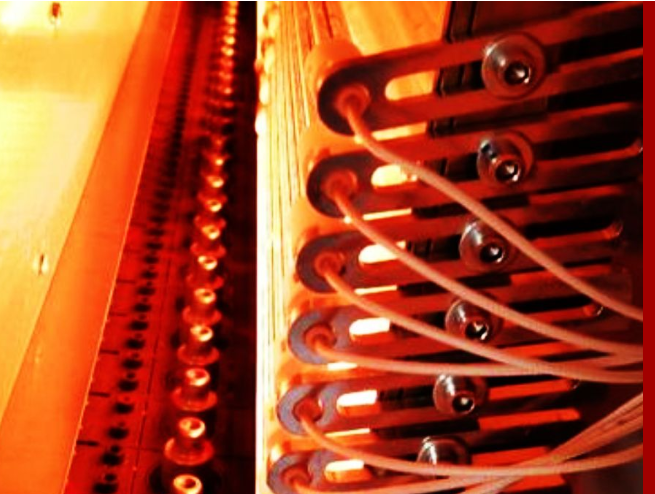
We build the Contiform C heating tube around short-wave infrared halogen emitters, because PET preform heating demands fast response and tight thermal control. The quartz envelope transmits infrared energy efficiently and takes rapid on/off cycling without the lag slower heaters introduce. Specs are matched to the Contiform C heating zone setup:
- **Emitter type:**Short-wave halogen infrared
- **Envelope:**High-transmission quartz tube
- **Electrical fit:**Dimensioned for the Contiform C lamp holder interface
- **Termination:**R7s-style connector geometry, aligned to the machine socket
- **Thermal behavior:**Fast heat-up, fast cool-down for stable zone control Why this approach? In stretch blow molding, the preform surface has to hit the right temperature window quickly, then hold steady cycle after cycle. Short-wave infrared gives you the intensity to heat the preform surface without overdriving the system. The quartz tube keeps output consistent and repeatable, so the heating profile you set is the heating profile you get.
Why this makes sense on a Contiform C
The Contiform C is a production machine, not a lab setup. When a heating tube underperforms, you don’t just lose a lamp—you lose throughput, yield, and predictability. With the Contiform C heating tube, you get:
- OEM-aligned geometrythat installs into the existing lamp holders and reflectors without modification. No shims, no fabrication, no guesswork.
- Stable zone temperaturethat cuts down temperature swings across the heating tunnel. That means fewer hazy bottles and fewer thickness excursions.
- **Faster recovery after startup.**The quartz halogen system snaps back to set temperature after door openings and short stops, so warm-up scrap drops.
- **Energy use that stays sane.**Short-wave infrared puts the energy where it needs to be—on the preform surface—so you’re not wasting heat on the tunnel itself.
- **Longer service life in real conditions.**We design the tube to handle repeated thermal cycling, because that’s what a blow molder does all day. The payoff isn’t a promise—it’s measurable: less scrap, fewer lamp changes, and bottle quality that holds steady.
The details that keep it working
A heating tube is only as good as its fit and how it’s run.
- **Compatibility check:**This tube is designed for the Krones Contiform C. Confirm the lamp holder type, wattage, and overall envelope length match your machine. If you’ve got different machine generations or retrofitted holders, verify the exact lamp spec against the plate on the heating section.
- **Reflector condition matters:**Even the best tube underperforms if the reflector is dirty, oxidized, or out of position. Clean reflectors and proper alignment keep infrared energy on the preform, not on the tunnel walls.
- **Handling and install:**Quartz tubes are tough, but they don’t like oils or impact. Handle by the ends, wipe with a clean, dry cloth, and seat the R7s connector fully. A little lint-free contact cleaner on the contacts can help prevent arcing.
- **Thermal management:**The blower system is part of the equation. Keep airflow consistent and make sure the air path isn’t blocked. If the blower can’t do its job, the tube runs hotter and zone control gets shaky.
- **Trade-off to plan for:**Short-wave halogen tubes respond fast, but they’re more sensitive to ambient conditions and airflow than some alternatives. In plants with heavy dust or oily air, you may need to tighten preventive maintenance intervals to keep output stable. If your Contiform C is fighting heating drift, climbing scrap, or too many late-night lamp changes, you don’t have to overhaul the whole machine. Spec the right heating tube, match the geometry, and run the heating profile the machine expects. That’s how you get back to stable cycles, repeatable quality, and a maintenance schedule you can actually plan.