Keeping Your Bread Ovens Hot When Things Get Steamy
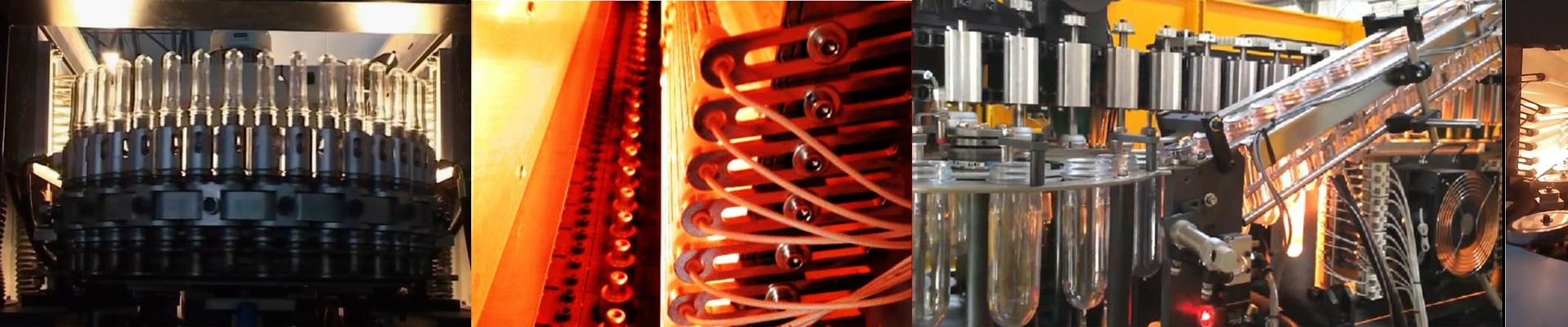
Let’s be honest: steam ovens are brutal on heating elements. You’ve got scorching heat on one hand and a constant blast of moisture on the other. Usually, that’s a recipe for disaster—either your tubes degrade way too fast or your temperatures start jumping all over the place. That’s why we do things differently with our single-tube infrared tech. We wanted something that actually holds its own when the steam hits. Dealing with the steam Most quartz tubes just can’t handle condensation; they crack or just stop working efficiently. We use a high-purity quartz glass that’s designed to expand and contract without freaking out. It means when you inject steam into a hot chamber, the tube doesn’t shatter from the shock. We also obsess over the filament. It’s centered perfectly. Why? Because if it shifts even a little, you get hot spots, and the whole tube burns out way before it should. Fast heat, better crust If you’re baking bread, you know the drill. You need that surface temperature to spike fast to get a great crust. Our tubes use short-wave radiation that hits the dough immediately. And because the quartz design is low-mass, it heats up in seconds. Not minutes. Seconds. You can flick the power on and off rapidly, and the tube keeps up without any annoying lag. A quick word on power and airflow Here’s the trade-off: high-wattage tubes give you the heat you need for a busy commercial kitchen, but they pull a lot of power. If you’re sliding a high-power tube into a tight space,**please check your ventilation.**If the air can’t move around the connectors, the ambient heat builds up. Before you know it, you’re melting wires or killing the life of your lamp. It’s a simple fix, but it’s a big deal. We designed these to be easy drop-in replacements for industrial ovens. They put out a steady wattage from one end to the other, so your loaves brown evenly across the whole tray. No pale edges, no burnt centers. Just good bread.