
Keeping the Heat in Your Combi-Oven
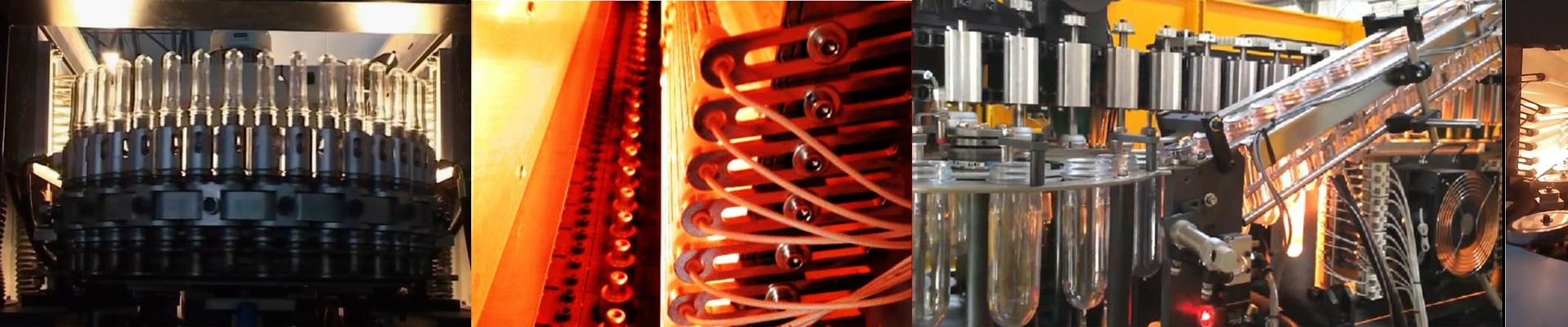
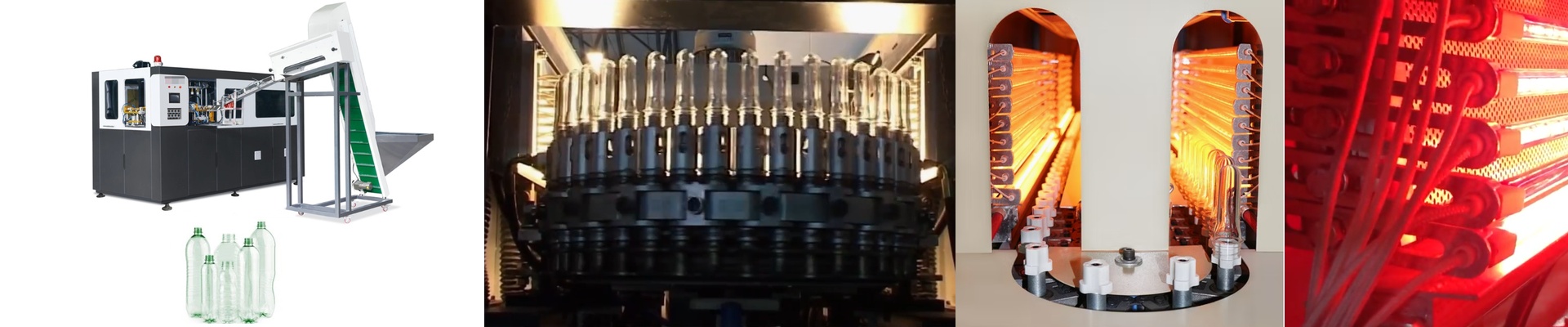
Anyone who’s spent time in a professional kitchen knows the frustration. You open the oven door to slide in a tray of cold proteins, and boom—all your heat vanishes. It’s a constant fight to keep those temperatures steady. To fix this, we use infrared heating lamps as a backup. Think of them as the “quick response team.” While the main heating bank does the heavy lifting, these lamps kick in instantly. They blast radiant heat straight onto the food’s surface, so you aren’t waiting on the steam generator to catch up. The secret is in the speed. We use specific tungsten filaments and super-pure quartz because they hit the right temperature in a few seconds. Since short-wave infrared goes straight into the food rather than trying to warm up every cubic inch of air in the oven, you get your heat back way faster. But you can’t just throw any lamp in there. Steam is brutal on hardware. If the glass isn’t tempered and high-purity, it clouds up or cracks from the thermal shock. We also beef up the seals at the connection points. If steam leaks into the electrical contacts, you’re looking at a bad day. One thing to keep an eye on: voltage spikes. If your power line jumps while a filament is already running hot, it’ll pop. We suggest using a solid-state relay (SSR) with PWM control. It stops that annoying “on-off” clicking cycle that usually burns out lamps way too early. A few warnings before you dive in. High-wattage lamps are great because they pack a ton of heat into a tiny space. But they’re thirsty for power. If you’re upgrading to a beefier lamp, please check your wire gauge. Undersized wires will literally overheat. And remember, these things radiate heat everywhere. Make sure your control electronics are shielded. You don’t want that heat drifting over to your PCB and frying your brain—or at least, the oven’s brain.