


Getting the Heat Right with Nichrome Infrared Tubes
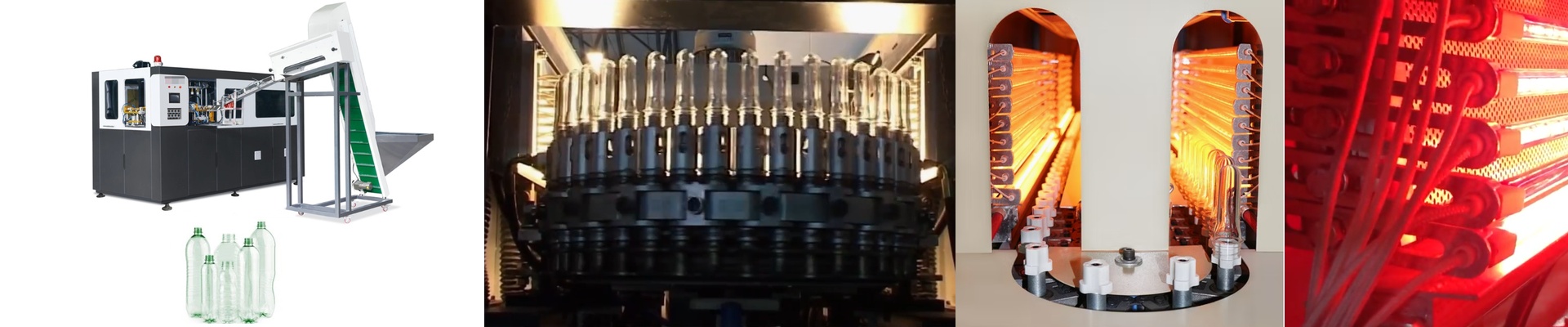
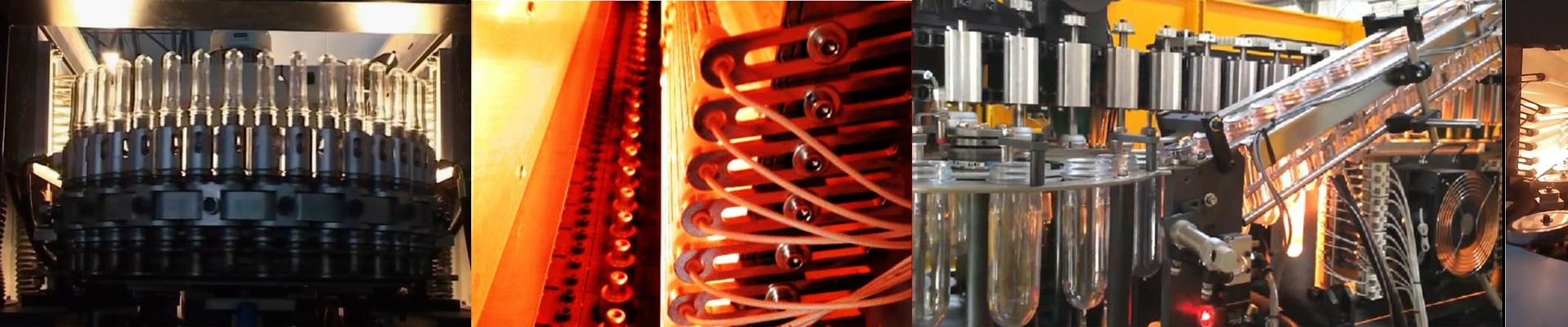
If you’ve ever spent time with deck ovens, you know it’s all about two things: keeping the heat steady and getting it back quickly after you open the door. That’s why we stick with Nichrome infrared tubes. Nichrome (which is just a fancy way of saying a Nickel-Chromium alloy) can handle the brutal heat of a commercial bakery without breaking down or rusting away. Instead of just heating up the air and hoping for the best, these tubes shoot short-wave infrared radiation straight into the dough. It’s direct. It’s efficient. It just works.
Why the “Small Stuff” Matters for Your Bread
If you’re just starting out, you’ve probably had a few batches go south. It’s frustrating. Often, it’s because of temperature swings. You look at your display and it says 220°C, but the actual stone might be jumping around by 15 degrees. That’s how you end up with a burnt crust and a raw center. It’s a nightmare. We pair high-density Nichrome elements with precision controllers to stop those swings. The tubes react almost instantly. So, when you slide in a cold tray of dough, the oven doesn’t panic—it just snaps back to the right temperature immediately.
The Trade-offs (The Honest Truth)
Here’s the thing about wattage and length: more power per centimeter means you can preheat the oven faster. It also means you won’t find those annoying “cold spots” in the corners where your loaves come out pale. But there’s a catch. High-wattage tubes put out a lot of intense, localized heat. If your oven has thin insulation or the vents aren’t quite right, you’re going to feel that heat on the outside of the chassis. It’s a balancing act. You have to make sure the oven can breathe and dissipate that heat, or you’re just cooking your kitchen.
Swapping and Cleaning
We didn’t want you spending your whole morning rewiring a deck just because one part quit. We made these as drop-in replacements. If a tube burns out, you just pull the old one and slide a new one in. Simple. One quick tip: keep your contact points clean. If oxidation builds up on the terminals, it creates resistance. That kills your temperature and messes up your timing. A little bit of cleaning goes a long way in keeping your bake consistent.