
Getting that Perfect Golden Brown with Ceramic Heaters
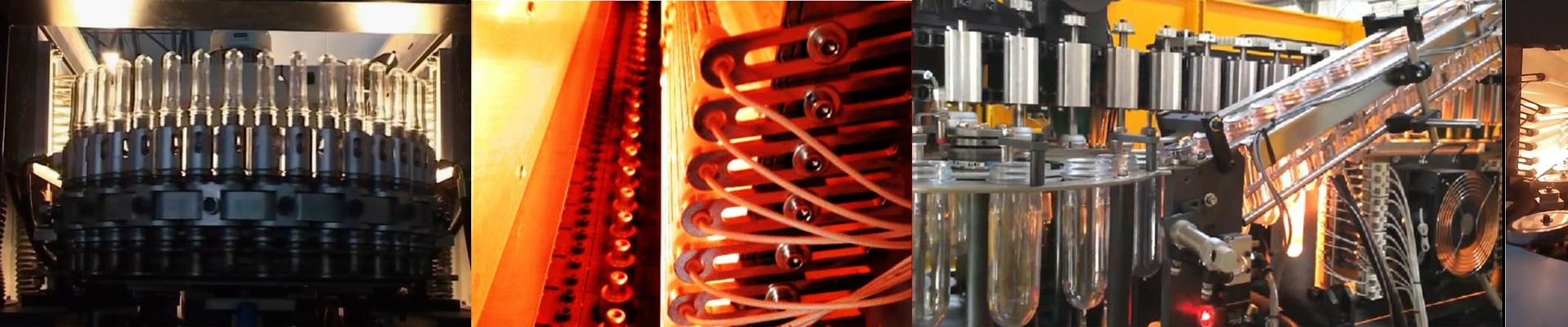
Ever notice the difference between a crust that’s actually burnt and one that’s that perfect, golden-brown? That’s the Maillard reaction at work. In a rotary oven, hitting that sweet spot is all about timing. If your heat lags by even a few seconds, you’ve missed your window, and your product just isn’t the same. Speed is everything. That’s why we use ceramic heaters. Traditional cast iron or heavy steel pipes just take too long to warm up or cool down—they’ve got too much “weight” to their heat. Ceramic is different. It’s snappy. When your controller notices the temperature dipping, the ceramic element kicks back in almost instantly. No more fighting those annoying “cold spots” in the rotating drum. You get a steady, honest heat across the whole surface, no matter how fast the drum is spinning. The nuts and bolts of the material We use high-purity alumina and specialized composites because they can handle the stress of heating up and cooling down over and over without cracking. But here’s the real secret: the way these elements emit infrared energy. Instead of just blowing hot air around (which is what standard convection does), this energy actually sinks deeper into the food. It’s a more aggressive, effective kind of heat. One thing to keep in mind, though: you can’t just crank the wattage indefinitely. If you push too much power into a tiny ceramic footprint, you’ll burn the element out. It’s a balancing act. We tune the load so you get that heavy-hitting sear without killing the hardware. Setting them up (and keeping them alive) Getting these into a rotary system is pretty straightforward—they’re basically drop-in replacements for most industrial setups. Just make sure you’re using high-temp lead wires and solid terminal blocks. These ovens vibrate a lot, and loose wires are a nightmare you don’t want. One last tip: remember that ceramic is brittle. It’s fast and powerful, but it doesn’t like being shaken. If your oven frame is shifting or rattling too much, you’re risking a crack in the array. Keep your mounts tight and use some dampening. Your equipment will thank you.