Why we put our bathroom heaters through the ringer
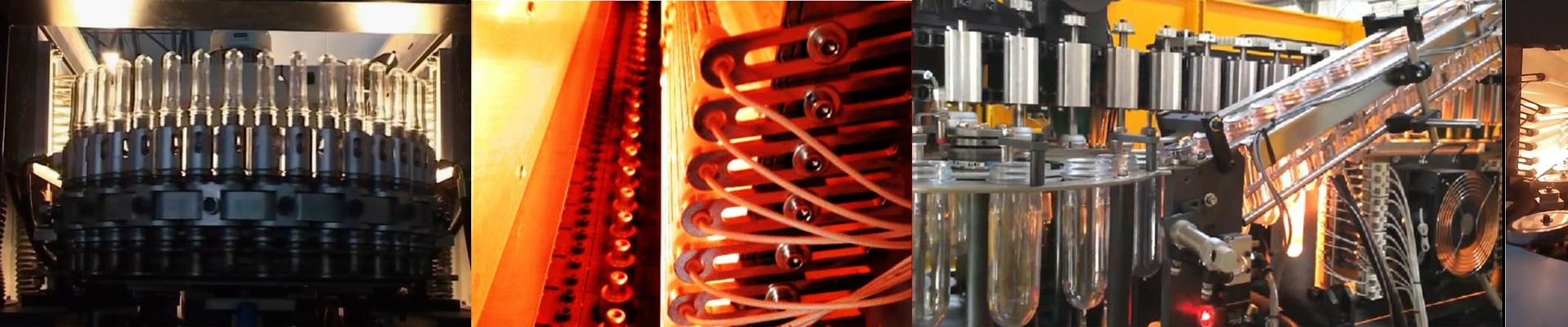
Let’s be honest: bathrooms are a nightmare for electronics. You’ve got thick steam, crazy temperature jumps, and humidity that basically clings to everything. It’s a brutal environment. That’s why we don’t just build our mirror infrared heaters and call it a day. We put every single batch through “damp-heat aging tests.” Basically, we try to break them in the lab so they don’t break in your ceiling. The problem with moisture Most of these heaters rely on a quartz tube with a halogen core. In a dry room? They’re great. But in a steamy bathroom, water vapor finds every tiny gap it can—seals, connectors, you name it. Once that moisture hits the electrodes or the reflector, things get messy. It causes oxidation, which messes with the electrical resistance. This creates “hotspots” on the tube. Eventually, the quartz just can’t take the stress and it cracks. How we test them To stop that from happening, we simulate years of bathroom use in a matter of days. We toss the lamps into a chamber, crank the humidity up to 95%, and swing the temperature back and forth. We’re looking for the weak spots. If a seal is going to fail, we want it to happen here, not at a customer’s house. We also keep a close eye on the mirror coating. If that coating peels or gets cloudy from the steam, the heat doesn’t push down toward you—it gets trapped inside the fixture and cooks the wiring. A quick heads-up on the “pop” To keep the moisture out, we use incredibly tight tolerances on the end-caps and some very specific gaskets. Because these seals are so tight, you might hear a little “pop” or a clicking sound when you first flip the switch. Don’t panic. It’s just the air inside reacting to the sudden heat. It’s actually a good sign—it means the seal is doing its job and holding its ground. A lamp can look perfect on a spec sheet and still die in six months if the seals aren’t right. We provide our test reports because we’d rather prove it works now than apologize for it later.