

Stop Building Heaters for Day One. Build Them for Year Five.
Most industrial heaters look great when they first roll off the line. But we care about how they feel five years down the road. Think about it. You’re in a splash-proof environment, a heating element burns out, and suddenly your production line is cold. The last thing you want is to spend your afternoon tearing apart a housing or fighting with a junction box just to get things moving again.
The Problem with “Sealed” Units
Here’s the thing about IPX4 ratings. To make sure water doesn’t get in from any direction, most companies just seal everything shut. It works, sure. But it turns the heater into a disposable brick. Once a tube fails, the whole assembly is basically scrap. We thought that was a waste of money and time, so we decided to separate the heating element from the splash-proof chassis.
Swapping Parts Without the Headache
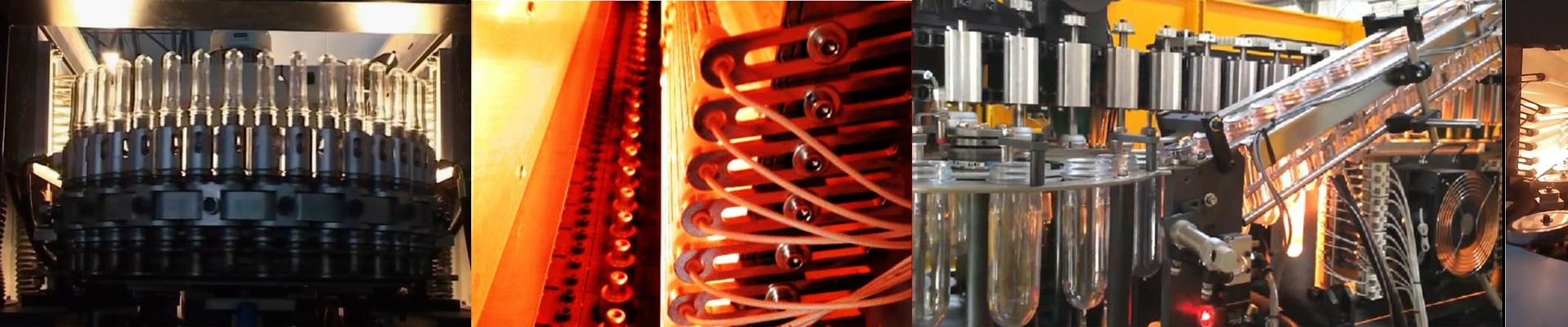
We went with a modular, drop-in system. Instead of hard-wiring those infrared tubes, we use standardized quick-connect terminals. So, when a tube finally gives up after years of heavy use, you don’t need a soldering iron or a drill. You just slide the module out, unplug it, and slot in a new one. It turns a maintenance window that used to take hours into something that takes a few minutes. No fighting with gaskets. No messing around with specialized sealants. Just a quick swap and you’re back in business.
The Honest Trade-offs
Now, look—nothing is perfect. A modular design means more connection points than a single, solid block of a heater. If your machinery vibrates a lot, those connections can get fatigued. To fix that, we added reinforced locking clips to keep everything seated tight, even when the machine is shaking. The only real catch? You have to make sure the outer housing stays tight during the swap. If you leave a panel loose, you lose that IPX4 protection. Keep the chassis sealed, and the modular guts will handle the rest.