Fixing Those Annoying Cold Spots: Why we use 300W IR Lamps
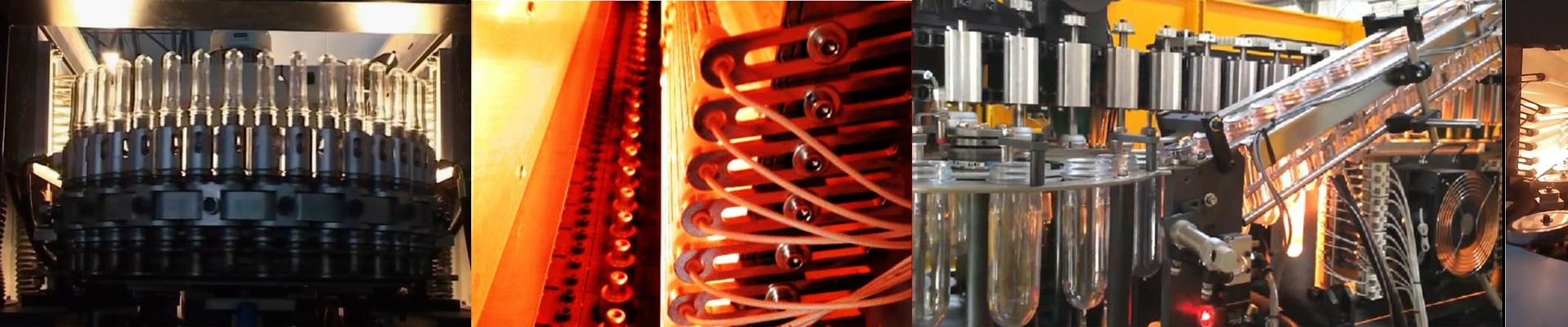
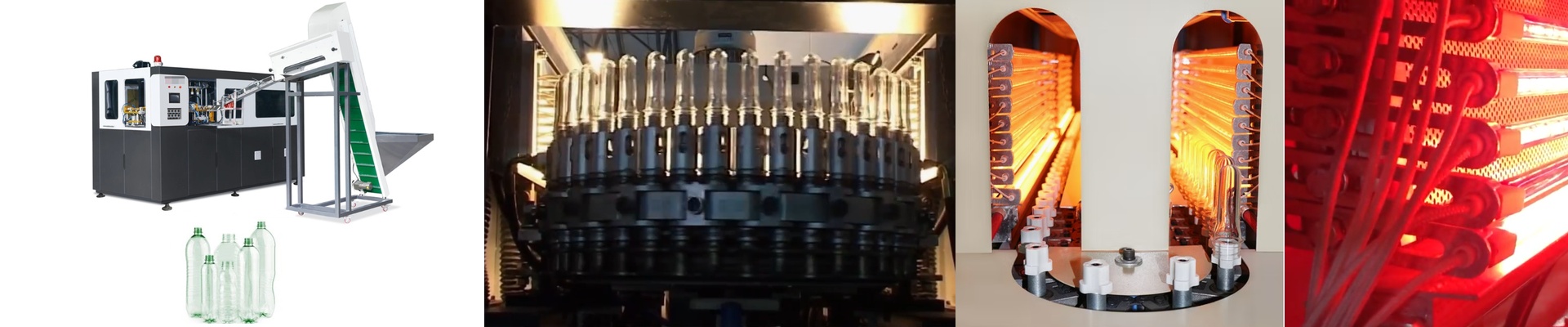
Ever pull a batch of parts out of a convection oven only to find a few of them didn’t heat through? It’s frustrating. You’ve got the fans blowing, but air is fickle. It leaves these “dead zones” where the heat just doesn’t reach, and that’s how you end up with scrapped parts and a headache. That’s why we bring in 300W infrared (IR) lamps. Instead of relying on air to carry the heat, IR works like the sun. It sends energy waves straight into the workpiece. No waiting for the breeze to hit the right spot. The “Sweet Spot” for Power You might wonder why exactly 300W. Well, it’s a balancing act. Go too high with the wattage, and you’ll scorch the surface of your materials. But at 300W, you get a steady, controllable heat that penetrates deep without burning things. It plays nice with the oven’s airflow, making sure the temperature is the same whether your part is in the center or tucked in a corner. Fast, Tough, and Responsive These lamps are made from high-purity quartz glass. Why? Because quartz doesn’t freak out when the temperature swings wildly. It won’t crack under pressure. But the real win is the speed. Traditional heating elements are slow—they take forever to warm up. These IR lamps? They hit your target temperature in seconds. If you hook them up to a PID controller, you can make adjustments almost instantly. No more lagging. A Few Things to Watch Out For Putting these into most industrial ovens is pretty simple. It’s mostly a drop-in job. But here is the catch: your reflectors have to be polished and lined up perfectly. If they’re dull or crooked, you’re basically throwing away 30% of your heat. Also, be careful where you place them. High-intensity IR is powerful. If they’re too close to the walls, they can melt plastic components or eat through gaskets. Just make sure your wiring and insulation are up to the task so you don’t fry your terminals.