
Introduction
Ever step into a glass-heavy loft or atrium and just shiver? You crank up the heat, but the warmth vanishes straight through the walls. It’s frustrating. So we built a heater that actually fights back. Instead of trying to warm the air—which just escapes—this one uses powerful infrared energy to heat up the stuff around you. The floors. The furniture. You. It puts the warmth where you feel it, and keeps things steady, even when the glass keeps stealing heat.
What Makes It So Quick? The Power Setup
At the heart of this thing is a high-density heating element built for speed. It gets hot, fast. To pull that off, we run it on a 400V high-voltage circuit. That lets us pack a ton of wattage into a small footprint. It also keeps the wiring manageable and cuts down on voltage drop over distance. In plain terms: you get serious heat without overloading your electrical system.
The Build: Halogen, Quartz, and Smart Details
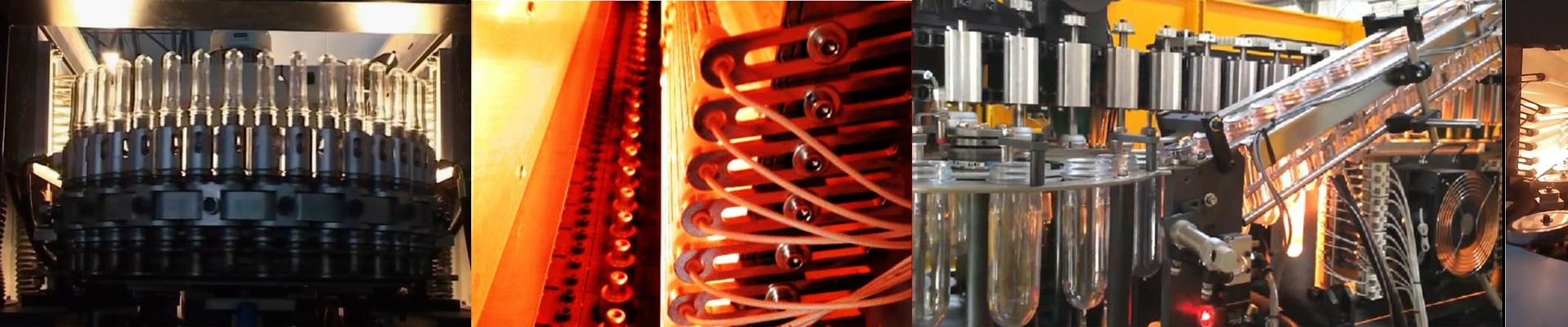
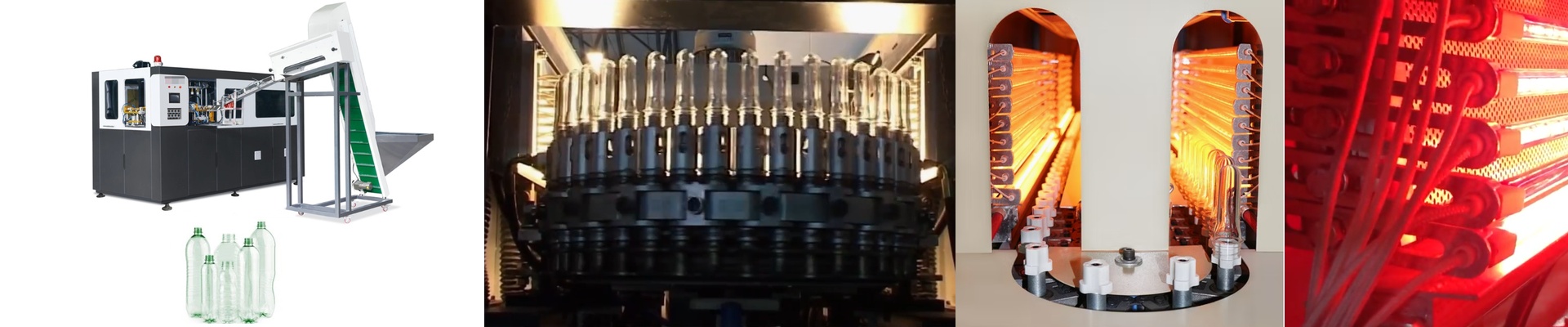
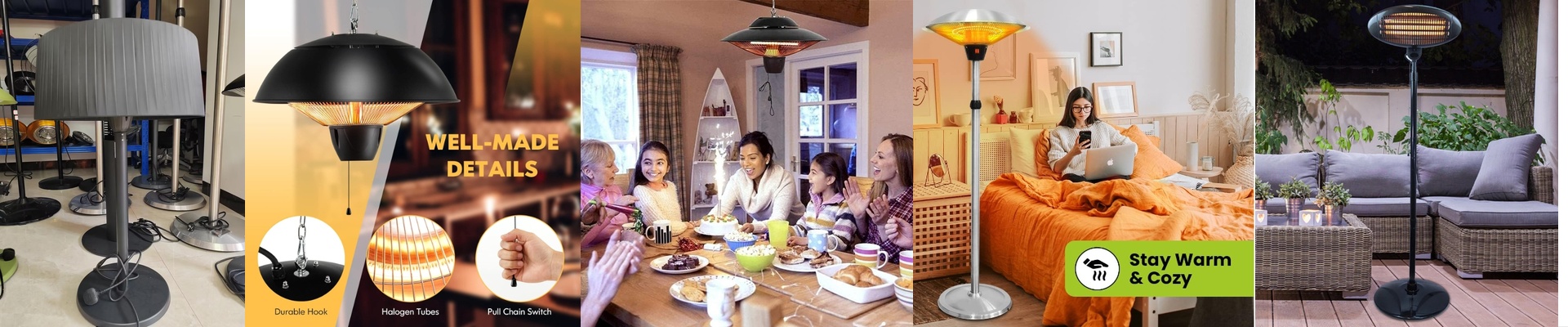
The heating element sits inside a quartz tube. Why quartz? Because it handles extreme heat swings without cracking. Inside the tube, a halogen gas does a quiet hero’s job—it shields the filament from oxidation, so the whole unit lasts longer. And that reflective coating on the tube? It’s not just for looks. It focuses the infrared energy into a tight beam, so you’re not wasting heat in all directions. Maintenance is simple, too. The R7s connector is a tough, two-pin ceramic base that can handle the high temps at the ends of the tube. When it’s time to swap the lamp, it’s a quick drop-in replacement.
Real-World Comfort in Lofts and Glass Spaces
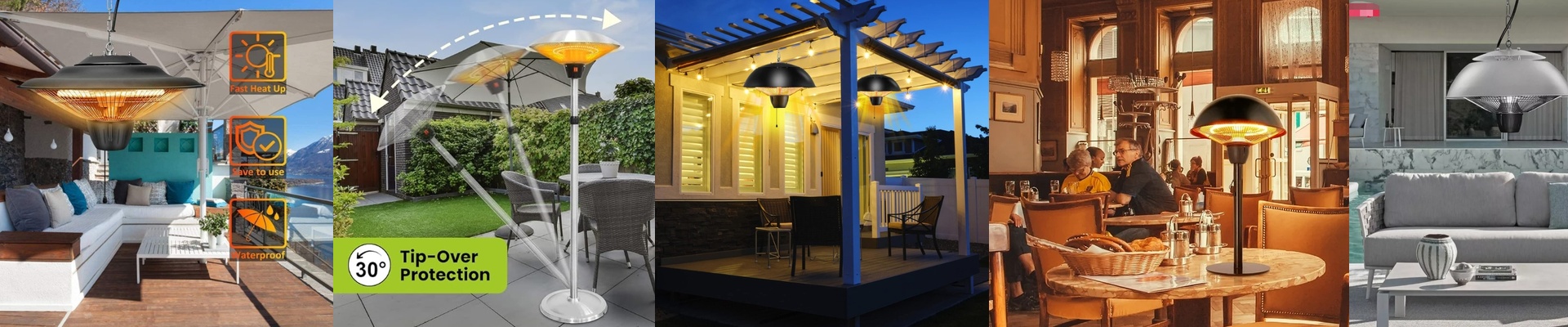
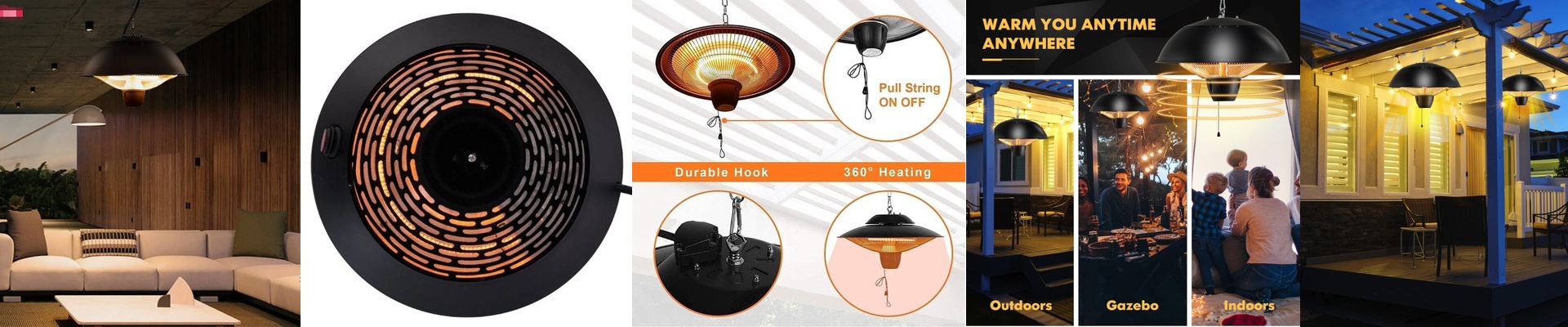
A loft with a glass roof is basically a heat magnet for cold. Conventional heaters fight a losing battle trying to warm air that immediately leaks out. This infrared heater cuts through that problem. It delivers energy that gets absorbed by floors, furniture, and people. No more chasing warmth that disappears. It locks into the thermal mass and keeps the temperature steady. A quick heads-up: because the heat is intense and focused, placement matters. You want to avoid overheating one spot. For installers, that means the setup is straightforward, with predictable output that works with the physics of glass—instead of losing to it.