Giving Your Old Bakery Oven a Second Life with Custom IR Heaters
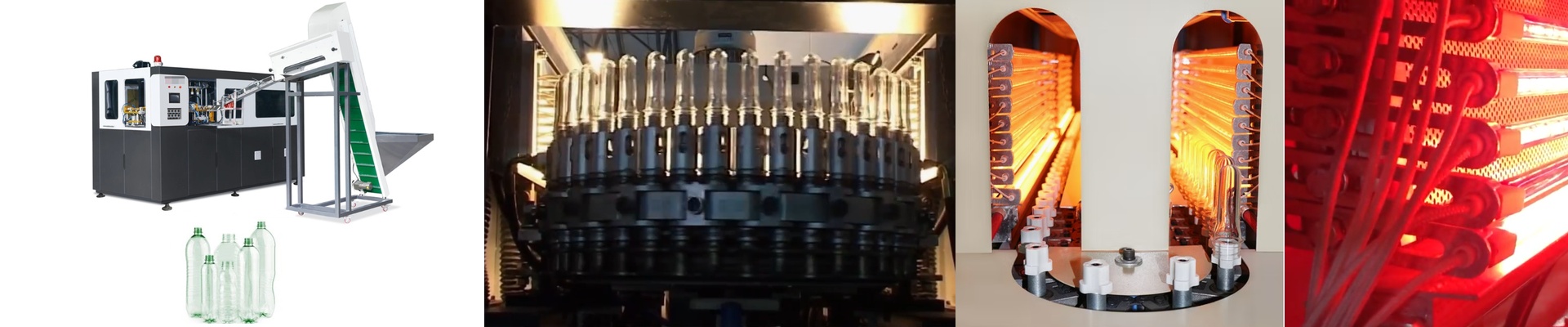
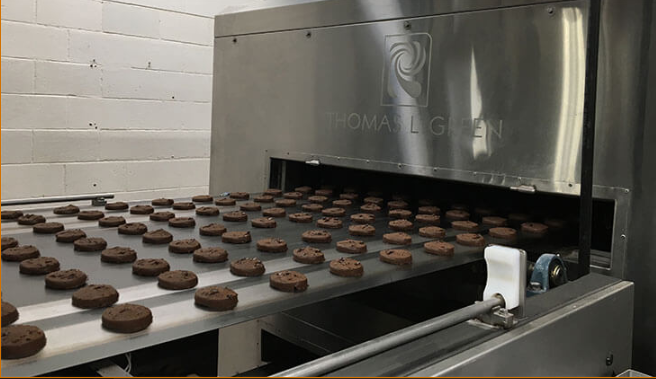
Let’s be honest: old bakery ovens can be a pain. You open the door, the heat vanishes, and suddenly you’re waiting forever for the oven to get back up to temperature. Or maybe you’ve got those annoying cold spots where half your batch is perfect and the other half is… not. Replacing the whole machine is expensive and a total headache. But there’s a much easier way to fix this. Switching to custom infrared (IR) lamps is basically a shortcut to getting your heat back under control. Getting the power right We don’t do “one size fits all” here. We build these IR tubes to fit whatever you’re already running, whether it’s a basic 220V setup or a heavy-duty industrial line. The trick is the wattage. If we put more power into a shorter tube, the heat hits your food almost instantly. It’s intense. Just a heads-up, though—make sure your wiring and controllers can handle the extra pull. You don’t want to be staring at a blown fuse in the middle of a rush. The nitty-gritty on materials Inside the tube, we use a tungsten filament wrapped in high-purity quartz glass. Depending on what you’re baking, you might want different types of heat. Short-wave IR is the way to go if you need the heat to soak deep into the food. If you’re just looking to keep the surface warm and crisp, medium-wave is your best bet. And don’t worry about the installation. We use standard connectors like R7s or SK15, so they usually just slide right in. Even if your old sockets are looking a bit rough, we can tweak the end-cap dimensions so you don’t have to tear apart your lamp housing. What to watch out for The best part? These lamps are “instant-on.” You stop waiting for the oven walls to soak up heat and just start cooking. It makes the whole workflow feel a lot smoother. But here’s the thing: these lamps put out a lot of concentrated heat. If you cram too many high-wattage tubes into a tiny space, you might actually warp the oven’s frame or fry a nearby sensor. Before you flip the switch on a new array, just take a quick look at your thermal shielding. It’s a small step that saves a big headache later.