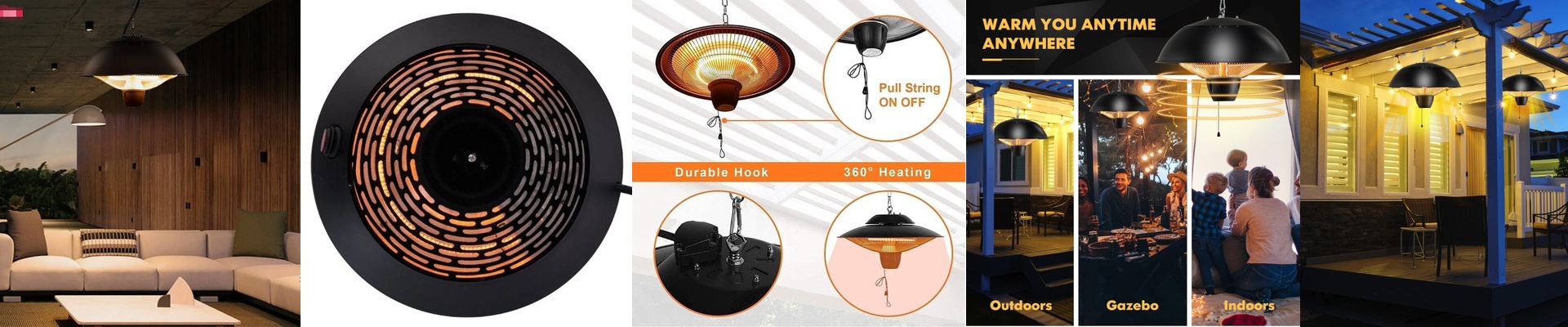
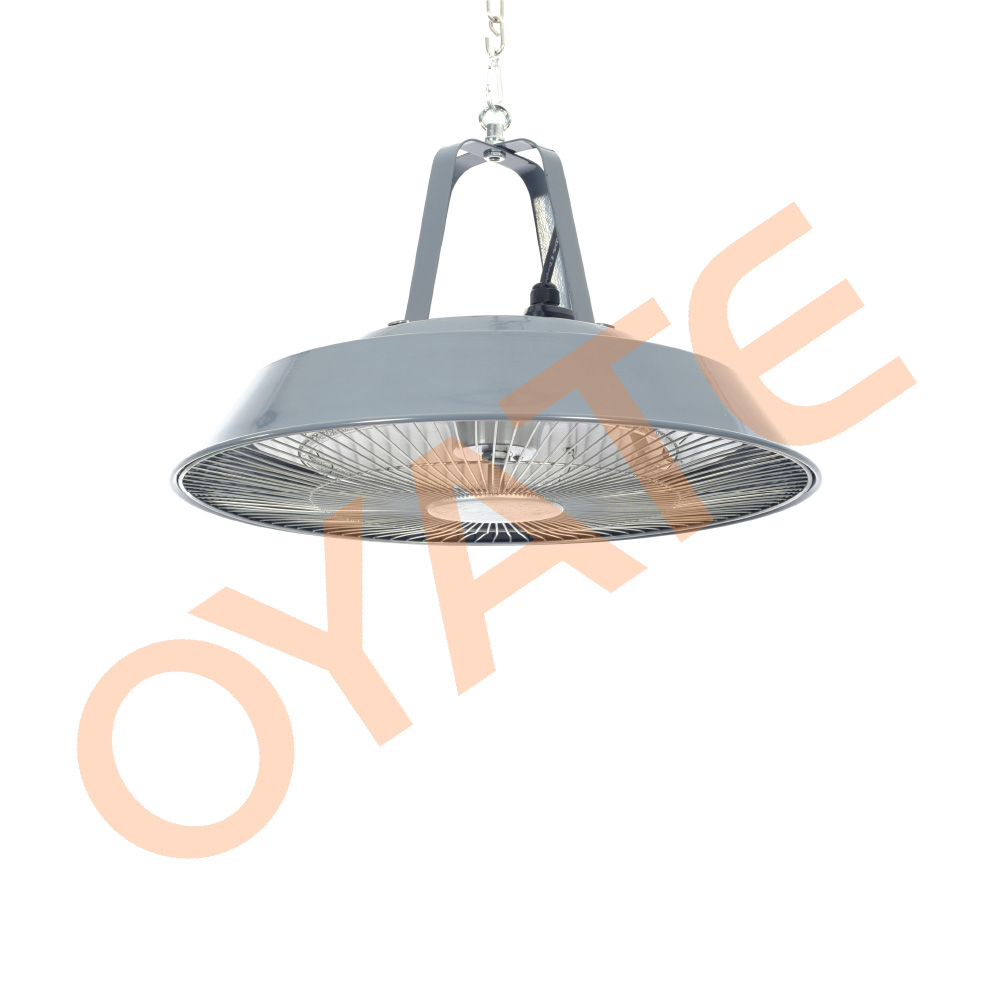
Cold floors and drafty corners have a way of making a room feel cavernous. You flip on a heater, then settle in for the wait. With an infrared room heater, warmth hits almost immediately—like a steady wave that starts at your skin and works outward. No long preheat. No stuffy, overworked air.
What actually matters, under the hood
Infrared room heaters run on radiant heat: the element gets hot and throws infrared energy in a straight line, warming people and objects directly. Most units lean on a carbon fiber element or a quartz tube, because they come up to temperature fast and hold output steady. A 1,200–1,500 W electric heater is the usual sweet spot for living rooms and bedrooms—enough punch to make a real difference without tripping a standard 120 V outlet. What you get isinstant warmth. You don’t have to heat the whole volume of air first; you feel the heat the moment it reaches you. That’s why the comfort feels more stable—less of that on/off swing that leaves you chilly between cycles.
Why it fits the way we live
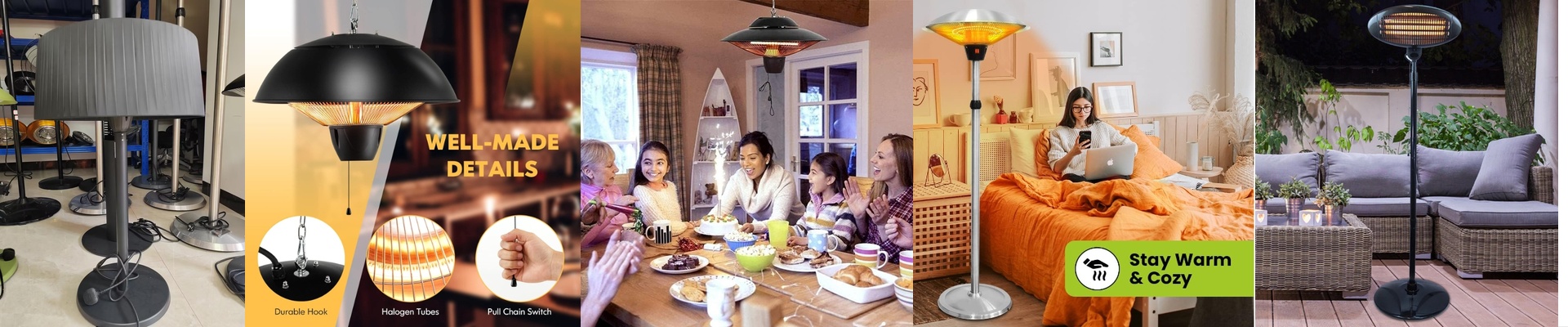
In a living room, bedroom, or study, the payoff is comfort on your schedule. Infrared warmth starts the second you switch the unit on, so you’re not planning around a long warm-up. Because the heat is directed where you are, you can keep the room air cooler and still feel cozy, which can help keep energy use in check. And beyond the numbers, radiant heat supports how your body experiences comfort: it takes the edge off the chill that settles into feet and shoulders, and many users find it adds a soothing quality that makes evenings feel easier.
The practical details that make it work
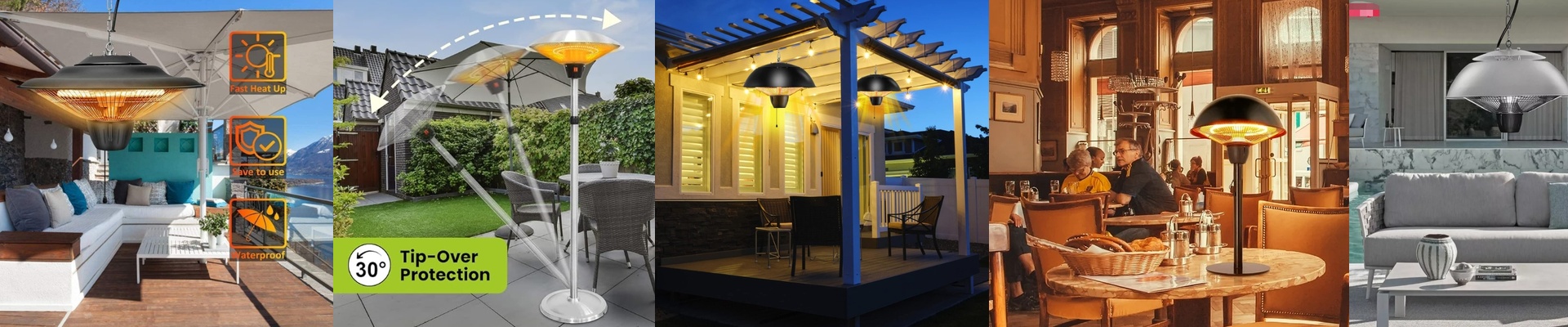
Infrared room heaters are straightforward, but placement matters. Keep the unit at least three feet from furniture, curtains, and other combustibles, and never block the front airflow. For safety, look for tip-over protection and an auto shutoff if the unit overheats. One thing to keep in mind: infrared heat is most effective at short range, so match the unit to the room size. For whole-home heating, think of it as targeted heat—best used where you need it, not as a primary system.