
Why Quartz is the Secret to Fast Sterilization
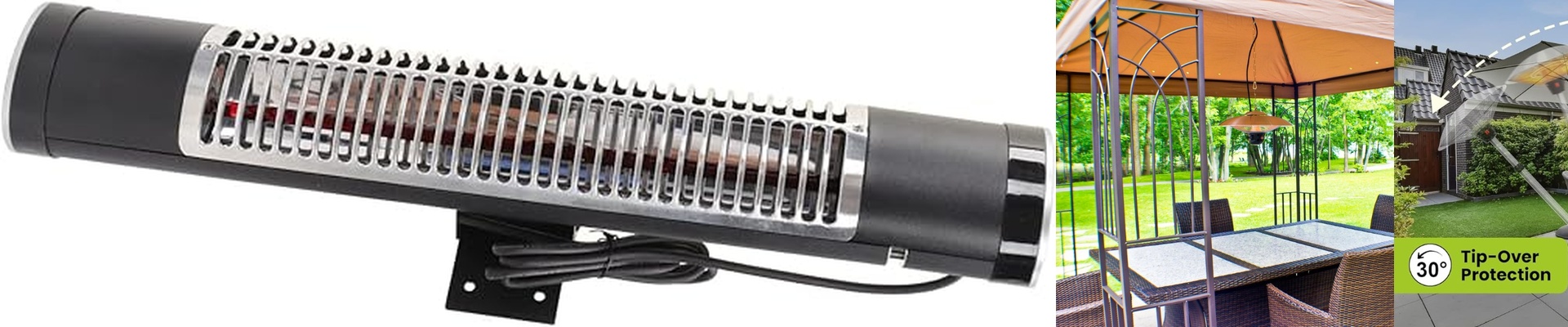
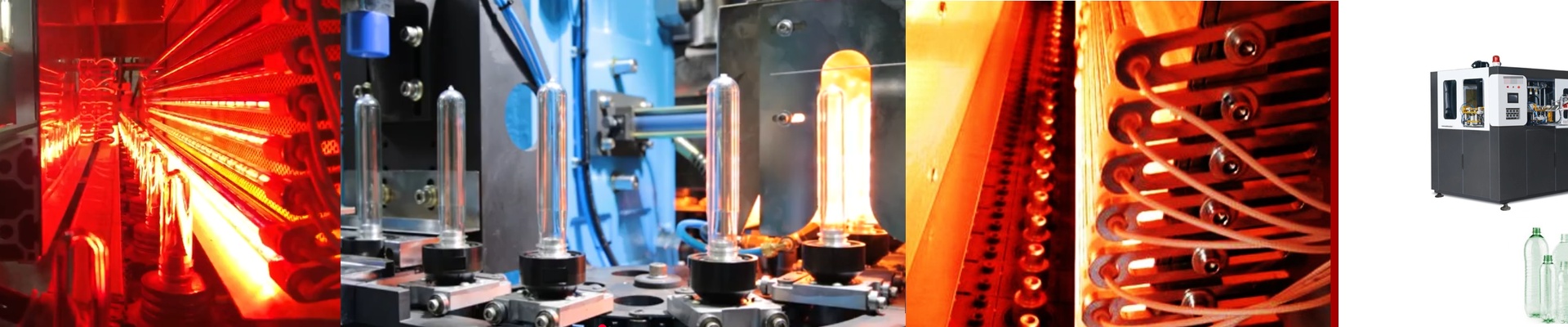
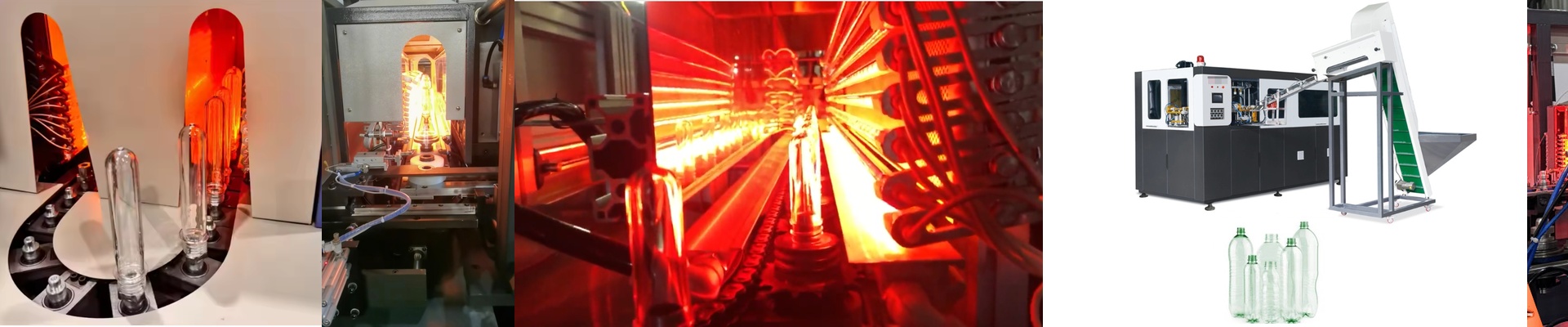
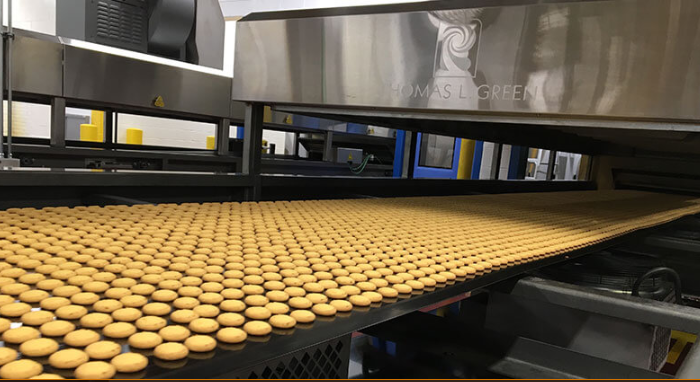
If you’re running bakery ovens or sterilization cabinets, you know the struggle. You can’t afford to sit around waiting for a giant hunk of metal to warm up. You need heat, and you need it now. That’s why we lean on linear quartz tubes. Instead of heating up a big metal mass and hoping the heat drifts over to your product, these tubes use infrared radiation. It’s like stepping into the sun—the energy hits the surface directly. No middleman.
Getting Up to Temp in Seconds
We talk a lot about “second-level response,” but in plain English, it just means the thing doesn’t lag. Standard heaters are slow. They take minutes to get going. Our quartz tubes use a tungsten filament wrapped in high-purity silica glass, designed to hit peak temperature almost the moment you flip the switch. You trigger the cycle, and boom—you’re at the kill-temperature before you’ve even finished your coffee.
The Nitty-Gritty on Materials
We use quartz because it’s tough. Not “drop it on the floor” tough, but “extreme temperature” tough. It can handle the shock of jumping from cold to scorching hot without cracking. We also make sure the glass stays crystal clear. If the glass gets cloudy, it absorbs the energy instead of letting it pass through. That defeats the whole purpose. One quick heads-up: watch your power density. Pushing a lot of wattage into a small space creates incredible heat, but it’s hard on your wiring. If you’re cranking the voltage to get that lightning-fast ramp-up, just double-check that your connectors can handle the current. You don’t want your terminals melting into a puddle.
Making it Work in Your Setup
These tubes are pretty easy to swap in. We keep the footprints small so they slide right into those tight cabinet gaps without a fight. But here’s the catch: quartz is fragile. It can handle the heat, but it hates being squeezed. Don’t mount them rigidly. Metal and glass expand at different rates when they get hot. If you bolt them down too tight, the tube will snap as it grows. Use spring-loaded clips instead. It gives the tube room to breathe, and it keeps your equipment from breaking the moment it gets warm.