Making Bathroom Heaters That Actually Make Sense
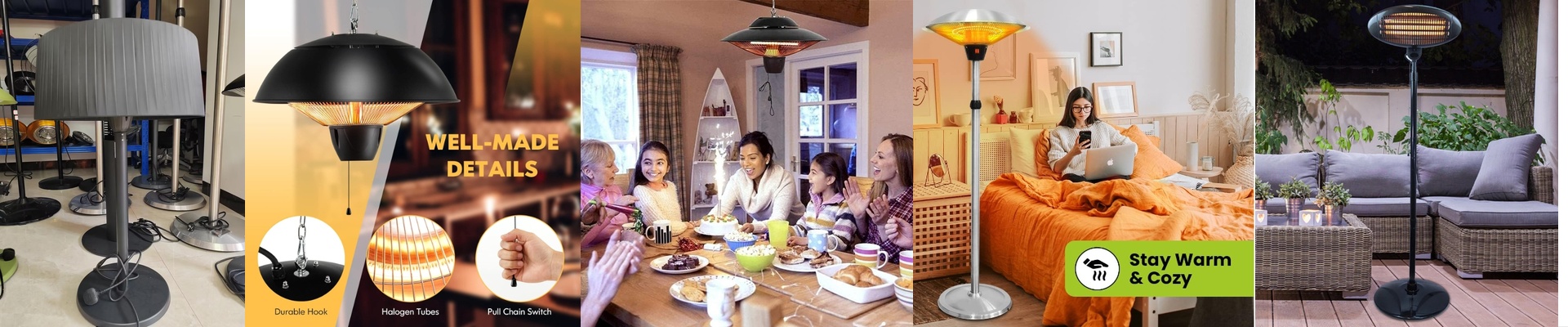
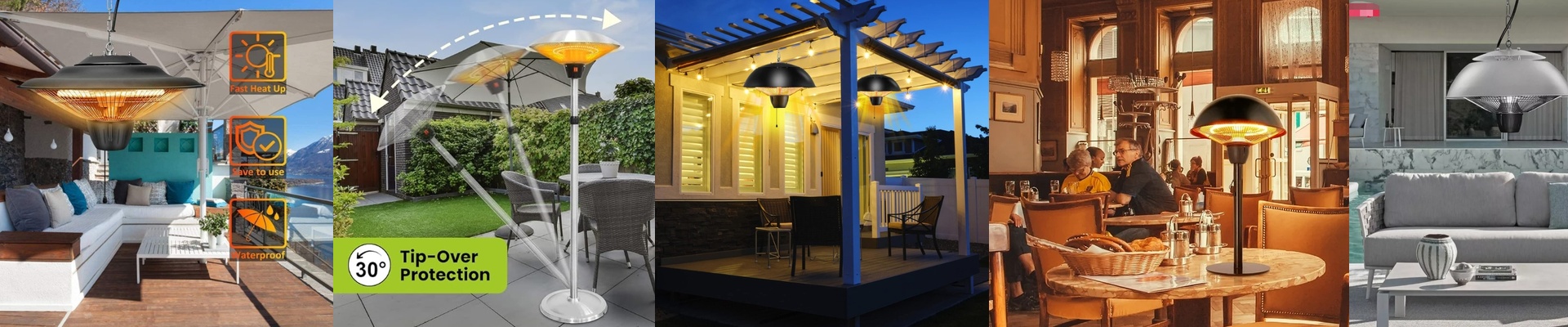
When we design our waterproof heaters for bathrooms and tables, we start with the IP55 standard. In plain English? It means the unit can handle a fair amount of dust and those annoying low-pressure water sprays without breaking a sweat. But here’s the real challenge: it’s not just about the water. It’s about the light. Most shortwave infrared lamps have this harsh, blinding glare. If you’ve ever looked at one, you know it’s a strain on the eyes. And for babies—whose eyes are still developing—that kind of light is just too much.
Softening the Glow
We didn’t want a heater that felt like a stadium floodlight in your bathroom. So, we tweaked the spectrum. By using specific quartz glass and internal coatings, we filter out those aggressive wavelengths. The result is a “soft light” feel. You still get that instant, cozy heat on your skin, but you aren’t squinting the whole time. Sure, filtering the light means we lose a tiny bit of raw power, but that’s a trade-off we’re happy to make. Safety and comfort win every time.
Keeping the Water Out
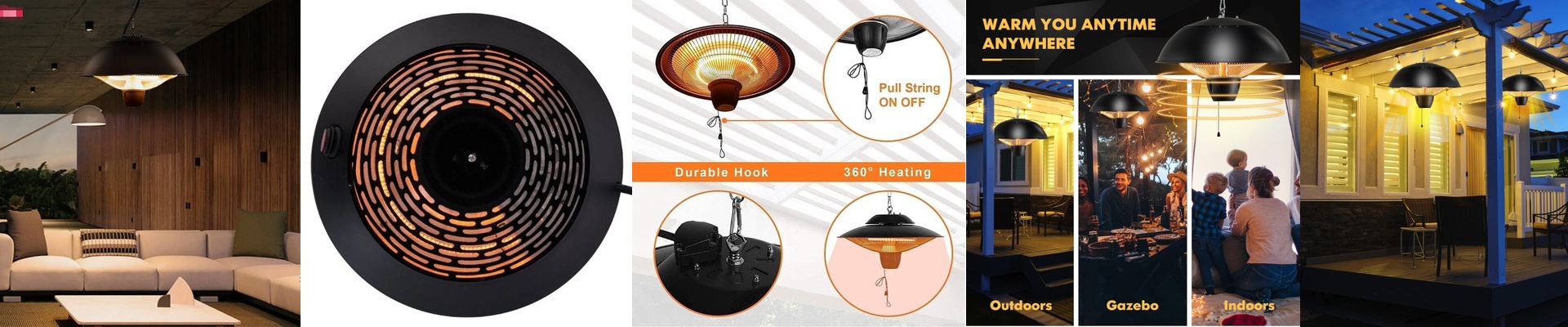
Water and electricity are a terrible mix. To keep things safe, we use high-temperature silicone gaskets to seal up all the wiring and heating elements. The housing is also shaped to shed water quickly so it doesn’t pool up. Since these usually go in tight spots—like a ceiling or a small wall—we use parabolic reflectors. These push the heat straight down where you need it, which also keeps the fixture itself from getting too hot.
A Few Tips for Installation
If you’re the one wiring these in, keep one thing in mind: the startup surge. These lamps pull a lot of current the second they click on. If your breakers are set too tight, you’re going to trip them on the first try. And please, use heat-resistant cabling for your permanent connections. It’s a small detail, but it stops the insulation from melting down over time. Better safe than sorry.