Cubicle Infrared Heaters: Warmth That Fights Mold, Naturally
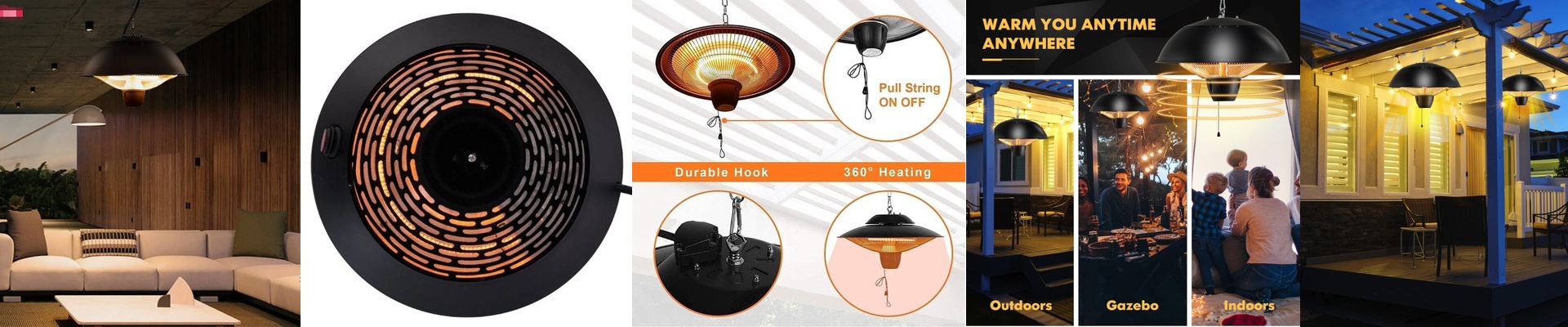
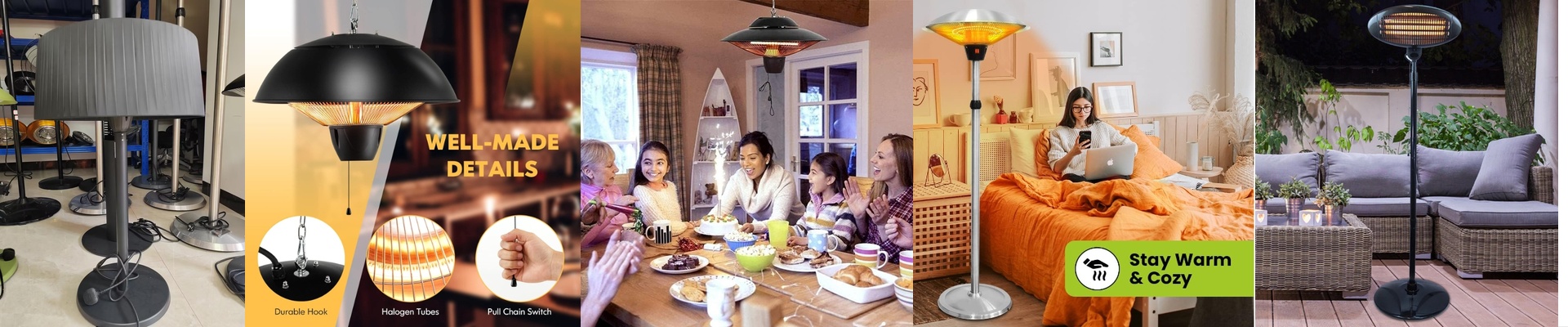
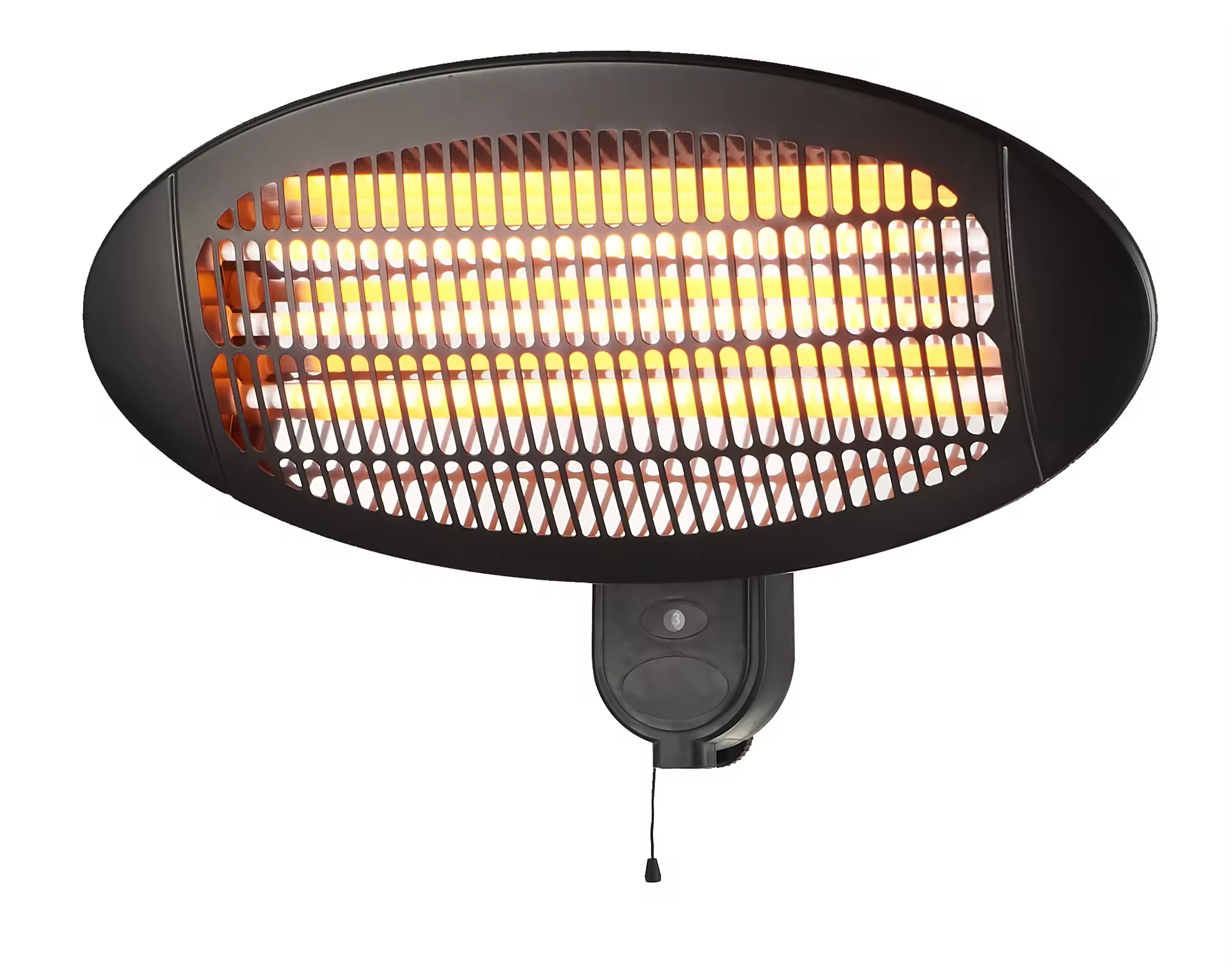
Let’s talk about a problem we’ve all seen: that damp, enclosed bathroom space. The kind where moisture lingers and cold surfaces turn into a mold breeding ground. We built our cubicle heaters to tackle exactly this. These aren’t just for warmth. Our infrared bathroom lamps use targeted spectrum technology to dry surfaces and keep biological growth at bay. And they do it fast—just what you need when you’re working in tight spaces.
Power, Voltage, and a Design That Makes Sense
Here’s the thing about these heaters: they pack a serious punch in a small footprint. A typical unit runs at 2500W, pulling from a 400V supply. That gives you intense infrared output without overloading the circuit, even when it’s running hard. The tube is around 300mm long, designed to slip right into standard cubicle setups. So you get full radiant coverage without having to redesign the whole enclosure. Why does this matter? Speed. You wire it up, flip the switch, and the walls, floors, and fixtures warm up almost immediately. That quick response cuts down the time the room lingers in the condensation zone—the exact spot where mold spores love to set up shop.
Built to Last: Quartz, Coating, and a Smart Connector
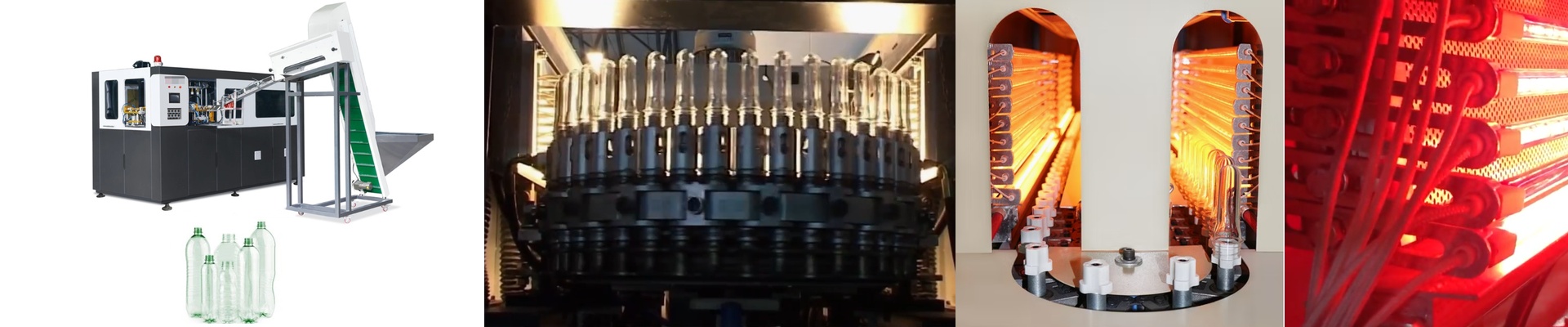
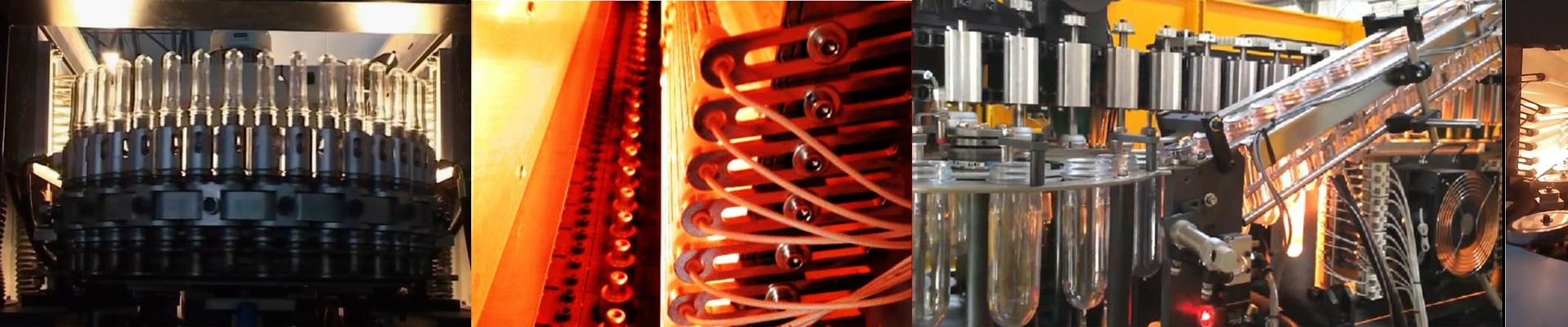
The heart of the unit is a quartz tube, built to handle rapid heating and cooling, and the intense internal temperatures. Inside, the halogen element delivers shortwave infrared energy. A reflective coating focuses that heat where you need it most. And that coating does more than direct heat. It keeps output steady along the whole tube, so you don’t get uneven hot and cold spots. Then there’s the R7s connector. It’s not an afterthought—it’s a key piece. It holds tight, stands up to high temperatures, and keeps everything aligned. Even with vibration and thermal expansion, it stays secure. In a wet environment, that kind of stability is just as important as electrical safety.
More Than Heat: It’s About Controlling Humidity
In a bathroom cubicle, comfort is one thing. But what really matters is controlling humidity at the surface level. Infrared heat dries walls and fixtures directly. That helps dehumidify the space by lowering local humidity and shortening the window when condensation can form. The result? A drier micro-environment that makes it much harder for mold to take hold. Now, a quick reality check: 2500W at 400V delivers serious heat. That means your enclosure’s ventilation and cooling need to be up to the task. If airflow is too low, heat builds up. So plan your heat path carefully. Otherwise, the lamp will do its job—and the surrounding components will feel the heat, too.